

 English
 中文简体
中文简体 русский
 Deutsch
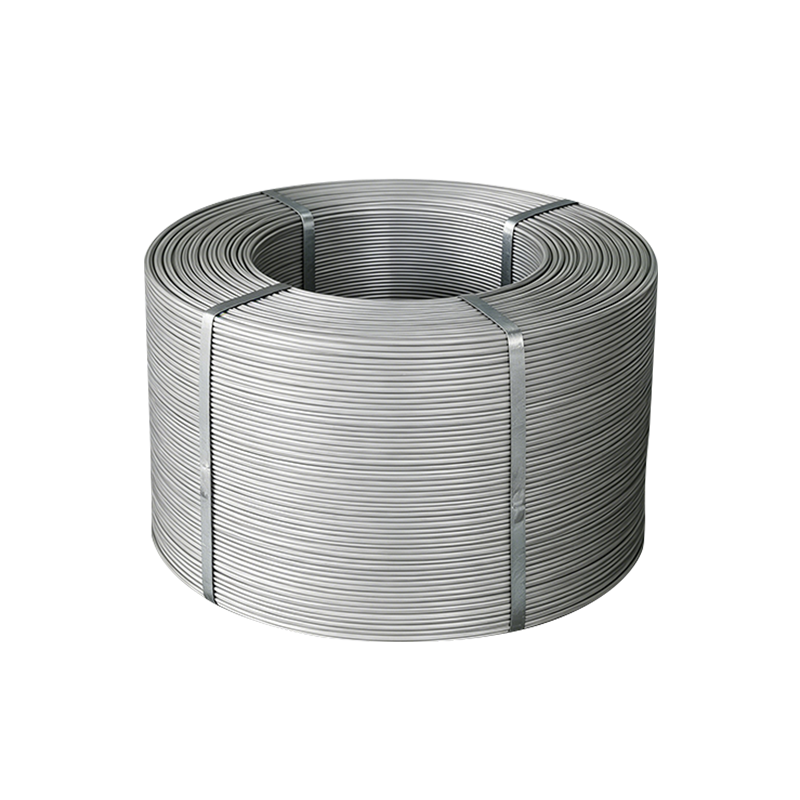
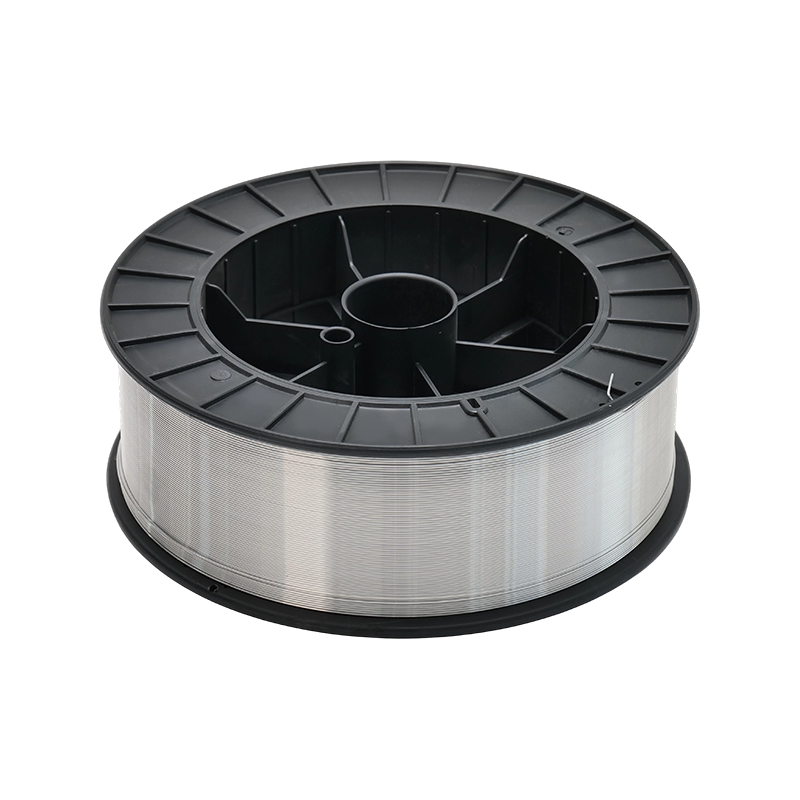
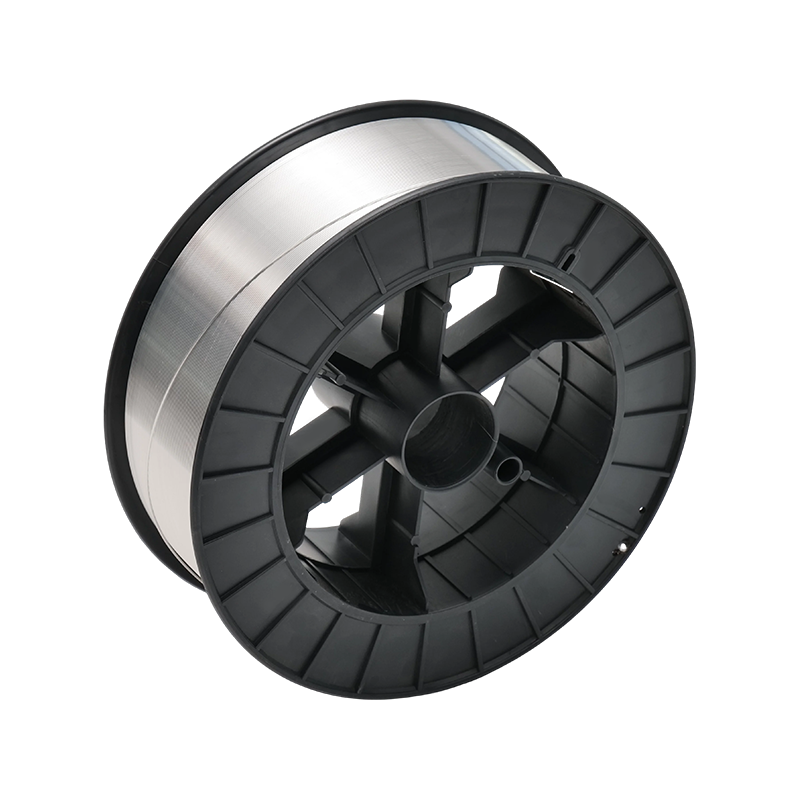
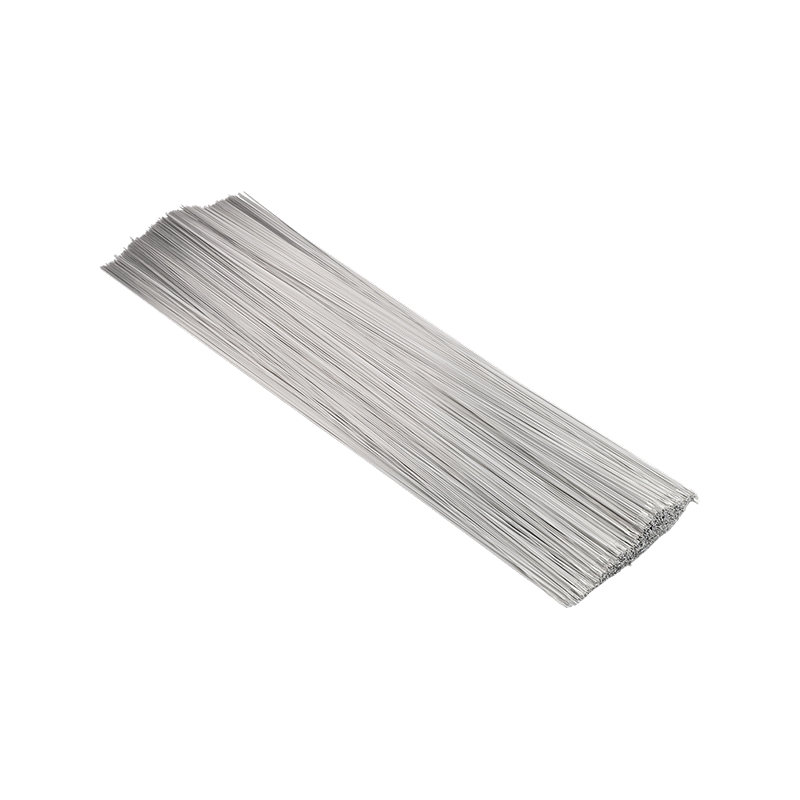
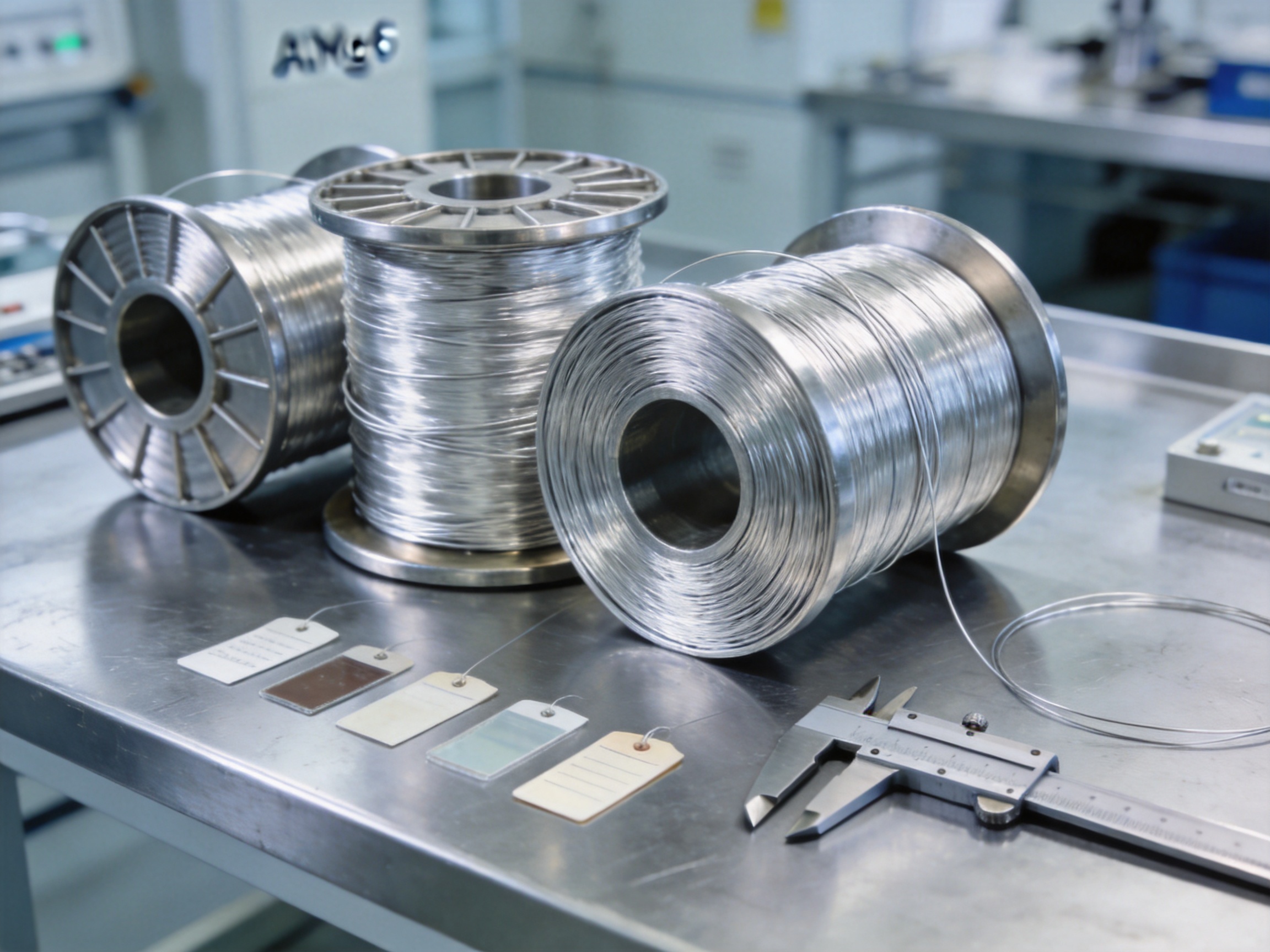
AlMg6 aluminum alloy wire is a high-strength aluminum-magnesium alloy wire designed for demanding applications where light weight, corrosion resistance, weldability, and mechanical reliability must work together. As industries continue to reduce structural weight while maintaining safety and service life, aluminum alloy wire has become an essential material for aerospace, aviation, shipbuilding, military equipment, automotive manufacturing, tanks, pressure-related structures, precision components, and high-performance welded assemblies. Within this field, AlMg6 occupies an important position because its magnesium-rich composition gives it a strong balance of strength, toughness, resistance to exfoliation corrosion, and practical fabrication performance.
In modern engineering, a material is rarely selected for only one property. Designers and purchasing teams need a wire that can support repeatable production, stable welding behavior, reliable chemical composition, and consistent performance after forming or joining. AlMg6 aluminum alloy wire answers these needs with a composition centered on aluminum as the base element and magnesium as the principal strengthening element. The alloy also includes controlled levels of manganese, titanium, beryllium, silicon, iron, copper, zinc, and other elements, allowing the wire to achieve a useful combination of corrosion resistance, weldability, and structural capability.
Jiangsu Hetuo Aluminum Wire Co., Ltd. produces AlMg6 aluminum alloy wire as part of its high-strength aluminum alloy wire product range. The company is located in the Guannan Economic Development Zone, Lianyungang City, Jiangsu Province, China, and operates an intelligent manufacturing system covering high-purity aluminum wire, high-strength aluminum alloy wire, and aluminum and aluminum alloy welding materials. With a factory area of 40,000 square meters, advanced equipment, professional management and technical staff, ISO 9001 certification, and IATF 16949 quality management certification, the company is positioned to serve global industries that require dependable aluminum alloy wire solutions.
Content
- 1 Material Overview: What Makes AlMg6 Aluminum Alloy Wire Distinctive
- 2 Chemical Composition and Functional Role of Each Element
- 3 Key Advantages Over Conventional and Competing Aluminum Alloy Wires
- 4 Applications in Aviation and Aerospace
- 5 Applications in Ships and Marine Engineering
- 6 Applications in Military Equipment, Vehicles, and Tanks
- 7 Advanced Manufacturing Processes Behind Reliable AlMg6 Wire
- 8 Company Strengths Supporting Product Reliability
- 9 Why Process Control Matters More for AlMg6 Than for Ordinary Aluminum Wire
- 10 Comparison with Other High-Strength Aluminum Alloy Wire Grades
- 11 Lightweighting and Sustainability Benefits
- 12 Quality Inspection and Customer Assurance
- 13 Selection Guidance for Buyers and Engineers
- 14 Q&A: Practical Questions About AlMg6 Aluminum Alloy Wire
- 14.1 What is AlMg6 aluminum alloy wire?
- 14.2 What are the main advantages of AlMg6?
- 14.3 How does AlMg6 compare with pure aluminum wire?
- 14.4 Why is magnesium important in this alloy?
- 14.5 Is AlMg6 suitable for marine applications?
- 14.6 Why does weldability matter for AlMg6 users?
- 14.7 What role does the manufacturer’s quality system play?
- 14.8 Can AlMg6 reduce product weight?
- 14.9 What industries commonly use AlMg6 aluminum alloy wire?
- 14.10 What should buyers specify when ordering?
- 15 Conclusion
- 16 References
Material Overview: What Makes AlMg6 Aluminum Alloy Wire Distinctive
AlMg6 belongs to the family of aluminum-magnesium alloy wires. The “Mg6” designation reflects its relatively high magnesium content compared with many conventional aluminum alloy wires. In the supplied specification, magnesium is controlled at 5.8% to 6.8%, which is a key reason for the alloy’s high-strength characteristics. Magnesium strengthens aluminum through solid-solution strengthening, improving the ability of the material to resist deformation while preserving the low-density advantage of aluminum. This makes AlMg6 attractive for structures and components where weight reduction is directly linked to performance, fuel efficiency, operational range, and handling convenience.
Compared with general-purpose aluminum wires, AlMg6 is not merely a conductive or forming material. It is a structural alloy wire developed for applications where mechanical strength and corrosion resistance are important. Its combination of magnesium and manganese contributes to improved performance in marine and industrial atmospheres, while titanium helps refine grain structure and supports process stability. The presence of very low copper content is also important because excessive copper can reduce corrosion resistance in aluminum-magnesium alloys. AlMg6 keeps copper at a low level, helping the alloy maintain better resistance in aggressive environments.
Another major feature of AlMg6 is its weldability. Aluminum alloys used in aviation, ships, vehicles, and military equipment often require reliable welding behavior. A wire that is difficult to weld, causes unstable arcs, or produces inconsistent joints can increase production costs and safety risks. AlMg6 is valued because it can be used in welded structures while retaining useful mechanical properties and corrosion resistance. Its welding performance supports the production of large assemblies and complex components where joining quality is essential.
The alloy is also known for good resistance to exfoliation corrosion. Exfoliation corrosion is a form of layered corrosion that can occur in certain aluminum alloys, especially in highly stressed or rolled products exposed to corrosive environments. In critical sectors such as aircraft, ships, military vehicles, and transportation equipment, corrosion is not merely a cosmetic issue; it can influence structural integrity and maintenance cost. AlMg6’s corrosion-resistant characteristics help extend service life and reduce the burden of frequent inspection or premature replacement.
Chemical Composition and Functional Role of Each Element
The performance of AlMg6 aluminum alloy wire begins with chemical composition control. Minor differences in elemental content can change strength, ductility, surface quality, corrosion behavior, weldability, and consistency during wire drawing. For this reason, advanced aluminum wire manufacturing requires precise raw material selection, melting control, alloying practice, casting quality, and inspection throughout production. The following composition reflects the AlMg6 product information supplied.
| Element | Specified Content | Functional Contribution |
| Silicon | Maximum 0.40% | Controlled at a moderate level to support processability while avoiding excessive brittle phases. |
| Iron | Maximum 0.40% | Limited to reduce harmful intermetallic effects and support stable wire quality. |
| Copper | Maximum 0.10% | Kept low to help maintain corrosion resistance in aluminum-magnesium alloy systems. |
| Manganese | 0.5% to 0.8% | Improves strength, structural stability, and corrosion-related performance. |
| Magnesium | 5.8% to 6.8% | Main strengthening element, providing high strength and good lightweight performance. |
| Zinc | Maximum 0.20% | Controlled to maintain alloy balance and corrosion resistance. |
| Titanium | 0.1% to 0.2% | Supports grain refinement and stable casting or wire processing behavior. |
| Beryllium | 0.002% to 0.005% | Present in very small controlled quantities for metallurgical effect under professional manufacturing management. |
| Aluminum | Remainder | Base metal providing low density, corrosion resistance, and excellent workability. |
Magnesium is the central strengthening element in AlMg6. At 5.8% to 6.8%, magnesium provides a stronger material than lower-magnesium aluminum alloy wires such as AlMg3 or some general-purpose welding wires. This high magnesium level improves strength while preserving a good strength-to-weight ratio. In applications such as aerospace structures, marine components, vehicle assemblies, and military equipment, higher strength at lower weight is a practical advantage because it allows engineers to reduce mass without sacrificing performance.
Manganese, at 0.5% to 0.8%, contributes to improved structural behavior. It helps control microstructure and can improve resistance to certain corrosion mechanisms. Manganese also supports the alloy’s mechanical stability and complements magnesium strengthening. Titanium, at 0.1% to 0.2%, is often associated with grain refinement. A refined grain structure is valuable because it improves uniformity, supports wire drawing, and contributes to stable mechanical performance. When a wire has a more consistent internal structure, it is less likely to break during processing and more likely to deliver repeatable results during customer use.
Silicon, iron, copper, and zinc are controlled at relatively low maximum levels. These elements can be useful in some aluminum alloys, but in AlMg6 they must be carefully limited to preserve corrosion resistance, weldability, and ductility. High iron or silicon can create intermetallic compounds that may reduce ductility or affect surface quality. Excessive copper can reduce corrosion resistance. The disciplined control of these elements is one of the differences between professionally manufactured high-strength aluminum alloy wire and ordinary wire products that may show greater batch variation.
Key Advantages Over Conventional and Competing Aluminum Alloy Wires
AlMg6 aluminum alloy wire offers several advantages over many conventional aluminum wire products. The first advantage is its strength level. Pure aluminum wire and high-purity aluminum wire are useful for conductivity, forming, and certain specialized applications, but they cannot provide the same structural strength as a magnesium-rich alloy wire. AlMg6 is designed for applications where the wire or welded structure must resist load, vibration, and environmental stress. Its higher magnesium content provides a stronger metallurgical foundation than low-alloy aluminum wires.
The second advantage is corrosion resistance, particularly in harsh service environments. Many industrial users operate in humid, marine, or chemically active atmospheres. In shipbuilding, offshore equipment, military vehicles, and transportation structures, corrosion can become one of the primary causes of long-term maintenance cost. AlMg6’s aluminum-magnesium chemistry is suitable for applications requiring good corrosion resistance, and the product information specifically highlights good exfoliation corrosion resistance. This is a valuable advantage compared with materials that may be strong but require heavier protective treatments or more frequent maintenance.
The third advantage is weldability. Some high-strength aluminum alloys can be difficult to weld or may suffer from reduced joint performance after welding. AlMg6 provides a more practical balance for manufacturers that must join components efficiently. Its weldability allows it to be used in applications that involve fabrication, repair, and assembly, making it suitable not only as a wire product but also as part of a larger welding-material solution. For industries such as shipbuilding, aviation, vehicles, and military equipment, this combination of strength and weldability is especially important.
The fourth advantage is weight efficiency. Steel and other high-strength metals may offer excellent strength, but their density is significantly higher than aluminum. AlMg6 supports lighter structures without sacrificing the functional strength needed in many applications. Weight savings can improve fuel economy in automobiles, extend range in aerospace and defense systems, reduce handling effort in manufacturing, and lower transport costs. In sectors pursuing energy savings and lower emissions, the lightweight advantage of aluminum alloy wire has become increasingly strategic.
The fifth advantage is production consistency when manufactured by a capable supplier. A high-performance alloy is only as good as the manufacturing system behind it. Jiangsu Hetuo Aluminum Wire Co., Ltd. implements quality inspection throughout production and has obtained ISO 9001 and IATF 16949 quality management certifications. This creates an important competitive advantage over suppliers that may have less advanced equipment, weaker inspection systems, or limited experience in high-grade aluminum alloy wire. For buyers, consistent quality reduces trial costs, production interruptions, welding defects, and uncertainty in engineering use.
Applications in Aviation and Aerospace
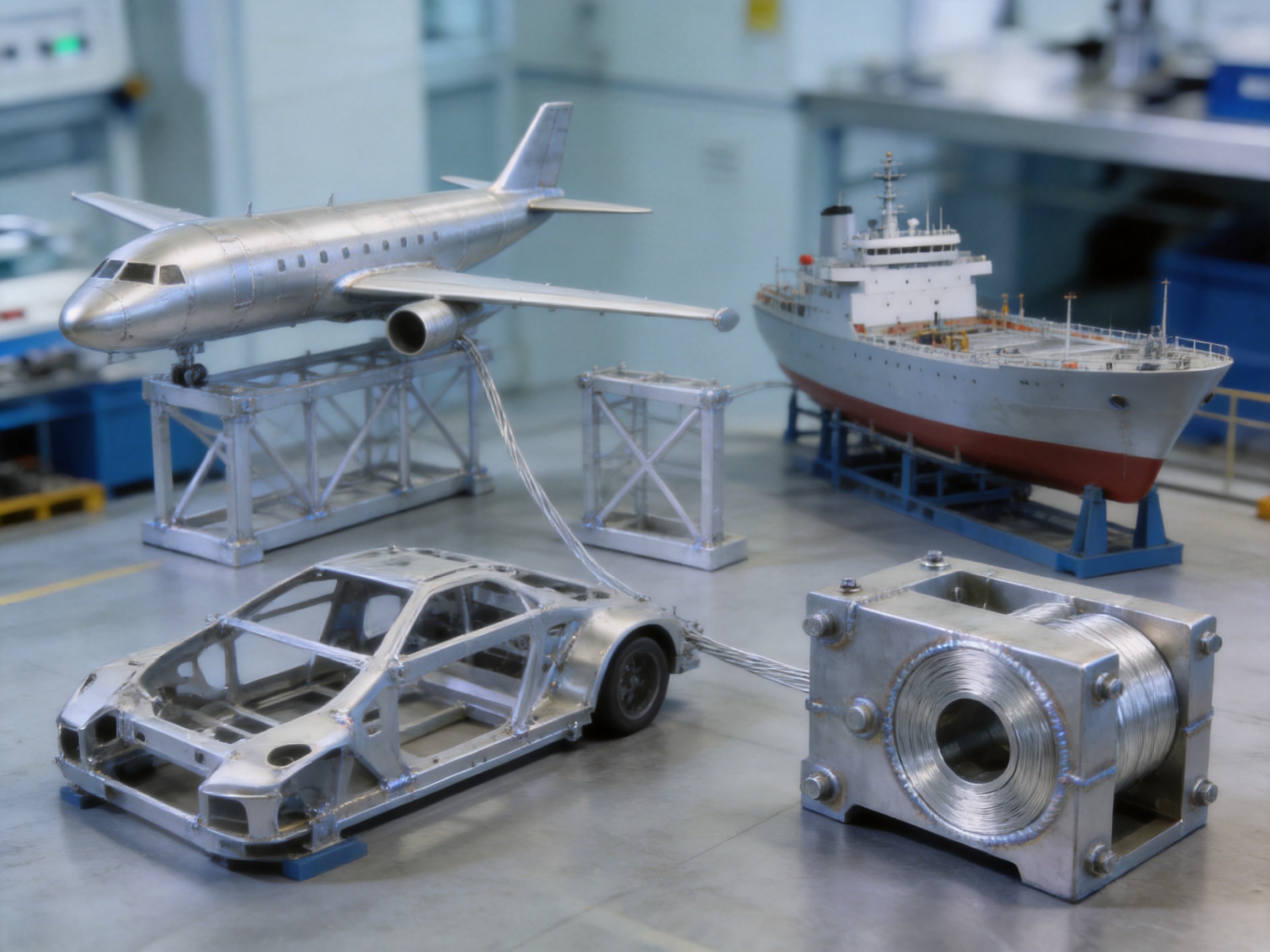
Aviation and aerospace applications demand materials that are light, reliable, and resistant to environmental stress. AlMg6 aluminum alloy wire is well suited to this demand because it combines high strength with low density and corrosion resistance. In aircraft-related structures, every kilogram matters. Reducing weight can improve fuel efficiency, payload capacity, flight range, and operational economy. Aluminum alloys have long been used in aircraft because they provide an effective balance between strength and weight, and AlMg6 fits this tradition by offering a magnesium-strengthened option for wire and welded applications.
In aerospace environments, material failure is unacceptable. Components may be exposed to vibration, temperature changes, stress cycling, and corrosive conditions. Wire products used in such applications must therefore be manufactured with careful composition control and consistent mechanical quality. AlMg6’s controlled levels of magnesium, manganese, titanium, and impurity elements help support reliable performance. The material’s good weldability also matters because many aerospace and aviation components involve complex assemblies that require high-quality joints.
For aerospace manufacturers and suppliers, quality management is as important as material chemistry. The presence of ISO 9001 and IATF 16949 certifications indicates that the producer operates with structured quality systems, process control, documentation, and continuous improvement. Although aerospace customers may require additional application-specific qualifications, a strong quality management foundation is essential for becoming a reliable material partner. AlMg6 aluminum alloy wire from an advanced manufacturing environment can support customers seeking a stable supply of high-strength aluminum alloy wire for demanding technical programs.
Applications in Ships and Marine Engineering
Marine environments are among the most challenging settings for structural materials. Saltwater, humidity, temperature variation, and mechanical loading can accelerate corrosion and fatigue. In shipbuilding and marine engineering, aluminum-magnesium alloys are highly valued because they offer good corrosion resistance and lower weight than steel. AlMg6 aluminum alloy wire is especially relevant because its high magnesium content contributes to strength while its composition supports resistance to corrosion, including exfoliation corrosion.
Ships and marine structures benefit from lighter materials in several ways. Reduced structural weight can improve fuel efficiency, increase carrying capacity, and simplify installation. Lighter welded assemblies are easier to handle during construction and repair. When used in suitable applications, aluminum alloy materials can also reduce maintenance burdens by resisting corrosion more effectively than some alternatives. AlMg6’s weldability adds another important advantage because shipbuilding depends heavily on welding processes. A wire that supports stable welded joints can improve productivity and reduce rework.
Compared with ordinary aluminum wire or lower-strength alloy wire, AlMg6 provides a more capable option for marine applications where strength cannot be ignored. Lower-strength wires may be easier to process, but they may not meet the mechanical demands of marine components. Higher-strength but less corrosion-resistant materials may require additional coatings or protection. AlMg6 offers a balanced solution by combining strength, corrosion resistance, and welding suitability in one material system.
Applications in Military Equipment, Vehicles, and Tanks
Military equipment requires materials that can perform under difficult conditions. Vehicles, tanks, special-purpose platforms, and defense-related structures may face vibration, impact, outdoor exposure, moisture, and long service cycles. AlMg6 aluminum alloy wire is suitable for such fields because it provides high strength, lightweight performance, and corrosion resistance. In military systems, lowering weight can improve mobility, transportability, fuel efficiency, and payload flexibility. At the same time, the material must remain dependable in demanding service environments.
AlMg6 is particularly useful where welded aluminum alloy assemblies are required. Military vehicles and specialized structures often involve complex parts, reinforcement sections, and repairable assemblies. A wire with good weldability helps production teams achieve stronger and more consistent joints. It also supports maintenance operations where damaged structures must be repaired efficiently. The corrosion resistance of AlMg6 further supports long-term readiness because equipment may be stored or operated in humid, marine, desert, or industrial atmospheres.
In automotive and tank-related applications, the balance of strength and weight is equally important. Modern vehicles increasingly use lightweight materials to improve energy efficiency and performance. Aluminum alloy wire can contribute to lighter structures, components, and welded assemblies. Compared with heavier materials, AlMg6 helps reduce mass while maintaining the mechanical properties required for structural reliability. Compared with less controlled aluminum wire, professionally manufactured AlMg6 provides better confidence in batch-to-batch performance.
Advanced Manufacturing Processes Behind Reliable AlMg6 Wire
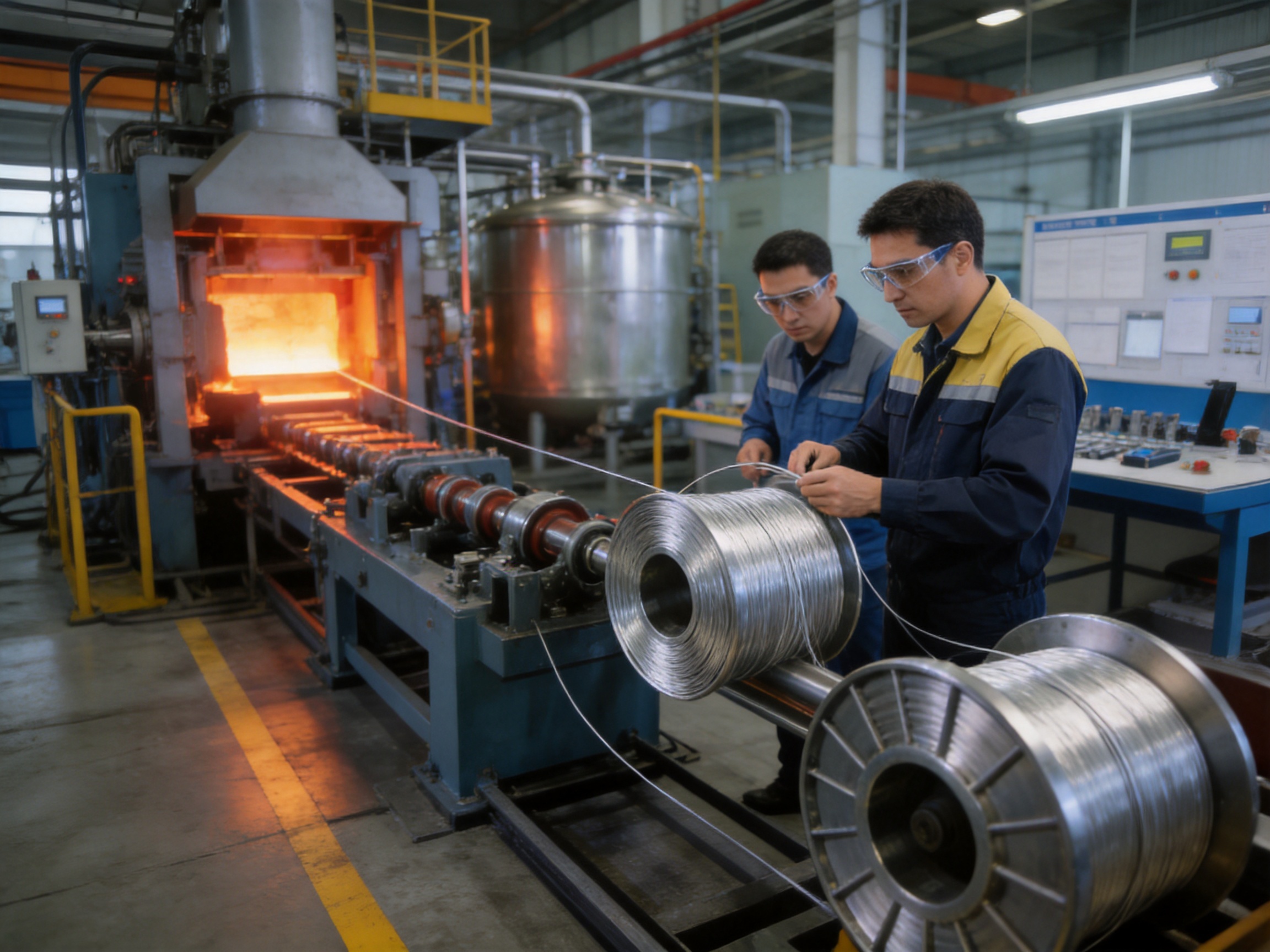
Producing high-strength aluminum alloy wire requires more than melting aluminum and drawing it into wire. The process begins with raw material selection and composition planning. Aluminum, magnesium, manganese, titanium, and other elements must be introduced in controlled quantities. Because magnesium is highly active during melting and can be affected by oxidation and burning loss, precise process management is required to maintain the specified 5.8% to 6.8% range. Low levels of impurities such as copper, iron, silicon, and zinc must also be monitored carefully.
After alloying, the molten metal must be treated to improve cleanliness and reduce defects. In aluminum alloy wire production, inclusions, gas porosity, and uneven chemistry can lead to wire breakage, poor surface quality, unstable welding behavior, or reduced mechanical properties. Advanced equipment and strict quality inspection help control these risks. The company’s intelligent manufacturing system supports the production of high-purity aluminum wire, high-strength aluminum alloy wire, and welding materials, giving it integrated process knowledge across related aluminum wire categories.
Casting or rod preparation is another critical step. The wire drawing process depends on the quality of the starting rod. If the rod has segregation, cracks, coarse grains, or surface defects, those defects may be carried forward or amplified during drawing. Titanium grain refinement and proper thermal processing help create a more uniform microstructure. A uniform rod supports smoother drawing, fewer breaks, better dimensional consistency, and more predictable final properties.
Wire drawing reduces the diameter of the rod through a series of dies. During this process, the material undergoes plastic deformation, which changes its mechanical behavior and surface condition. For high-magnesium aluminum alloys, drawing conditions must be carefully controlled because the material is stronger than pure aluminum and may require optimized lubrication, die design, reduction schedules, and intermediate treatment. Proper control ensures that the wire achieves the desired diameter, roundness, surface quality, and mechanical performance.
Heat treatment or stress relief may be used according to product requirements and customer application needs. Although AlMg6 is primarily strengthened by magnesium in solid solution rather than by typical heat-treatable precipitation systems, thermal management remains important for balancing strength, ductility, and processability. Controlled thermal cycles can reduce internal stress, improve handling behavior, and support stable customer use. The details depend on wire size, end application, and required delivery condition.
Surface quality inspection is essential for aluminum alloy wire. Surface scratches, oxide defects, contamination, or uneven finish can affect welding behavior and customer processing. A high-quality AlMg6 wire should have stable surface condition, consistent diameter, and packaging that protects it during transportation and storage. Quality inspection throughout production helps ensure that the delivered wire performs consistently in demanding industrial environments.
Company Strengths Supporting Product Reliability
Jiangsu Hetuo Aluminum Wire Co., Ltd. was established in 2019 as an innovative enterprise in China’s aluminum alloy materials industry. The company is guided by customer needs and committed to customer satisfaction, which is important in a market where users often require customized specifications, stable delivery, technical communication, and strict quality assurance. Its manufacturing system covers high-purity aluminum wire, high-strength aluminum alloy wire, and aluminum and aluminum alloy welding materials, allowing it to serve multiple industrial sectors with related product families.
The company’s factory covers 40,000 square meters and employs 60 people, including 30 professional managers and technicians. This combination of production scale and technical staffing provides the foundation for controlled manufacturing. In high-strength aluminum alloy wire production, skilled technicians are necessary for composition control, process adjustment, inspection, problem solving, and continuous improvement. Professional management supports planning, delivery, traceability, and customer communication.
Advanced equipment and facilities are another strength. Aluminum alloy wire production requires equipment capable of precise melting, alloying, forming, drawing, inspection, and packaging. Modern equipment improves repeatability and reduces the risk of variation between batches. When combined with strict inspection at each stage, advanced equipment helps turn metallurgical design into reliable industrial product performance. This is one of the major advantages of purchasing from a specialized aluminum alloy wire manufacturer rather than a supplier with limited process control.
Quality system certification adds further confidence. ISO 9001 demonstrates that the company maintains a quality management system based on documented procedures, process control, corrective action, and customer-focused improvement. IATF 16949 is particularly relevant to automotive-related supply chains, where defect prevention, traceability, and process discipline are critical. For customers in automotive, vehicle, and advanced manufacturing sectors, this certification background can reduce supplier qualification risk and support long-term cooperation.
The company’s products comply with international quality standards and are exported to many high-end overseas markets. This international orientation reflects the importance of consistent product quality and reliable service. Global customers often compare materials from multiple countries and suppliers. A supplier that can provide stable composition, reliable performance, quality documentation, and responsive technical communication has a competitive advantage. For AlMg6 aluminum alloy wire, this means users can expect not only material supply but also a manufacturing partner capable of supporting demanding applications.
Why Process Control Matters More for AlMg6 Than for Ordinary Aluminum Wire
AlMg6 contains a higher magnesium content than many common aluminum alloy wires. This gives the alloy strength, but it also increases the need for precise manufacturing control. Magnesium can influence oxidation behavior, melting practice, surface condition, and drawing performance. If the composition is not properly controlled, the wire may vary in strength, ductility, or corrosion resistance. If the melting and casting process is not clean, inclusions or defects may reduce reliability. If drawing parameters are not optimized, wire breakage or surface defects may occur.
For customers, these details are not abstract technical issues. They directly affect production efficiency, welding quality, inspection results, and final product service life. A low-cost wire with poor consistency may seem attractive during purchase, but it can become expensive if it causes downtime, rework, rejected parts, or field failures. AlMg6 from a manufacturer with strict inspection and advanced equipment provides a more reliable value proposition. The advantage is not only in the chemistry of the alloy, but also in the disciplined process that turns that chemistry into usable wire.
Consistent diameter is another important aspect of wire quality. In welding and automated feeding systems, dimensional variation can cause unstable feeding, arc fluctuation, poor bead shape, and production interruptions. In precision forming or component manufacturing, diameter consistency affects fit, mechanical response, and process repeatability. Professional wire drawing and inspection help ensure that the wire meets customer requirements for dimensional accuracy.
Packaging and storage protection also matter. Aluminum alloy wire surfaces can be affected by contamination, moisture, or mechanical damage during handling. Proper packaging helps maintain surface cleanliness and prevents damage before use. For international shipments and high-end markets, reliable packaging is part of product quality. A capable manufacturer considers the complete route from melting to customer production line, not only the wire leaving the drawing machine.
Comparison with Other High-Strength Aluminum Alloy Wire Grades
The broader high-strength aluminum alloy wire category includes grades such as 2A10, 2219, 4043, 4047, 5183, 5154, 5356, AlMg3, AlMg5, AlMg61, 7050, and 7075. Each alloy has its own design purpose. Silicon-rich alloys such as 4043 and 4047 are often associated with welding and brazing applications where fluidity and crack resistance are important. Aluminum-magnesium alloys such as 5183, 5356, AlMg5, and AlMg6 emphasize strength, corrosion resistance, and marine or structural suitability. High-zinc and high-copper alloys such as 7050 and 7075 can provide very high strength but may require more specialized processing and may not always offer the same welding practicality.
AlMg6 is attractive because it offers a strong aluminum-magnesium option with magnesium content higher than AlMg5 and many common 5xxx-type wires. Compared with AlMg3, AlMg6 provides greater strengthening potential due to its higher magnesium range. Compared with some welding-focused silicon alloys, AlMg6 offers a different performance profile centered on structural strength and corrosion resistance. Compared with very high-strength 7xxx-type alloys, AlMg6 may provide more favorable weldability and corrosion balance for many practical applications.
This does not mean AlMg6 is the best material for every use. Material selection should always consider base material, required strength, corrosion environment, welding process, design standard, and customer specification. However, for users seeking a high-strength aluminum-magnesium alloy wire with good weldability and exfoliation corrosion resistance, AlMg6 is a compelling choice. Its balanced property set makes it valuable across aviation, aerospace, military, marine, automotive, and tank-related fields.
Lightweighting and Sustainability Benefits
Modern industry increasingly focuses on lightweighting and sustainability. Reducing weight in transportation equipment can lower fuel consumption and emissions. Lighter structures can improve energy efficiency during operation and reduce handling energy during manufacturing. Aluminum alloys are also widely valued because aluminum can be recycled, and recycling aluminum generally requires significantly less energy than producing primary aluminum. AlMg6 aluminum alloy wire contributes to these trends by enabling strong, lightweight, corrosion-resistant structures and welded assemblies.
The company’s stated goal is to provide lighter, stronger, and more sustainable aluminum alloy wire and welding material solutions for global industries. AlMg6 directly supports this goal. Its high magnesium content improves strength without abandoning the low-density advantage of aluminum. Its corrosion resistance can extend service life, which is a sustainability benefit because longer-lasting components reduce replacement frequency and material waste. Its weldability supports repair and assembly, helping customers build and maintain products more efficiently.
In automotive and transportation applications, lightweight materials are essential for improving performance and meeting efficiency targets. In marine applications, corrosion-resistant aluminum alloys reduce maintenance demand and can support long service life. In aerospace and aviation, every weight reduction can have a multiplied effect over the life of the vehicle. AlMg6 fits these sustainability needs not as a marketing concept, but as a practical engineering material.
Quality Inspection and Customer Assurance
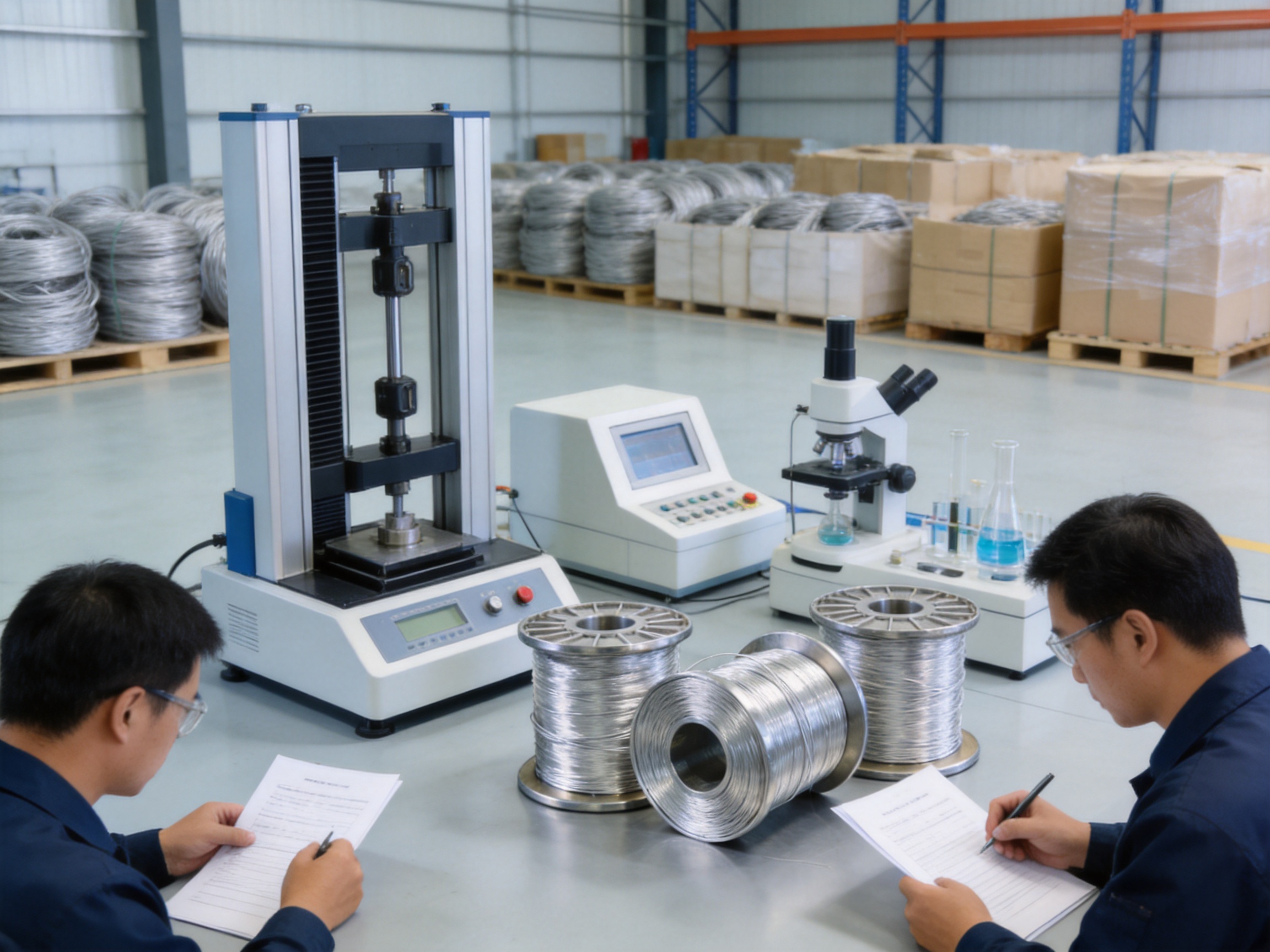
Quality assurance for AlMg6 aluminum alloy wire should include inspection of chemical composition, dimensional accuracy, surface quality, and relevant mechanical or processing properties. Chemical composition confirms that the alloy meets the specified ranges for magnesium, manganese, titanium, beryllium, and controlled impurity elements. Dimensional inspection confirms that wire size meets customer requirements. Surface inspection identifies defects that could affect welding, forming, or appearance. Mechanical testing may be used to verify strength, elongation, and other customer-specified performance indicators.
Traceability is also important. In advanced manufacturing supply chains, customers need to know which batch of material was used, when it was produced, and what inspection results were obtained. A strong quality management system supports this traceability. It also allows manufacturers and customers to investigate and solve issues efficiently if questions arise. ISO 9001 and IATF 16949 systems emphasize process control, documentation, corrective action, and continuous improvement, all of which support customer assurance.
For customers comparing suppliers, price should not be the only factor. In high-strength aluminum alloy wire, quality stability can have a direct impact on production cost. A wire that feeds smoothly, welds consistently, and meets composition requirements can reduce hidden costs. A wire with inconsistent chemistry or surface condition can create defects that are much more expensive than the original material savings. The advantage of a specialized manufacturer is that it can provide both material and process confidence.
Selection Guidance for Buyers and Engineers
When selecting AlMg6 aluminum alloy wire, buyers and engineers should begin with the application environment. If the wire will be used in marine, aerospace, military, or automotive structures, the requirements for strength, corrosion resistance, weldability, and quality documentation should be clearly defined. The base material to be joined or processed should also be considered, especially for welding applications. Compatibility between filler wire, base alloy, welding method, and service environment is essential for achieving reliable results.
Next, customers should define wire diameter, delivery condition, packaging requirement, inspection standard, and any special quality documentation needed. Automated welding systems may require tighter diameter control and spool packaging. Precision component production may require specific surface finish or mechanical behavior. Export customers may require certificates of analysis, quality management documentation, or compliance with internal procurement standards. Clear communication before ordering helps ensure that the supplied wire matches the intended use.
Customers should also consider the supplier’s manufacturing capability. A supplier with advanced equipment, professional technicians, strict inspection, and international quality certifications is better positioned to deliver stable AlMg6 wire over repeated orders. For long-term projects, consistent supply is as important as the first sample approval. Jiangsu Hetuo Aluminum Wire Co., Ltd. has built its strengths around aluminum wire and aluminum alloy welding materials, making it a suitable partner for customers seeking reliable high-strength aluminum alloy wire.
Q&A: Practical Questions About AlMg6 Aluminum Alloy Wire
What is AlMg6 aluminum alloy wire?
AlMg6 aluminum alloy wire is a high-strength aluminum-magnesium alloy wire with magnesium as the main strengthening element. According to the supplied composition, it contains 5.8% to 6.8% magnesium, 0.5% to 0.8% manganese, 0.1% to 0.2% titanium, small controlled amounts of other elements, and aluminum as the remainder. It is used in applications requiring strength, corrosion resistance, and weldability.
What are the main advantages of AlMg6?
The main advantages include high strength, low density, good exfoliation corrosion resistance, and good weldability. These properties make it suitable for aviation, aerospace, military equipment, ships, automobiles, tanks, and other demanding industrial fields.
How does AlMg6 compare with pure aluminum wire?
Pure aluminum wire offers excellent conductivity, ductility, and corrosion resistance, but it does not provide the same structural strength as AlMg6. AlMg6 is strengthened by magnesium and is therefore more suitable for applications where mechanical performance is important.
Why is magnesium important in this alloy?
Magnesium strengthens aluminum through solid-solution strengthening. In AlMg6, the relatively high magnesium content gives the wire a higher strength level while preserving aluminum’s lightweight character. This is one reason the alloy is valuable for transportation, marine, aerospace, and defense applications.
Is AlMg6 suitable for marine applications?
Yes. AlMg6’s aluminum-magnesium composition and corrosion-resistant characteristics make it suitable for many marine and shipbuilding applications. Its good weldability is also beneficial because marine structures often require extensive welded fabrication.
Why does weldability matter for AlMg6 users?
Weldability affects productivity, joint quality, and manufacturing cost. A wire that welds consistently helps reduce defects, rework, and production interruptions. In fields such as ships, vehicles, aerospace structures, and military equipment, weld quality is essential for safety and long-term reliability.
What role does the manufacturer’s quality system play?
The manufacturer’s quality system helps ensure stable composition, dimensional accuracy, surface quality, inspection documentation, and traceability. ISO 9001 and IATF 16949 certifications indicate structured process management and quality control, which are important for high-strength aluminum alloy wire customers.
Can AlMg6 reduce product weight?
Yes. Like other aluminum alloys, AlMg6 has a much lower density than steel. Its higher strength allows engineers to design lighter components and assemblies while maintaining required performance, supporting fuel efficiency, mobility, and sustainability goals.
What industries commonly use AlMg6 aluminum alloy wire?
Typical application fields include aviation, aerospace, military equipment, ships, automobiles, tanks, welded structures, and other industrial products requiring a combination of strength, corrosion resistance, and fabrication performance.
What should buyers specify when ordering?
Buyers should specify alloy grade, wire diameter, delivery condition, packaging format, quantity, application, required inspection documents, and any special standards or tolerances. For welding applications, buyers should also consider base material compatibility and welding process requirements.
Conclusion
AlMg6 aluminum alloy wire is a high-value material for industries that require strength, corrosion resistance, lightweight performance, and weldability. Its composition, especially the 5.8% to 6.8% magnesium content, gives it stronger mechanical potential than many lower-alloy aluminum wires. Controlled manganese and titanium additions support structural stability and process quality, while low levels of copper, iron, silicon, and zinc help preserve corrosion resistance and balanced performance. These characteristics make AlMg6 suitable for aviation, aerospace, military, shipbuilding, automotive, tank, and other advanced industrial applications.
The competitive advantage of AlMg6 does not come from chemistry alone. It also depends on manufacturing capability. Advanced equipment, careful alloying, clean processing, precision drawing, strict inspection, and reliable packaging all contribute to final product performance. Jiangsu Hetuo Aluminum Wire Co., Ltd. strengthens the value of AlMg6 through its intelligent manufacturing system, 40,000-square-meter factory, professional technical team, ISO 9001 certification, IATF 16949 certification, and commitment to international quality standards. For customers, this means the product is supported by both metallurgical design and disciplined production control.
As global industries continue moving toward lighter, stronger, and more sustainable materials, AlMg6 aluminum alloy wire offers a practical solution. It helps reduce weight, resist corrosion, support reliable welding, and meet demanding service requirements. For engineers and purchasing teams seeking a high-strength aluminum alloy wire with proven application potential and strong manufacturing support, AlMg6 is a material worthy of serious consideration.
References
1. Davis, J. R. Aluminum and Aluminum Alloys. ASM International.
2. Hatch, J. E. Aluminum: Properties and Physical Metallurgy. ASM International.
3. International Organization for Standardization. ISO 9001 Quality Management Systems Requirements.
4. International Automotive Task Force. IATF 16949 Automotive Quality Management System Standard.
5. Kaufman, J. G. Introduction to Aluminum Alloys and Tempers. ASM International.
6. Totten, G. E., and MacKenzie, D. S. Handbook of Aluminum: Alloy Production and Materials Manufacturing. CRC Press.