

 English
 中文简体
中文简体 русский
 Deutsch
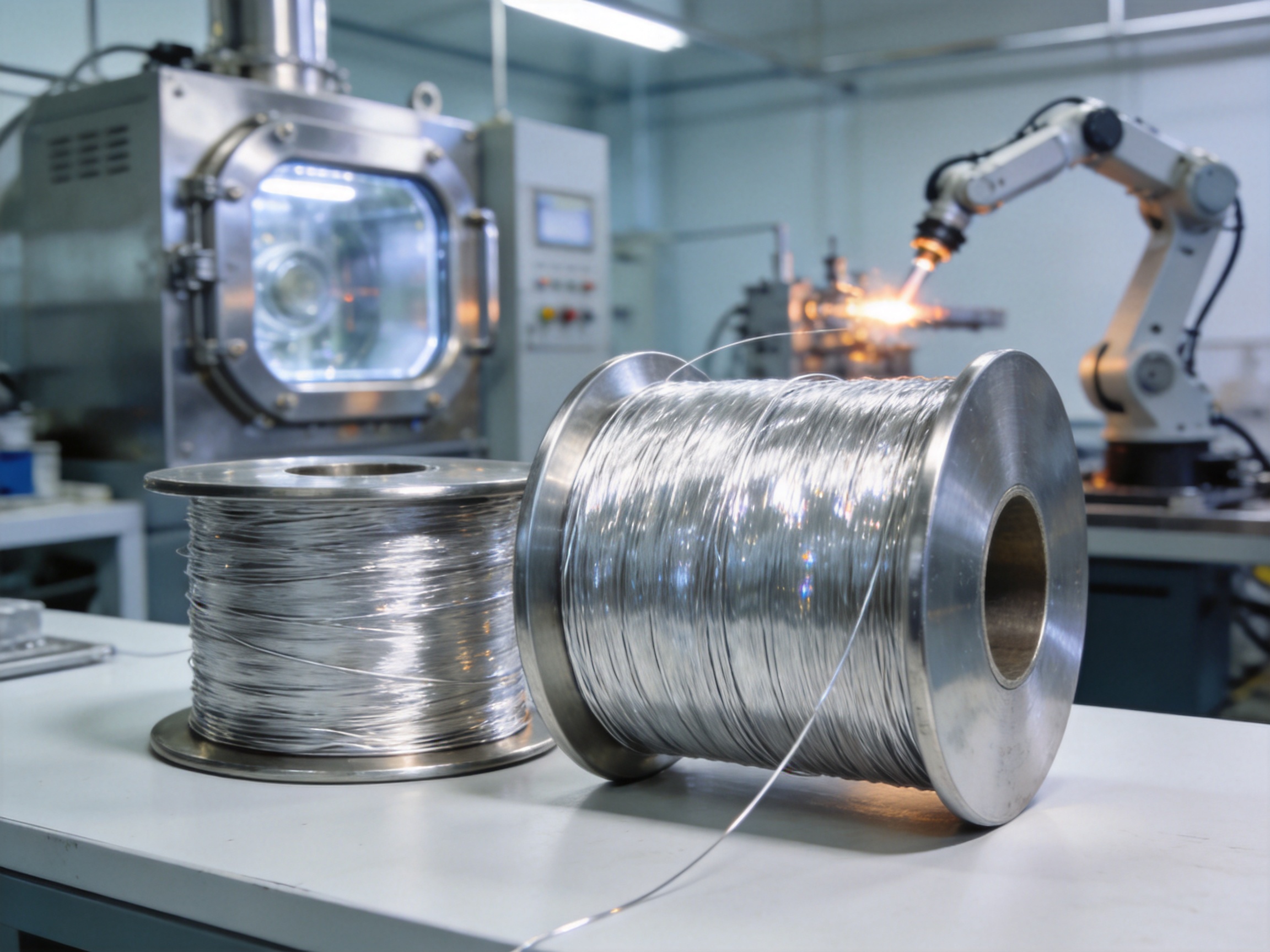
In modern surface engineering, material purity is not a minor specification; it is often the condition that determines coating density, adhesion, corrosion resistance, electrical behavior, and long-term service reliability. 1090 Aluminum Wire is a high-purity aluminum wire developed for applications where clean aluminum deposition and stable processing performance are essential. With an aluminum content above 99.90%, it is mainly used in evaporation and spraying fields to improve the surface corrosion resistance of substrates and extend service life.
As a representative product in the high-purity aluminum wire category, 1090 Aluminum Wire serves industries that require dependable coating material, controlled chemistry, smooth feeding, and consistent melting or deposition behavior. Compared with ordinary commercial aluminum wire, 1090 Aluminum Wire offers a higher aluminum purity level, lower impurity content, and improved suitability for applications where coating uniformity and corrosion protection are the main performance goals.
Jiangsu Hetuo Aluminum Wire Co., Ltd. manufactures this product with an intelligent production system covering high-purity aluminum wire, high-strength aluminum alloy wire, and aluminum and aluminum alloy welding materials. The company focuses on advanced aluminum alloy rods, welding wires, and precision profiles, and its production model combines material selection, process control, inspection, and quality management. With ISO 9001 and IATF 16949 certifications, a 40,000-square-meter factory, and a professional technical team, the company is positioned to provide stable, scalable, and application-oriented aluminum wire solutions for global industrial users.
Content
- 1 Product Overview: What Makes 1090 Aluminum Wire Distinctive
- 2 Core Application Fields
- 3 Chemical Composition and Grade Comparison
- 4 Advantages Over Ordinary Aluminum Wire and Competing Materials
- 5 Manufacturing Strength: From Material Control to Finished Wire
- 6 Quality Management and Certification Strength
- 7 Factory Scale and Technical Team
- 8 How 1090 Aluminum Wire Supports Longer Service Life
- 9 Comparison With Common Alternatives
- 10 Application Considerations for Users
- 11 Why Manufacturer Capability Matters
- 12 Role in Sustainable Industrial Solutions
- 13 Industries That Can Benefit From 1090 Aluminum Wire
- 14 Customer Value: Beyond the Wire Itself
- 15 Practical Selection Guidance
- 16 Q&A Section
- 16.1 What is 1090 Aluminum Wire mainly used for?
- 16.2 What is the aluminum purity of 1090 Aluminum Wire?
- 16.3 How is 1090 Aluminum Wire different from 1070 Aluminum Wire?
- 16.4 Is 1090 Aluminum Wire always better than 1A95 Aluminum Wire?
- 16.5 Why is high purity important for evaporation?
- 16.6 Why is high purity important for spraying?
- 16.7 What company manufactures this 1090 Aluminum Wire?
- 16.8 What quality certifications does the manufacturer have?
- 16.9 How does the product help extend service life?
- 16.10 What should customers consider before purchasing?
- 17 Conclusion
- 18 References
Product Overview: What Makes 1090 Aluminum Wire Distinctive
1090 Aluminum Wire is a high-purity aluminum wire grade characterized by aluminum content greater than 99.90%. Its low alloying and impurity levels make it particularly suitable for evaporation and spraying processes, where the deposited aluminum layer must be clean, continuous, and corrosion-resistant. In many coating systems, the wire is consumed as feedstock and transformed into vapor, molten droplets, or deposited particles. The chemical consistency of the wire directly affects process stability and final coating quality.
High-purity aluminum is valued because aluminum naturally forms a thin, dense oxide film when exposed to air. This oxide layer helps protect the underlying material from further oxidation and corrosive attack. When 1090 Aluminum Wire is used for surface deposition, it can create or support aluminum-rich protective layers on steel, alloy, or other substrates. This is especially useful in environments where moisture, salt, industrial atmosphere, or thermal cycling can accelerate degradation.
The “1090” grade is positioned between general high-purity aluminum grades and ultra-high-purity materials. Compared with 1070 aluminum wire, which commonly provides 99.70% aluminum, 1090 offers a higher aluminum percentage and lower impurity allowance. Compared with ultra-high-purity grades such as 1A95, 1090 may offer a practical balance between purity, processability, availability, and cost. This balance makes it attractive for industrial evaporation and spraying operations that require strong performance without unnecessary over-specification.
The product belongs to the high-purity aluminum wire family, but it is not limited to a single narrow use. It may be selected for thermal spray coatings, vacuum metallization, evaporation coating, anticorrosion surface repair, functional metallized layers, and process trials where predictable aluminum behavior is needed. Its value lies not only in its chemistry but also in manufacturing consistency, packaging quality, and technical support.
Core Application Fields
The primary applications of 1090 Aluminum Wire are evaporation and spraying. These processes may differ in equipment design, operating temperature, and deposition mechanism, but they share a common requirement: the feed material must be clean, stable, and consistent. A wire with fluctuating composition, poor surface quality, oil contamination, excessive oxide, or unstable diameter can create interruptions, uneven deposition, nozzle issues, or coating defects.
Evaporation Applications
In evaporation processes, aluminum is heated until it vaporizes and deposits onto a target surface. This method is often used when a thin, uniform aluminum film is required. High-purity aluminum is preferred because impurities can influence vapor pressure, film color, electrical properties, adhesion, reflectivity, and corrosion behavior. 1090 Aluminum Wire, with its aluminum content above 99.90%, supports stable evaporation and helps reduce the risk of impurity-related film defects.
Evaporation applications may include metallized films, decorative coatings, reflective surfaces, barrier layers, electronic-related coatings, and functional protective layers. In these uses, even small variations in source material can influence the deposition result. A wire manufactured with strict chemical control and clean surface handling gives users a more predictable process window.
Spraying Applications
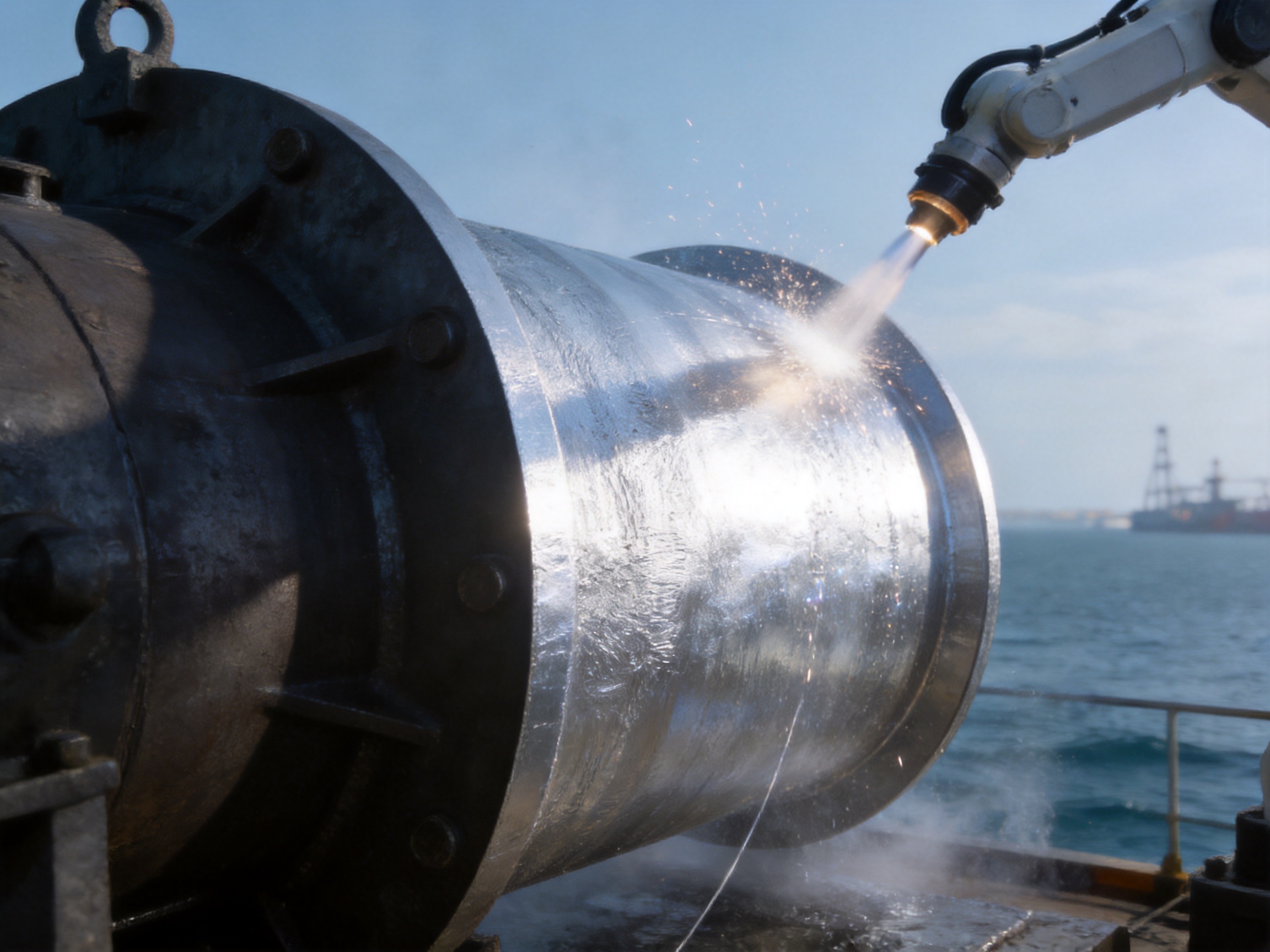
In spraying applications, aluminum wire may be melted and atomized into fine particles that are projected onto a substrate. The deposited aluminum layer can protect the base material by acting as a sacrificial or barrier coating. Aluminum thermal spraying is widely associated with corrosion protection of steel structures, industrial equipment, marine components, storage systems, and repair surfaces. 1090 Aluminum Wire is suitable for such applications because its purity supports the formation of a clean aluminum coating with dependable corrosion resistance.
Sprayed aluminum coatings can help extend the service life of substrates exposed to aggressive environments. By providing an aluminum-rich layer, the coating can reduce direct contact between the substrate and corrosive media. In many engineering situations, this improves maintenance intervals, lowers lifecycle costs, and enhances equipment reliability.
Surface Corrosion Resistance Improvement
The key functional purpose of 1090 Aluminum Wire is to improve the surface corrosion resistance of the substrate. Aluminum naturally resists atmospheric corrosion because of its protective oxide film. When deposited onto another material, the aluminum layer can help protect against oxidation, moisture intrusion, and environmental attack. This is especially relevant for steel surfaces, which may rust rapidly without proper protection.
High-purity aluminum wire helps ensure that the deposited coating contains fewer unwanted elements that could create localized corrosion sites or inconsistent electrochemical behavior. Lower impurity levels can contribute to improved coating integrity, especially when the coating is exposed to salt spray, humidity, or industrial pollutants.
Chemical Composition and Grade Comparison
The chemical composition of aluminum wire is one of the most important indicators of suitability for demanding coating applications. For 1090 Aluminum Wire, the aluminum content is above 99.90%, while impurity elements such as silicon, iron, copper, manganese, magnesium, zinc, and titanium are tightly limited. This low impurity profile supports clean melting, stable evaporation, and reliable spraying.
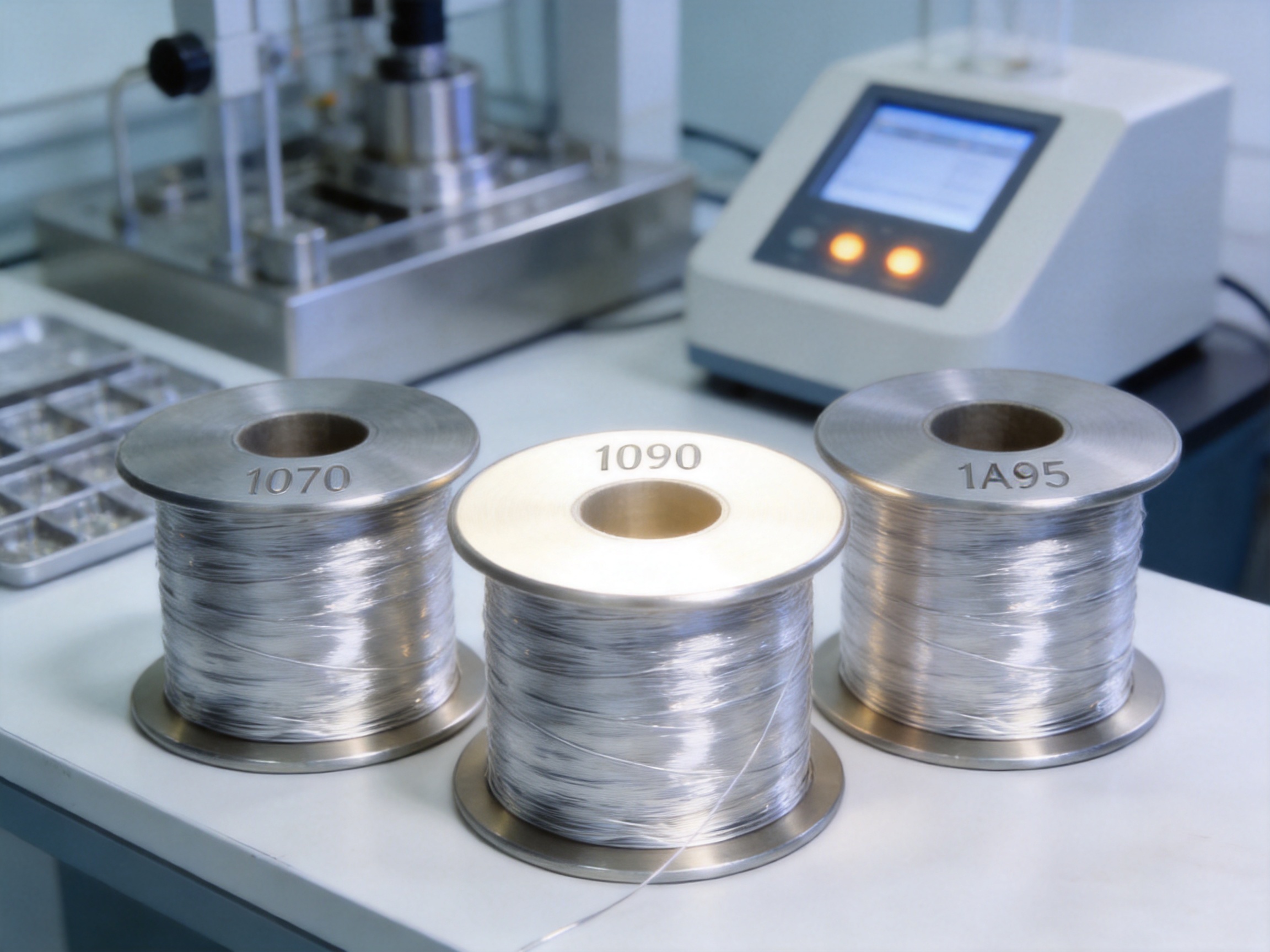
The following table summarizes the chemical composition information for several high-purity aluminum wire grades, including 1090.
| Product Category | Grade | Si | Fe | Cu | Mn | Mg | Cr | Ni | Zn | Ti | Zr | Be | Other Single | Other Total | Al |
| High Purity Aluminum Wire | 1070 | 0.20 | 0.25 | 0.04 | 0.03 | 0.03 | — | — | 0.04 | 0.03 | — | — | 0.03 | — | 99.70 |
| High Purity Aluminum Wire | 1090 | 0.07 | 0.07 | 0.02 | 0.01 | 0.01 | — | — | 0.03 | 0.01 | — | — | 0.01 | — | 99.90 |
| High Purity Aluminum Wire | 1A95 | 0.03 | 0.03 | 0.01 | — | — | — | — | 0.00 | 0.01 | — | — | 0.01 | — | 99.95 |
The table shows why 1090 Aluminum Wire is a meaningful upgrade from lower-purity aluminum wire. In comparison with 1070, 1090 has lower limits for silicon, iron, copper, manganese, magnesium, zinc, titanium, and other single impurities. These differences may appear small numerically, but in coating processes they can matter greatly. Impurities can affect melting uniformity, oxide formation, droplet behavior, film morphology, and corrosion performance.
At the same time, 1090 offers a practical alternative to even higher purity grades when the application does not require the additional purity of 1A95. This makes it suitable for users seeking a high-performance but commercially practical aluminum wire for evaporation and spraying. The result is a product that combines strong technical value with industrial usability.
Advantages Over Ordinary Aluminum Wire and Competing Materials
1090 Aluminum Wire offers several advantages over standard aluminum wire products and less carefully controlled materials. These advantages are rooted in purity, process stability, surface condition, dimensional consistency, quality management, and manufacturing expertise.
Higher Aluminum Purity
The most obvious advantage is aluminum purity above 99.90%. In coating processes, high purity helps create cleaner layers and reduces the risk of impurity-driven defects. Compared with ordinary aluminum wire, which may contain higher levels of iron, silicon, copper, or other elements, 1090 Aluminum Wire provides a more controlled chemical base. This is especially beneficial when the finished coating must perform in corrosive environments.
Higher purity can also reduce variability between batches. Users who operate continuous production lines or large-scale spraying equipment need wire that behaves consistently from spool to spool. Chemical stability is a foundation for repeatable industrial operation.
Improved Corrosion Protection Potential
Aluminum coatings protect substrates through a combination of barrier protection and natural oxide formation. When the aluminum layer is cleaner and more uniform, it can better contribute to corrosion resistance. Lower impurity content may reduce local galvanic differences within the coating, helping the layer maintain more stable protection over time.
For customers, this can mean longer service life for coated components, reduced maintenance, and improved reliability in harsh environments. In infrastructure, transportation, industrial equipment, and marine-related applications, the value of longer service life can be much greater than the cost difference between ordinary wire and high-purity wire.
Stable Feeding and Processing
Wire used in spraying and evaporation must feed smoothly into processing equipment. Surface defects, inconsistent diameter, improper winding, or contamination can interrupt production. Jiangsu Hetuo Aluminum Wire Co., Ltd. emphasizes strict process control and inspection, helping ensure that the wire is suitable for stable industrial use.
In thermal spraying, feeding stability can influence arc behavior, particle generation, spray pattern, and coating uniformity. In evaporation, stable material supply contributes to consistent vapor generation and film deposition. A high-purity wire is only useful if it is also manufactured into a reliable physical form.
Lower Impurity-Related Risk
Impurities can affect coating appearance and performance. Iron and silicon, for example, can influence microstructure and melting characteristics. Copper may affect corrosion behavior if present beyond controlled limits. Excessive or uncontrolled trace elements can introduce variability that becomes difficult to manage in precision applications. 1090 Aluminum Wire reduces these risks through tighter composition limits.
Balanced Performance and Cost
Some applications require ultra-high-purity aluminum, but many industrial evaporation and spraying processes benefit most from a balanced grade. 1090 Aluminum Wire delivers a high aluminum content while remaining a practical industrial material. It gives users better purity than 1070 while avoiding unnecessary specification levels where 99.95% aluminum is not required. This balance makes it competitive in procurement, production planning, and large-volume consumption.
Reliable Supply From a Specialized Manufacturer
Another advantage lies in manufacturing specialization. Jiangsu Hetuo Aluminum Wire Co., Ltd. focuses on aluminum wire, aluminum alloy wire, and welding materials rather than treating aluminum wire as a secondary product. This specialization supports deeper process knowledge, better equipment configuration, and more targeted quality inspection. For customers, working with a specialized manufacturer can reduce technical uncertainty and improve communication during product selection.
Manufacturing Strength: From Material Control to Finished Wire
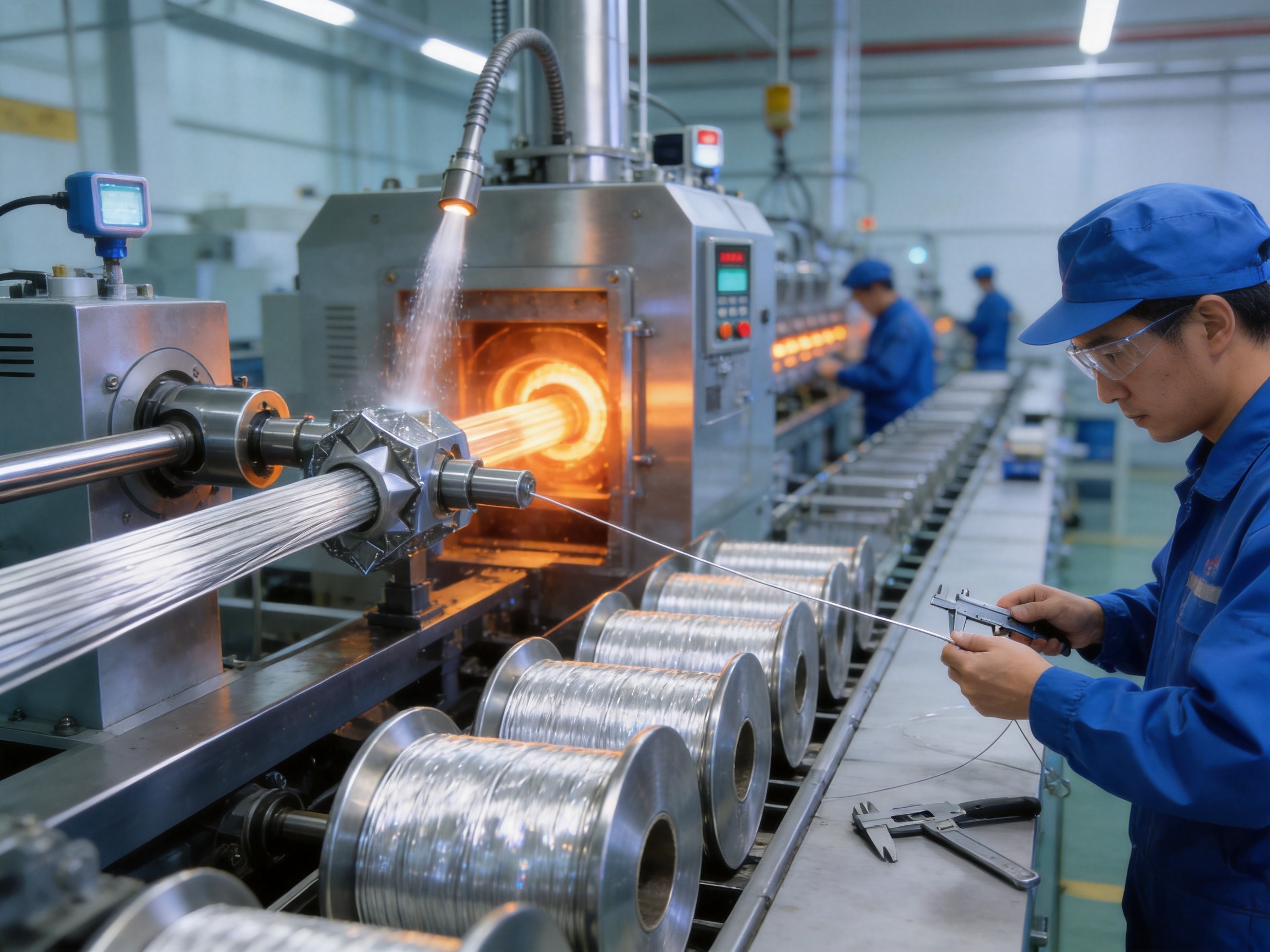
The performance of 1090 Aluminum Wire depends not only on its nominal chemical composition but also on how it is produced. Advanced manufacturing is essential for converting high-purity aluminum into wire that is clean, uniform, and suitable for demanding equipment. Jiangsu Hetuo Aluminum Wire Co., Ltd. has built an intelligent manufacturing system that supports high-purity aluminum wire production, high-strength aluminum alloy wire production, and aluminum welding material production.
Raw Material Selection
High-purity wire begins with high-quality raw material. The company’s production approach emphasizes controlled inputs, which is necessary for maintaining aluminum purity above 99.90%. Raw material selection helps reduce the risk of excessive impurities and supports stable downstream processing. For high-purity aluminum, small deviations in raw material can influence final chemistry, so strict incoming control is a critical first step.
Melting and Composition Management
During melting and preparation, composition control is essential. The objective is to maintain the purity of aluminum while preventing contamination from equipment, atmosphere, handling, or improper process conditions. A well-managed melting process helps maintain low impurity levels and supports uniform distribution of trace elements. This is important because chemical nonuniformity can lead to inconsistent wire behavior during evaporation or spraying.
Good composition management also includes sampling and analysis. By verifying chemistry during production, the manufacturer can identify deviations early and avoid releasing material that does not meet the required grade. This reflects a quality-first approach rather than relying only on final inspection.
Rod Preparation and Wire Drawing
Wire quality depends heavily on rod quality and drawing control. In wire drawing, aluminum is reduced through a series of dies to reach the required diameter. This process must control deformation, surface smoothness, lubrication, die condition, and dimensional tolerance. If drawing is poorly controlled, the wire may develop scratches, cracks, inconsistent diameter, or poor mechanical stability.
For evaporation and spraying, a smooth and clean wire surface is especially important. Surface defects may interfere with feeding or create inconsistent melting behavior. A controlled drawing process helps produce wire that is uniform along its length, making it more suitable for automated industrial equipment.
Annealing and Mechanical Stability
Depending on application requirements, aluminum wire may need controlled softness, ductility, or handling characteristics. Annealing can adjust the internal structure and mechanical properties of the wire. For feedstock wire, the goal is not simply strength; the wire must also unwind smoothly, resist breakage during feeding, and maintain dimensional consistency. A suitable balance between ductility and stability helps reduce downtime in production.
Surface Cleaning and Contamination Control
Surface cleanliness is a major factor in high-purity aluminum wire performance. Oil residue, dust, drawing compounds, excessive oxide, or foreign particles can affect evaporation quality and spraying behavior. The company’s emphasis on strict quality inspection throughout production supports the goal of providing wire that is clean and dependable.
In coating applications, contamination may create pinholes, inclusions, unstable arcs, spatter, or nonuniform film formation. Therefore, surface control is an important competitive advantage. It helps customers reduce process troubleshooting and improve final coating consistency.
Spooling, Packaging, and Handling
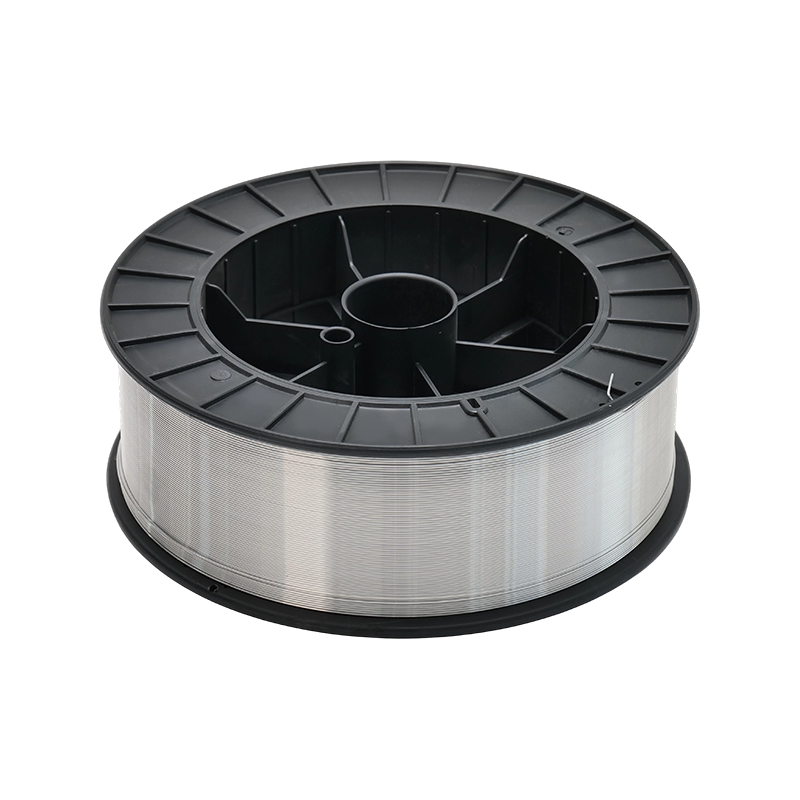
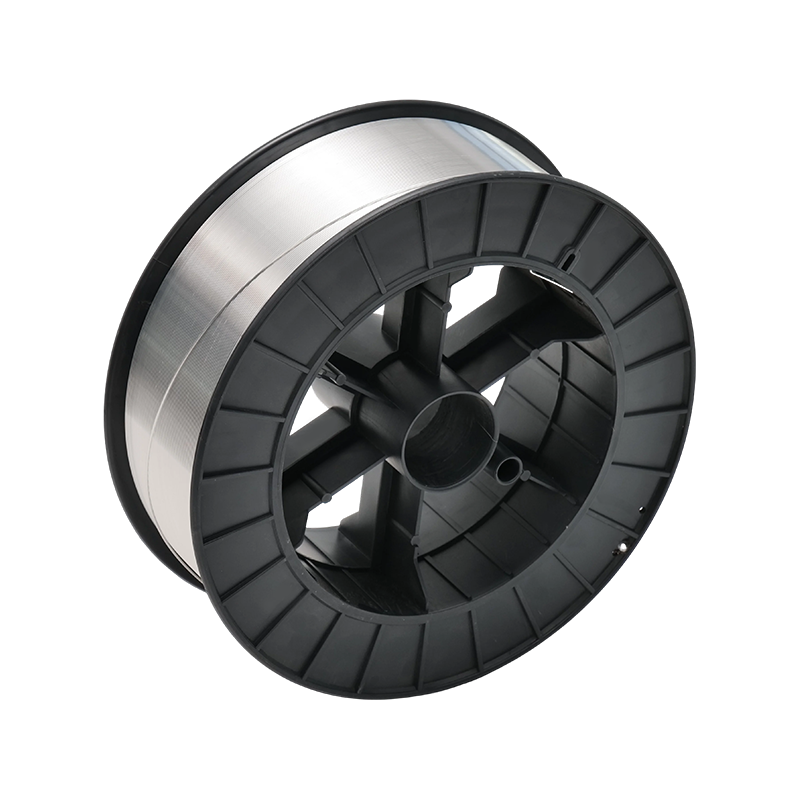
Finished wire must be wound in a way that supports smooth pay-off during use. Tangling, uneven winding, damaged edges, or improper spool tension can cause production interruptions. Good packaging also protects wire from moisture, dust, mechanical damage, and surface contamination during storage and transport. This is particularly important for international customers and high-end overseas markets where long logistics chains may expose products to varying environmental conditions.
A manufacturer experienced in aluminum wire production understands that packaging is part of product quality. The wire must arrive in usable condition, not only meet chemistry on paper.
Quality Management and Certification Strength
Jiangsu Hetuo Aluminum Wire Co., Ltd. has obtained ISO 9001 and IATF 16949 quality management system certifications. These certifications are important because they indicate that the company has established structured quality processes, documentation, control procedures, and continuous improvement mechanisms. For customers in demanding industrial sectors, certifications can reduce supplier qualification difficulty and provide confidence in long-term cooperation.
ISO 9001 focuses on quality management principles such as customer focus, leadership, process approach, evidence-based decision-making, and improvement. IATF 16949 is especially relevant to automotive supply chains and other high-standard manufacturing environments because it emphasizes defect prevention, variation reduction, traceability, and consistent process control.
For 1090 Aluminum Wire, quality management is reflected in multiple stages: raw material inspection, composition verification, production process monitoring, dimensional inspection, surface inspection, packaging control, and batch traceability. These practices help ensure that customers receive wire that meets specified requirements and performs consistently in their equipment.
Factory Scale and Technical Team
The company’s factory covers 40,000 square meters and has 60 employees, including 30 professional managers and technicians. This combination of production space and technical personnel supports organized manufacturing, quality control, process improvement, and customer service. A specialized technical team is important because aluminum wire production involves metallurgy, mechanical processing, surface science, equipment operation, and application knowledge.
Customers often require more than a product list. They may need help selecting a grade, confirming composition, evaluating wire behavior, or matching wire specifications to equipment. A manufacturer with professional technicians can provide more practical support and respond more effectively to application questions.
The company’s location in the Guannan Economic Development Zone of Lianyungang, Jiangsu Province, also supports industrial production and logistics. As a manufacturer serving domestic and overseas markets, it is positioned to provide stable supply for users requiring high-purity aluminum wire and aluminum alloy wire products.
How 1090 Aluminum Wire Supports Longer Service Life
The central value of 1090 Aluminum Wire is its ability to contribute to longer service life through improved surface corrosion resistance. In many industrial systems, the substrate material provides strength and structural function, while the surface coating provides environmental resistance. This separation of functions allows designers and maintenance teams to protect costlier or more load-bearing materials with an aluminum-based coating.
When aluminum is deposited onto a substrate, it can help isolate the substrate from oxygen, water, salt, chemicals, and pollutants. The aluminum surface forms a natural oxide film, which can slow further attack. In some environments, aluminum coatings also provide sacrificial protection, meaning the aluminum may preferentially oxidize and help protect the underlying metal.
High-purity 1090 wire is useful because it can produce coatings with fewer undesirable impurity effects. Clean coating material helps form a more consistent protective layer. Consistency is critical because corrosion often begins at weak points such as pores, cracks, inclusions, or compositionally different regions. By reducing impurity levels and maintaining good wire quality, 1090 Aluminum Wire helps users improve coating dependability.
For industrial customers, longer service life can translate into lower maintenance cost, fewer shutdowns, improved safety, and better asset utilization. In competitive markets, these benefits are more important than the initial price of the wire alone. A wire that helps reduce coating defects or rework can provide significant operational value.
Comparison With Common Alternatives
Users evaluating aluminum wire for evaporation and spraying may compare 1090 Aluminum Wire with lower-purity aluminum wire, ultra-high-purity aluminum wire, aluminum alloy wire, or other coating materials such as zinc or stainless materials. Each option has its place, but 1090 offers a valuable balance for many aluminum deposition applications.
Compared With 1070 Aluminum Wire
1070 aluminum wire is a high-purity grade with aluminum content around 99.70%. It can be suitable for many general applications, but it contains higher allowable levels of silicon, iron, and other impurities than 1090. If the user’s process is sensitive to impurity content or if the coating must deliver higher corrosion resistance and cleaner deposition, 1090 may be the better choice.
The upgrade from 1070 to 1090 is especially meaningful in applications where surface quality, coating appearance, and environmental resistance are carefully evaluated. For users experiencing inconsistent evaporation, unwanted residues, or variable coating performance with lower-purity wire, 1090 can provide a more stable material foundation.
Compared With 1A95 Aluminum Wire
1A95 provides even higher purity, around 99.95% aluminum. However, not every application needs this level of purity. 1090 can offer strong technical performance with a practical cost and availability profile. In industrial spraying and many evaporation uses, 1090 may be sufficient to meet performance requirements while avoiding unnecessary material specification.
This makes 1090 a rational choice for customers who want better purity than standard grades but do not require ultra-high-purity levels. It is a balanced solution for many production environments.
Compared With Aluminum Alloy Wire
Aluminum alloy wire may provide higher mechanical strength or specialized properties, but alloying elements can influence deposition behavior and corrosion performance. When the primary goal is high-purity aluminum coating, 1090 is often more appropriate than alloy wire. The low alloy content supports a more aluminum-rich coating and reduces the effect of alloying elements on the deposited layer.
Compared With Non-Aluminum Coating Materials
Other coating materials may be selected for different reasons. Zinc, for example, is widely used for galvanic protection, while stainless materials may be selected for wear or heat resistance. Aluminum offers a combination of low density, good corrosion resistance, oxide film formation, and compatibility with many thermal spray and evaporation systems. 1090 Aluminum Wire is especially valuable when a clean aluminum layer is the design objective.
Application Considerations for Users
To obtain the best performance from 1090 Aluminum Wire, users should consider equipment compatibility, wire diameter, spool type, storage conditions, and process parameters. Even high-quality wire requires appropriate handling and processing.
Equipment Compatibility
Different evaporation and spraying systems may require specific wire diameters, spool dimensions, feeding tension, or surface conditions. Users should confirm that the wire form matches their equipment requirements. Consistent communication with the manufacturer can help avoid mismatches and improve production efficiency.
Storage Environment
Although aluminum naturally forms a protective oxide film, wire should still be stored in a dry, clean environment. Moisture, dust, chemicals, and mechanical damage can affect surface condition. Proper storage helps maintain the wire’s original quality until use.
Process Parameter Control
Coating performance depends not only on wire quality but also on process parameters such as temperature, feeding speed, spray distance, vacuum level, substrate preparation, and environmental control. 1090 Aluminum Wire provides a reliable feedstock, but users should still optimize processing conditions to achieve the desired coating structure and adhesion.
Substrate Preparation
For corrosion-resistant coatings, substrate preparation is critical. Cleaning, roughening, degreasing, or preheating may be required depending on the process. Even the best aluminum wire cannot fully compensate for poor substrate preparation. A clean and properly prepared substrate improves coating adhesion and service life.
Why Manufacturer Capability Matters
In aluminum wire purchasing, customers sometimes focus only on grade and price. However, the manufacturer’s capability is equally important. Two products labeled with the same grade may behave differently if they are made with different raw materials, drawing processes, inspection standards, or packaging methods. For high-purity wire used in industrial coating systems, these differences can influence production efficiency and final product quality.
Jiangsu Hetuo Aluminum Wire Co., Ltd. distinguishes itself through specialization, advanced equipment, quality certification, and an intelligent manufacturing system. The company’s product coverage includes high-purity aluminum wire, high-strength aluminum alloy wire, and aluminum and aluminum alloy welding materials. This broader technical platform means the company understands both pure aluminum behavior and alloy wire processing. Such knowledge is useful when helping customers select materials for different application environments.
The company is guided by customer needs and committed to customer satisfaction. This customer-oriented approach is important because aluminum wire users may operate in very different industries. Some need high-volume spraying wire for corrosion protection. Others need carefully controlled evaporation wire for thin-film deposition. Still others may need welding materials or alloy wire for lightweight structural applications. A responsive manufacturer can adapt service and production support to these varied requirements.
Role in Sustainable Industrial Solutions
Aluminum is widely used in modern industry because it is lightweight, corrosion-resistant, and recyclable. 1090 Aluminum Wire contributes to sustainability in several ways. First, when used as a protective coating material, it can extend the life of substrates and reduce the need for replacement. Longer service life means fewer raw materials consumed over time and less downtime for maintenance.
Second, aluminum’s low density can support lightweight design strategies in broader product systems. Although 1090 wire itself is mainly used for coating and deposition, it belongs to a material family that helps industries pursue lighter and more efficient solutions. Jiangsu Hetuo Aluminum Wire Co., Ltd. aims to provide lighter, stronger, and more sustainable aluminum alloy wire and welding material solutions for global industries.
Third, stable manufacturing quality reduces waste. Wire that feeds smoothly, deposits consistently, and meets specification can reduce scrap, rework, and rejected coatings. In production environments, process stability is a practical form of sustainability because it reduces unnecessary consumption of energy and material.
Industries That Can Benefit From 1090 Aluminum Wire
1090 Aluminum Wire can support many industrial sectors that rely on corrosion-resistant surfaces or clean aluminum deposition. While exact use depends on equipment and performance requirements, common potential fields include marine protection, infrastructure maintenance, industrial machinery, energy equipment, metallized films, electronics-related coating, decorative surfaces, and repair operations.
In marine and coastal environments, salt exposure accelerates corrosion. Aluminum coatings produced by spraying can help protect steel structures and components. In infrastructure, bridges, pipelines, tanks, and outdoor structures may benefit from protective aluminum layers. In industrial plants, equipment exposed to humidity, chemicals, or high temperature cycles may require surface protection to remain reliable.
In evaporation and metallization, clean aluminum source material is important for producing uniform films. Film quality may influence reflectivity, barrier properties, appearance, or functional behavior. 1090 Aluminum Wire provides the purity and consistency needed for many of these applications.
Customer Value: Beyond the Wire Itself
The value of 1090 Aluminum Wire includes chemical performance, process reliability, and supplier dependability. Customers do not simply purchase aluminum; they purchase a material that must perform in a production system. If the wire causes feeding problems, coating defects, or inconsistent results, the real cost becomes much higher than the purchase price.
A dependable wire helps improve production continuity. Smooth feeding reduces downtime. Stable chemistry supports repeatable coating results. Clean surface condition reduces contamination risk. Proper packaging protects the product until use. Traceable quality records support customer audits and internal quality control.
Jiangsu Hetuo Aluminum Wire Co., Ltd. supports these values through advanced facilities, experienced technicians, and quality management systems. Its products comply with international quality standards and are exported to high-end overseas markets. This reflects the company’s ability to meet demanding customer expectations and compete in global supply chains.
Practical Selection Guidance
When choosing 1090 Aluminum Wire, users should define the primary performance target. If the target is improved corrosion resistance through aluminum spraying, the user should evaluate coating thickness, adhesion, porosity, surface preparation, and operating environment. If the target is evaporation deposition, the user should evaluate film uniformity, purity requirements, deposition rate, and equipment compatibility.
Users should also compare 1090 with other grades based on actual application needs. If the process only requires general purity, 1070 may be adequate. If the process requires extremely high purity, 1A95 may be considered. However, for many industrial evaporation and spraying applications, 1090 offers a strong middle position with high purity, lower impurity limits, and practical usability.
It is also important to discuss specifications with the manufacturer, including wire diameter, packaging, spool size, order volume, documentation, and inspection requirements. Early technical communication helps reduce risk and ensures that the supplied wire matches the customer’s production system.
Q&A Section
What is 1090 Aluminum Wire mainly used for?
1090 Aluminum Wire is mainly used in evaporation and spraying applications. It helps improve the surface corrosion resistance of substrates and extend the service life of coated components.
What is the aluminum purity of 1090 Aluminum Wire?
1090 Aluminum Wire has aluminum content above 99.90%. Its controlled impurity levels make it suitable for applications requiring clean aluminum deposition and stable processing.
How is 1090 Aluminum Wire different from 1070 Aluminum Wire?
1090 Aluminum Wire has higher aluminum purity than 1070 Aluminum Wire. The typical aluminum content of 1070 is 99.70%, while 1090 reaches 99.90%. 1090 also has lower limits for several impurity elements, which can improve coating consistency and corrosion resistance potential.
Is 1090 Aluminum Wire always better than 1A95 Aluminum Wire?
Not always. 1A95 has higher purity, around 99.95%, and may be preferred for extremely purity-sensitive applications. However, 1090 offers an excellent balance of high purity, processability, and practical industrial value. It is often suitable when 99.90% aluminum is sufficient.
Why is high purity important for evaporation?
In evaporation, impurities can affect vaporization behavior, film uniformity, coating appearance, electrical characteristics, and corrosion performance. High-purity aluminum wire helps produce cleaner and more consistent deposited films.
Why is high purity important for spraying?
In spraying, the wire is melted and deposited onto a substrate. Lower impurity content can support cleaner coating formation, reduce impurity-related defects, and help create aluminum-rich layers for corrosion protection.
What company manufactures this 1090 Aluminum Wire?
Jiangsu Hetuo Aluminum Wire Co., Ltd. manufactures 1090 Aluminum Wire as part of its high-purity aluminum wire product range. The company also produces high-strength aluminum alloy wire and aluminum and aluminum alloy welding materials.
What quality certifications does the manufacturer have?
The manufacturer has obtained ISO 9001 and IATF 16949 quality management system certifications. These certifications support structured quality control, traceability, and continuous improvement.
How does the product help extend service life?
When used in spraying or evaporation, 1090 Aluminum Wire can form aluminum-based protective layers on substrates. These layers improve corrosion resistance, reduce exposure to environmental attack, and help extend component service life.
What should customers consider before purchasing?
Customers should confirm wire diameter, spool type, packaging, equipment compatibility, purity requirements, coating performance targets, and documentation needs. They should also consider storage and handling conditions to preserve surface cleanliness.
Conclusion
1090 Aluminum Wire is a high-purity aluminum wire designed for evaporation and spraying applications where clean deposition, corrosion resistance, and process consistency are important. With aluminum content above 99.90%, it provides a stronger purity profile than many ordinary aluminum wires and offers a practical balance between performance and cost. Its controlled impurity levels support stable melting, coating formation, and corrosion-resistant surface engineering.
The product’s value is reinforced by the manufacturing strength of Jiangsu Hetuo Aluminum Wire Co., Ltd. The company combines advanced equipment, strict production inspection, quality management certifications, professional technical personnel, and an intelligent manufacturing system. Its focus on high-purity aluminum wire, high-strength aluminum alloy wire, and aluminum and aluminum alloy welding materials gives it the expertise needed to serve demanding industrial customers.
For users seeking a reliable aluminum source material for evaporation or spraying, 1090 Aluminum Wire offers a compelling combination of purity, stability, corrosion protection potential, and supplier capability. It helps manufacturers and surface engineering companies improve coating quality, protect substrates, reduce maintenance demands, and support longer-lasting industrial products.
References
1. Davis, J. R. Aluminum and Aluminum Alloys. ASM International.
2. Totten, G. E., and MacKenzie, D. S. Handbook of Aluminum: Physical Metallurgy and Processes. Marcel Dekker.
3. American Welding Society. Thermal Spraying: Practice, Theory, and Application.
4. International Organization for Standardization. ISO 9001 Quality Management Systems Requirements.
5. International Automotive Task Force. IATF 16949 Quality Management System Standard for Automotive Production and Relevant Service Parts Organizations.
6. ASM International. ASM Handbook, Volume 5: Surface Engineering.