

 English
 中文简体
中文简体 русский
 Deutsch
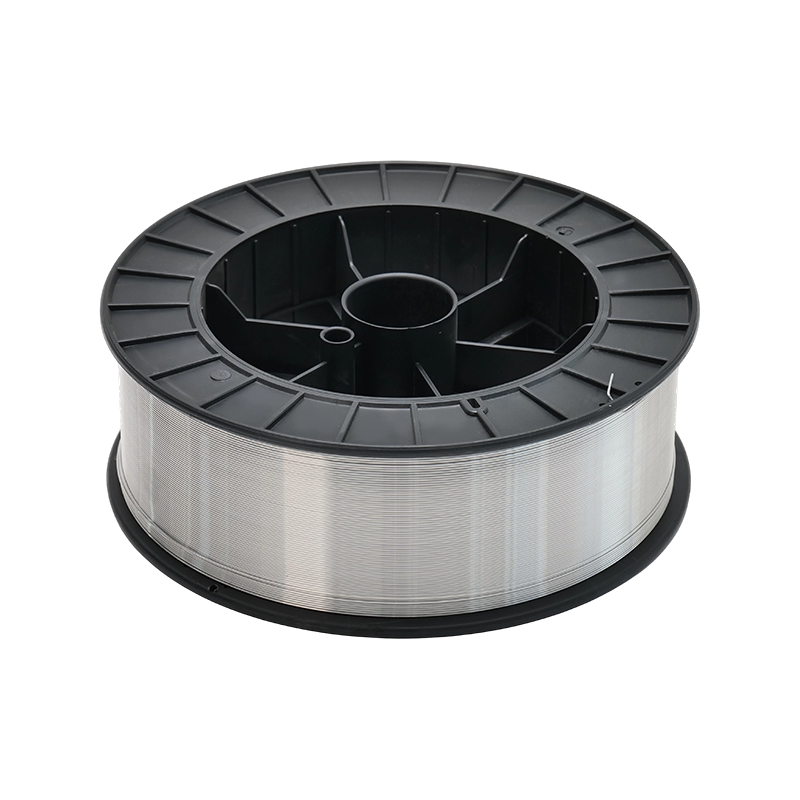
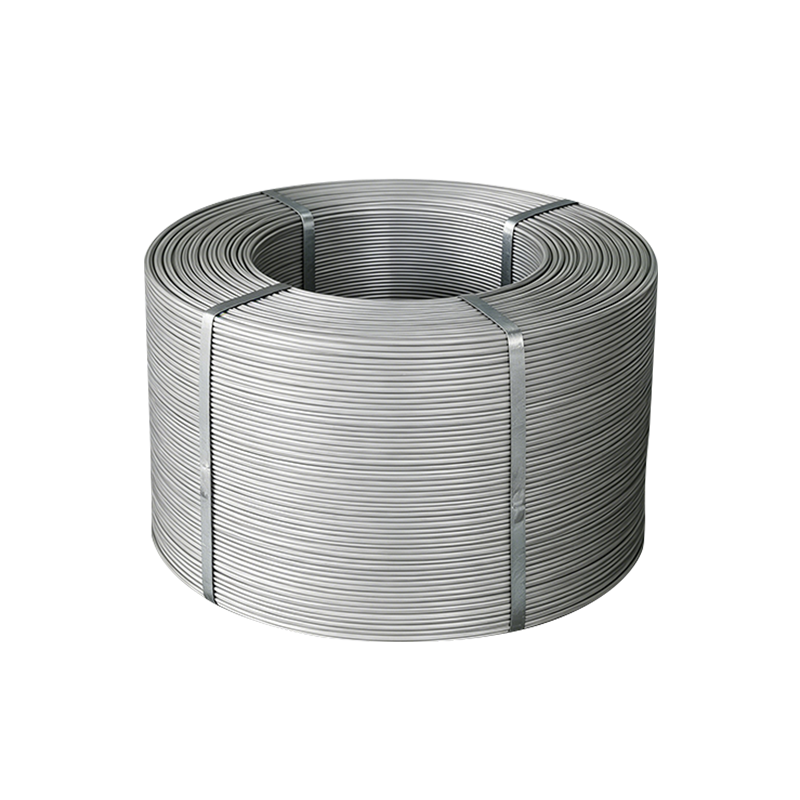
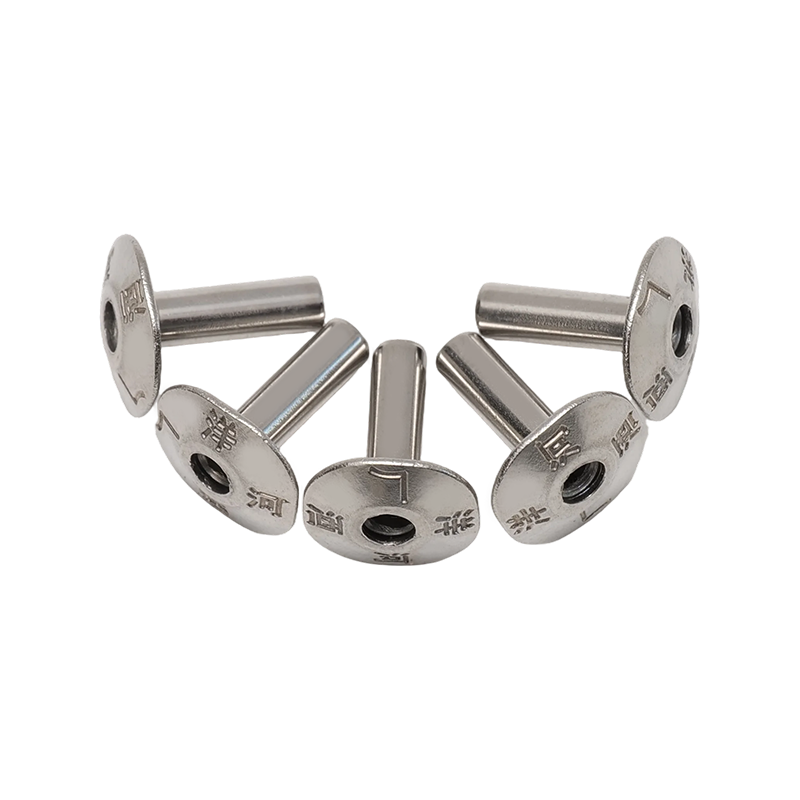
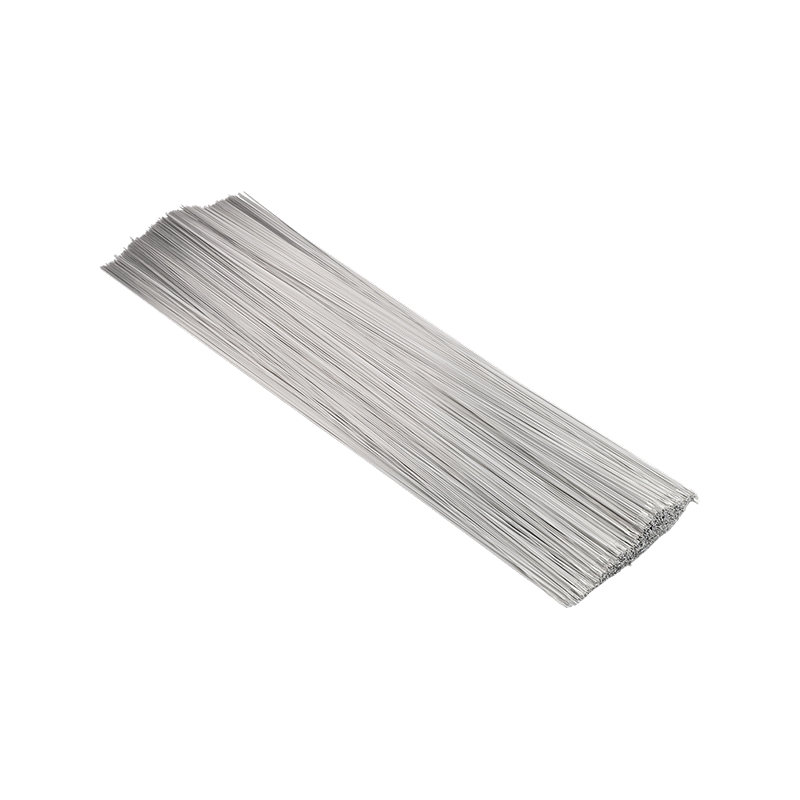
High-strength aluminum rivet wire is a specialized alloy wire designed for the production of rivets used in demanding structural applications, especially in aviation, aerospace, defense, precision transportation, and other fields where lightweight strength, corrosion resistance, and stable forming performance are critical. Unlike ordinary aluminum wire, rivet wire must satisfy a balanced set of requirements: it must be strong enough after heat treatment, ductile enough during heading and forming, consistent enough for automated production, and reliable enough for long-term service in complex environments.
The product discussed here is a high-strength aluminum alloy wire developed for rivet applications. It belongs to the high-strength aluminum alloy wire category and is mainly associated with aerospace-grade fastening solutions. Its technical value is closely related to aluminum-zinc-magnesium-copper alloy systems such as 7075 and related high-strength grades, as well as controlled heat-treatment conditions including T6, T73, and T76. These temper conditions allow the wire and finished rivets to achieve different performance priorities, such as maximum strength, improved fracture toughness, enhanced stress corrosion resistance, exfoliation corrosion resistance, and reliable low-temperature behavior.
For manufacturers and engineering buyers, rivet wire is not simply a raw material. It is the starting point of a safety-critical fastening system. The wire must support repeatable cold forming, uniform mechanical performance, stable chemical composition, accurate diameter control, clean surface quality, and dependable metallurgical structure. A small variation in composition, surface condition, or heat-treatment response can affect rivet head formation, clamp-up performance, fatigue resistance, or corrosion durability. For this reason, choosing the right aluminum rivet wire supplier is as important as selecting the alloy itself.
Jiangsu Hetuo Aluminum Wire Co., Ltd. manufactures aluminum wire, aluminum alloy wire, high-purity aluminum wire, high-strength aluminum alloy wire, and aluminum and aluminum alloy welding materials. The company’s high-strength aluminum rivet wire product is positioned for customers who need dependable material for high-end riveting and fastening applications. With an intelligent manufacturing system, quality inspection throughout production, ISO 9001 certification, IATF 16949 certification, advanced equipment, and a factory area of approximately 40,000 square meters, the company is structured to serve industrial users who require stability, traceability, and international-standard quality.
For Rivets
Content
- 1 Product Overview: High-Strength Aluminum Alloy Wire for Rivets
- 2 Why Aluminum Rivet Wire Matters in Modern Lightweight Engineering
- 3 Material System and Strengthening Mechanism
- 4 Chemical Composition Reference
- 5 Performance Advantages Over Conventional Competitor Products
- 6 Advanced Manufacturing Process
- 7 Company Manufacturing Strengths
- 8 Heat Treatment States: T6, T73, and T76
- 9 Applications in Aviation, Aerospace, and Defense
- 10 Rivet Manufacturing Benefits for Customers
- 11 Quality Control and Inspection Philosophy
- 12 Comparison with General Aluminum Wire
- 13 Sustainability and Lightweight Value
- 14 Procurement Considerations for Aluminum Rivet Wire
- 15 Frequently Asked Questions
- 15.1 What is high-strength aluminum rivet wire?
- 15.2 Where is this rivet wire mainly used?
- 15.3 Why is 7075 aluminum alloy important for rivet wire?
- 15.4 What is the advantage of the T6 state?
- 15.5 What is the advantage of the T73 state?
- 15.6 What is the advantage of the T76 state?
- 15.7 Why does chemical composition matter so much?
- 15.8 Why is surface quality important for rivet wire?
- 15.9 How does the manufacturer ensure quality?
- 15.10 What makes this product competitive against ordinary aluminum wire?
- 16 Conclusion
- 17 References
- 18 Product: For Rivets
Product Overview: High-Strength Aluminum Alloy Wire for Rivets
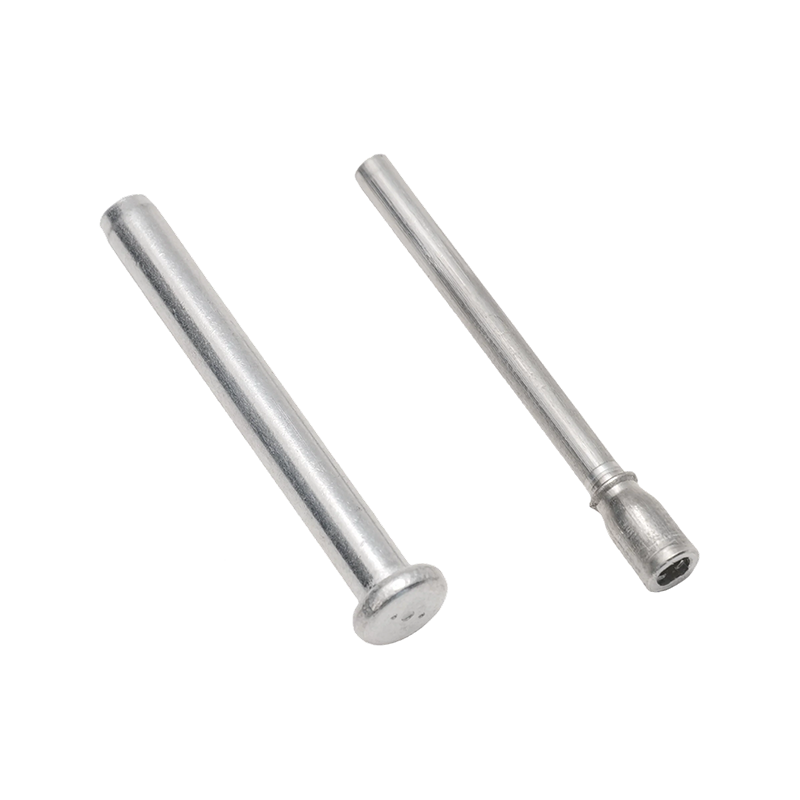
High-strength aluminum alloy wire for rivets is designed to be transformed into rivets through cutting, heading, heat treatment, and sometimes surface finishing. During these operations, the material experiences plastic deformation, thermal exposure, and dimensional control requirements. Therefore, the wire must combine formability with a controlled strengthening potential. It cannot be too brittle during forming, yet it must be capable of reaching high strength after final processing.
The product is mainly used in aviation, aerospace, and military fields. These markets favor aluminum alloy rivets because they provide a favorable strength-to-weight ratio, good compatibility with aluminum structures, and a long record of use in lightweight assemblies. In aircraft and aerospace equipment, every gram saved matters, but the fastener must still resist shear, tensile loads, vibration, thermal variation, and environmental exposure. High-strength aluminum alloy rivet wire helps meet these needs by providing a material base from which reliable rivets can be produced.
The wire is especially significant when made from high-strength precipitation-hardening aluminum alloys. In alloys such as 7075, strengthening is achieved through the formation of fine precipitates during heat treatment. The zinc, magnesium, and copper content contributes to high strength after aging. Proper control of precipitation, grain structure, and impurity levels is essential because these factors influence not only tensile strength but also toughness, corrosion resistance, and long-term durability.
The supplied product information highlights the role of phase and transition-phase strengthening. In practical terms, this means that the alloy can be heat treated to develop fine strengthening phases within the aluminum matrix. These phases impede dislocation movement, which increases strength. Different heat-treatment schedules produce different distributions and sizes of precipitates, allowing engineers to choose a temper suitable for the service environment.
In the T6 state, the material reaches high strength. This condition is often preferred where maximum load-bearing capacity is required and environmental conditions are controlled or corrosion protection is sufficient. In the T73 state, the material offers relatively high fracture toughness, stress corrosion resistance, exfoliation corrosion resistance, and low-temperature performance. This temper is valuable in structural applications where crack resistance and environmental durability are more important than peak strength alone. In the T76 state, the material provides higher strength than T73 and better stress corrosion resistance than T6, making it a balanced choice when both strength and corrosion performance are required.
The product’s rivet-focused positioning distinguishes it from general-purpose aluminum wire. Ordinary aluminum wire may be sufficient for electrical, decorative, or light industrial uses, but rivet wire must be manufactured with tighter process discipline. The combination of high-strength alloy chemistry, uniform wire drawing, controlled surface condition, and stable aging response creates a material suitable for demanding fastening production.
Why Aluminum Rivet Wire Matters in Modern Lightweight Engineering
Modern engineering increasingly depends on lightweight structures. Aircraft, spacecraft, high-speed rail systems, electric vehicles, precision machinery, and defense equipment all benefit from reduced mass. Lower weight can improve fuel efficiency, increase payload capacity, reduce energy consumption, or enhance maneuverability. Aluminum alloys are widely used because they provide a strong combination of light weight, corrosion resistance, machinability, recyclability, and structural performance.
Rivets remain important even in an era of welding, adhesives, and advanced joining methods. Mechanical fastening offers predictable assembly, inspectability, repairability, and compatibility with dissimilar materials. In aerospace manufacturing, rivets are frequently used because they can join thin sheets and structural components without melting the base material. They also allow controlled load transfer and can perform reliably under vibration and fatigue conditions when correctly designed and installed.
The quality of the rivet begins with the quality of the wire. If wire diameter varies excessively, rivet weight and formed dimensions may fluctuate. If the surface has scratches, folds, oxide defects, or contamination, these imperfections can become crack initiation sites during heading or service. If the alloy chemistry is inconsistent, the final heat-treated properties may vary from batch to batch. If the metallurgical structure is not controlled, forming defects or unpredictable mechanical performance can occur.
High-strength aluminum rivet wire therefore serves as a precision material, not a commodity. It must support efficient manufacturing as well as final product reliability. A well-made wire enables stable cutting, clean feeding in automated rivet machines, predictable heading, uniform heat treatment, and reduced rejection rates. For customers, this means lower process loss, more consistent fastener performance, and better confidence in structural assemblies.
Compared with ordinary aluminum wire suppliers, a specialized high-strength aluminum alloy wire manufacturer brings significant advantages. The manufacturing process must account for alloy segregation, hot working behavior, drawing stress, surface cleanliness, intermediate annealing, final temper response, and inspection requirements. Companies with advanced production systems and certified quality management are better positioned to supply rivet wire for critical uses.
Material System and Strengthening Mechanism
High-strength aluminum rivet wire is commonly based on precipitation-hardenable alloy systems. In the 7xxx series, zinc is the principal alloying element, with magnesium and copper contributing to strength and heat-treatment response. Chromium, titanium, zirconium, and other trace elements may be used in specific alloys to control grain structure, recrystallization behavior, and toughness. Aluminum remains the balance of the composition.
The strengthening mechanism depends on solution treatment, quenching, and artificial aging. During solution treatment, alloying elements dissolve into the aluminum matrix. Rapid quenching retains these elements in a supersaturated solid solution. Aging then allows controlled precipitation of fine particles that strengthen the material. The size, distribution, and coherency of these precipitates determine the balance of strength, ductility, toughness, and corrosion resistance.
For rivet wire, this metallurgy must be matched with forming performance. Wire may need to be supplied in a condition suitable for heading before final hardening, or in a condition agreed upon by the customer and manufacturer. The ability to control processing from alloy selection through drawing and heat treatment gives the supplier a major advantage. Stable metallurgical control reduces the risk of cracking, uneven forming, or unpredictable aging.
The product information identifies zinc content as an important chemical composition point, with a range of approximately 5.1 to 6.1 in the context of the rivet product description. The broader listed composition for 7075 includes zinc in the high-strength range, along with copper, magnesium, chromium, and aluminum as the balance. Zinc and magnesium form strengthening precipitates, while copper improves strength and influences precipitation behavior. Properly managed, this alloy system can achieve excellent performance for aerospace fasteners.
However, strength alone is not enough. Aerospace and defense rivets often operate in humid, salty, cyclic, or temperature-changing environments. Stress corrosion cracking and exfoliation corrosion are serious concerns in high-strength aluminum alloys. That is why T73 and T76 conditions are important. They adjust the precipitation structure to improve resistance to environmentally assisted cracking and layered corrosion, while still maintaining useful strength.
Chemical Composition Reference
The following table summarizes selected alloy grades and composition features relevant to high-strength aluminum alloy wire and related aluminum welding or fastening materials. Values are typical ranges or maximums based on the provided product data, and aluminum is the balance unless otherwise noted.
| Alloy Grade | Si | Fe | Cu | Mn | Mg | Cr | Zn | Ti | Zr | Other | Typical Relevance |
|---|---|---|---|---|---|---|---|---|---|---|---|
| 2A10 | 0.25 max | 0.20 max | 3.9-4.5 | 0.30-0.50 | 0.15-0.30 | Not specified | 0.10 max | 0.15 max | Not specified | Controlled impurities | High-strength aluminum alloy wire applications |
| 2219 | 0.20 max | 0.30 max | 5.8-6.8 | 0.2-0.4 | 0.02 max | Not specified | 0.10 max | 0.02-0.10 | Not specified | Controlled impurities | High-temperature and structural aluminum applications |
| 7050 | 0.12 max | 0.15 max | 2.0-2.6 | 0.10 max | 1.9-2.6 | 0.04 max | 5.7-6.7 | 0.06-0.20 | 0.08-0.15 | Controlled impurities | High-strength aerospace aluminum alloy wire |
| 7075 | 0.50 max | 0.50 max | 1.4-2.0 | 0.2-0.6 | 1.8-2.8 | 0.10-0.25 | 5.0-7.0 | 0.05 max | Not specified | Controlled impurities | High-strength rivet wire and aerospace fastener material |
| 5356 | 0.25 max | 0.40 max | 0.10 max | 0.05-0.20 | 4.5-5.5 | 0.05-0.20 | 0.10 max | 0.06-0.20 | Not specified | Controlled impurities | Aluminum alloy welding material |
This composition control is central to product reliability. In high-strength aluminum alloy wire, small compositional deviations may influence solution treatment, precipitation, forming response, corrosion behavior, and final mechanical properties. For rivet producers, consistent chemistry allows predictable production parameters and reduces the need for frequent process adjustment.
Performance Advantages Over Conventional Competitor Products
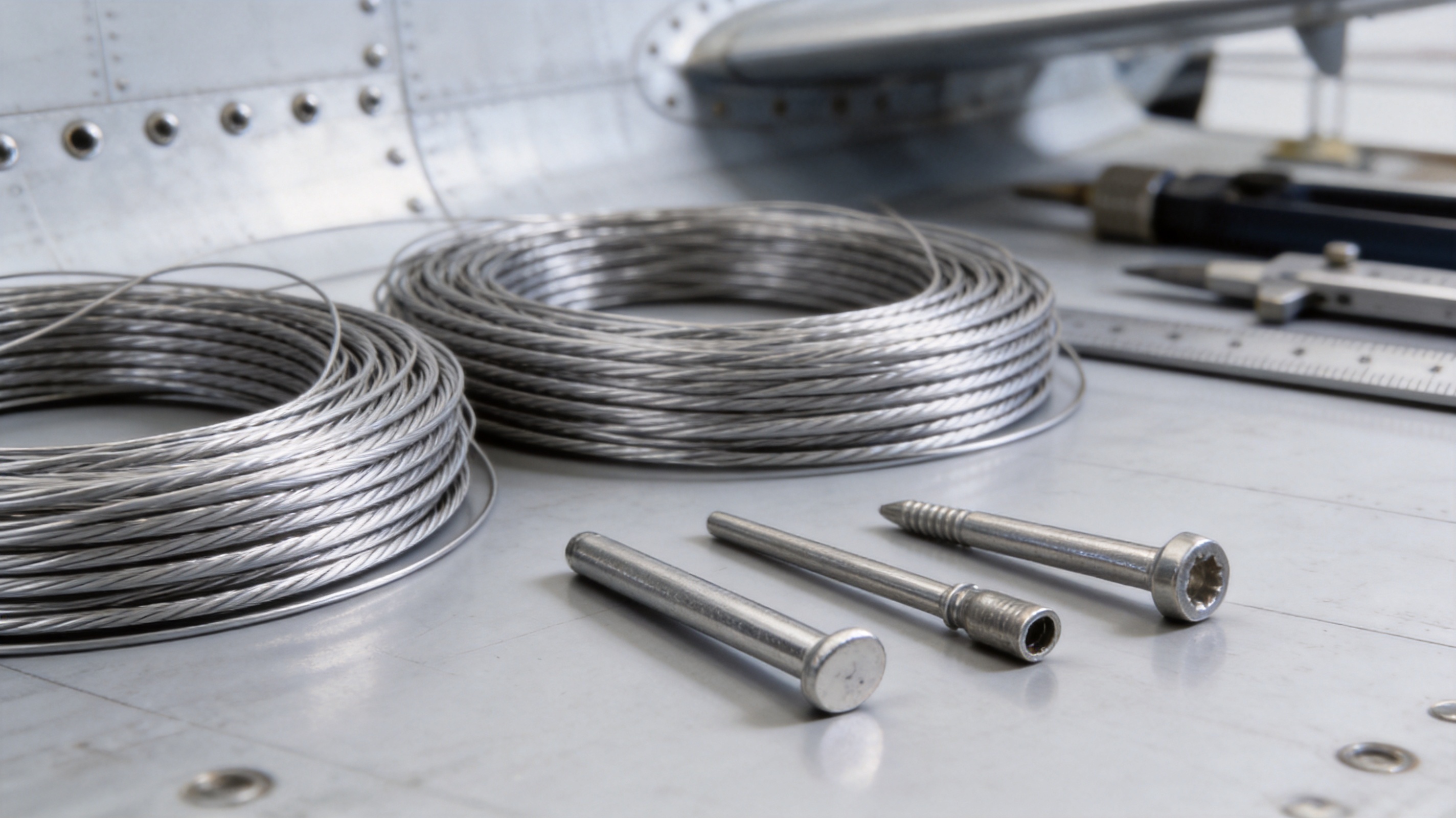
The primary advantage of this high-strength aluminum rivet wire is its balance of strength, processability, and environmental durability. Many competitor products may focus on one property, such as high tensile strength or low price, but aerospace-grade rivet wire must perform across multiple dimensions. A wire that is strong but difficult to form can increase production scrap. A wire that forms easily but lacks heat-treatment response may fail to meet mechanical requirements. A wire that meets initial strength but lacks corrosion resistance may create long-term risk in aircraft or defense structures.
The alloy system used for high-strength rivet wire provides excellent strength-to-weight performance. Compared with steel fastener materials, aluminum alloy rivets offer significant weight reduction and better compatibility with aluminum structures. Compared with lower-strength aluminum wire, high-strength alloy wire can support higher load requirements and more demanding service conditions. This makes it especially suitable for applications where mass reduction and structural safety must be achieved simultaneously.
A second advantage is temper flexibility. The material can be associated with T6, T73, and T76 conditions, each serving a different engineering purpose. T6 offers high strength for applications where maximum mechanical performance is prioritized. T73 offers improved fracture toughness and resistance to stress corrosion and exfoliation corrosion. T76 provides a practical intermediate solution with higher strength than T73 and better stress corrosion resistance than T6. This range allows customers to select material behavior according to the final operating environment rather than being forced into a single performance profile.
A third advantage is the company’s integrated production and quality management capability. Jiangsu Hetuo Aluminum Wire Co., Ltd. has established an intelligent manufacturing system covering high-purity aluminum wire, high-strength aluminum alloy wire, and aluminum and aluminum alloy welding materials. This broad capability supports better material knowledge, process control, and customer customization. Instead of treating rivet wire as a generic drawn product, the company can align raw material selection, alloy processing, wire drawing, inspection, and delivery with the requirements of high-end industrial users.
A fourth advantage is certification-based quality discipline. The company has obtained ISO 9001 and IATF 16949 quality management system certifications. ISO 9001 supports standardized quality management across processes, documentation, corrective actions, and customer satisfaction. IATF 16949, widely associated with the automotive sector, emphasizes defect prevention, process control, traceability, and continuous improvement. These systems are valuable not only for automotive customers but also for any industry requiring reliable batch-to-batch consistency.
A fifth advantage is advanced equipment and full-process inspection. The company introduces advanced equipment and facilities and strictly implements quality inspection throughout production. For rivet wire, this matters greatly. Quality cannot be confirmed only at the final stage. Composition, surface condition, diameter accuracy, internal structure, mechanical properties, and packaging must be managed at multiple checkpoints. Full-process inspection reduces hidden variation and helps identify issues before material reaches the customer’s production line.
A sixth advantage is experience with high-end overseas markets. Products that comply with international quality standards and are exported to high-end overseas markets must meet strict expectations for documentation, consistency, and performance. International customers often require clear communication, stable supply, technical responsiveness, and reliable packaging for long-distance transportation. A supplier already serving such markets is better prepared to support demanding buyers.
Advanced Manufacturing Process
The manufacturing of high-strength aluminum rivet wire involves a series of carefully controlled steps. While specific process parameters depend on alloy grade, diameter, temper, and customer requirements, the essential process chain includes raw material selection, melting and alloying, casting or billet preparation, homogenization, hot working, wire rod preparation, drawing, intermediate heat treatment when needed, final sizing, surface control, inspection, packaging, and delivery.
Raw material selection is the first stage. High-strength aluminum alloys require carefully controlled alloying elements. Zinc, magnesium, copper, manganese, chromium, titanium, zirconium, and other elements must be managed according to the alloy standard and customer specification. Impurities such as iron and silicon are controlled because excessive levels may reduce toughness, formability, corrosion resistance, or surface quality. A supplier with disciplined raw material control can reduce the risk of chemistry-related defects.
Melting and alloying require uniform distribution of elements. In aluminum alloy production, segregation can occur if the melt is not properly managed. Temperature control, melt treatment, stirring, refining, and filtration contribute to chemical uniformity and cleanliness. In high-strength rivet wire, nonmetallic inclusions or oxide defects can affect wire drawing and rivet heading. Therefore, melt cleanliness is essential for stable downstream performance.
Casting or billet preparation forms the starting stock for hot working. A uniform cast structure is important because coarse segregation or porosity can create defects during rolling, extrusion, or drawing. Homogenization heat treatment helps reduce segregation and improve hot workability. By carefully controlling temperature and time, the manufacturer can prepare the alloy for further deformation while improving structural uniformity.
Hot working transforms the cast structure into a more refined form. Depending on the production route, this may include extrusion, rolling, or rod preparation. The goal is to reduce cross-section, refine grains, close internal defects, and create a suitable structure for wire drawing. Process temperature, reduction ratio, lubrication, and cooling are important because they influence final mechanical performance and surface condition.
Wire drawing is one of the most critical stages. The wire is pulled through dies to reduce diameter and improve dimensional accuracy. Drawing must be controlled to avoid surface cracks, excessive work hardening, internal stress, or diameter variation. Lubrication and die quality influence surface smoothness, while reduction schedules influence mechanical behavior. For rivet wire, drawing consistency directly affects automatic feeding, cutting, and heading performance.
Intermediate annealing or heat treatment may be used to restore ductility or control microstructure during multi-pass drawing. High-strength alloys can become hard during deformation, so controlled heat treatment may be necessary to prevent cracking and achieve the required forming condition. The supplier must understand how each alloy responds to temperature and time so that the wire remains suitable for rivet manufacturing.
Final sizing ensures that the wire meets the specified diameter tolerance. In rivet production, wire diameter affects rivet volume, head formation, shank dimensions, and installation performance. Consistent diameter reduces variation in automated production and helps customers maintain process stability. Accurate sizing is especially important for aerospace fasteners, where dimensional requirements are strict.
Surface control is another essential stage. The wire surface must be clean, smooth, and free from harmful defects. Scratches, seams, laps, pits, oxide inclusions, or contamination can cause problems during heading or service. Surface quality also affects customer equipment performance, as rough or contaminated wire can increase die wear, feeding resistance, and production downtime.
Final inspection verifies that the wire meets customer requirements. Inspection may include chemical composition analysis, dimensional measurement, tensile testing, surface examination, hardness testing, metallographic evaluation, and packaging checks. For high-strength aluminum rivet wire, documentation and traceability are also important. Customers need confidence that each batch corresponds to controlled production and verified quality data.
Packaging and delivery protect the wire during transportation and storage. Aluminum wire can be damaged by moisture, handling impact, surface abrasion, or contamination. Proper winding, labeling, moisture protection, and packaging strength help preserve quality until the material reaches the customer’s production line.
Company Manufacturing Strengths
Jiangsu Hetuo Aluminum Wire Co., Ltd. was established in 2019 and is located in the Guannan Economic Development Zone in Lianyungang, Jiangsu Province, China. The company focuses on aluminum alloy materials and is guided by customer needs and customer satisfaction. Its product system covers high-purity aluminum wire, high-strength aluminum alloy wire, and aluminum and aluminum alloy welding materials, enabling it to support a wide range of industrial requirements.
The company’s factory covers approximately 40,000 square meters and has around 60 employees, including about 30 professional managers and technicians. This structure reflects a technical manufacturing orientation, where professional management and engineering support are used to maintain production discipline and product development capability. For customers purchasing rivet wire, such technical support can be important when discussing alloy choice, delivery form, quality standards, or special requirements.
The company introduces advanced equipment and facilities. In aluminum alloy wire production, equipment quality influences consistency. Precision drawing machines, controlled heat-treatment systems, inspection instruments, and stable production lines help reduce variation. Advanced equipment alone is not enough, but when combined with trained personnel and certified quality systems, it creates a strong foundation for reliable production.
The company strictly implements quality inspection throughout production. This full-process approach is essential for high-strength wire because final testing cannot fully recover quality if earlier stages are poorly controlled. By monitoring quality from raw material to final shipment, the manufacturer can detect trends, correct deviations, and provide more stable products to customers.
ISO 9001 and IATF 16949 certifications demonstrate systematic quality management. These certifications support customer confidence because they require documented procedures, process control, internal audits, corrective actions, and continuous improvement. For high-strength aluminum rivet wire used in safety-related assemblies, the presence of certified systems helps buyers manage supplier risk.
The company’s products comply with international quality standards and are exported to many high-end overseas markets. This indicates an ability to satisfy buyers who require reliable specification compliance, professional communication, and dependable logistics. International export experience also encourages a higher level of documentation, packaging, and production consistency.
The company specializes in high-grade aluminum alloy rods, welding wires, and precision profiles. This broad aluminum alloy expertise is useful because rivet wire production benefits from knowledge of alloy behavior across different forms. Understanding welding materials, high-strength rods, and precision profiles helps the company approach wire production with a deeper view of metallurgy, surface quality, and customer applications.
Heat Treatment States: T6, T73, and T76
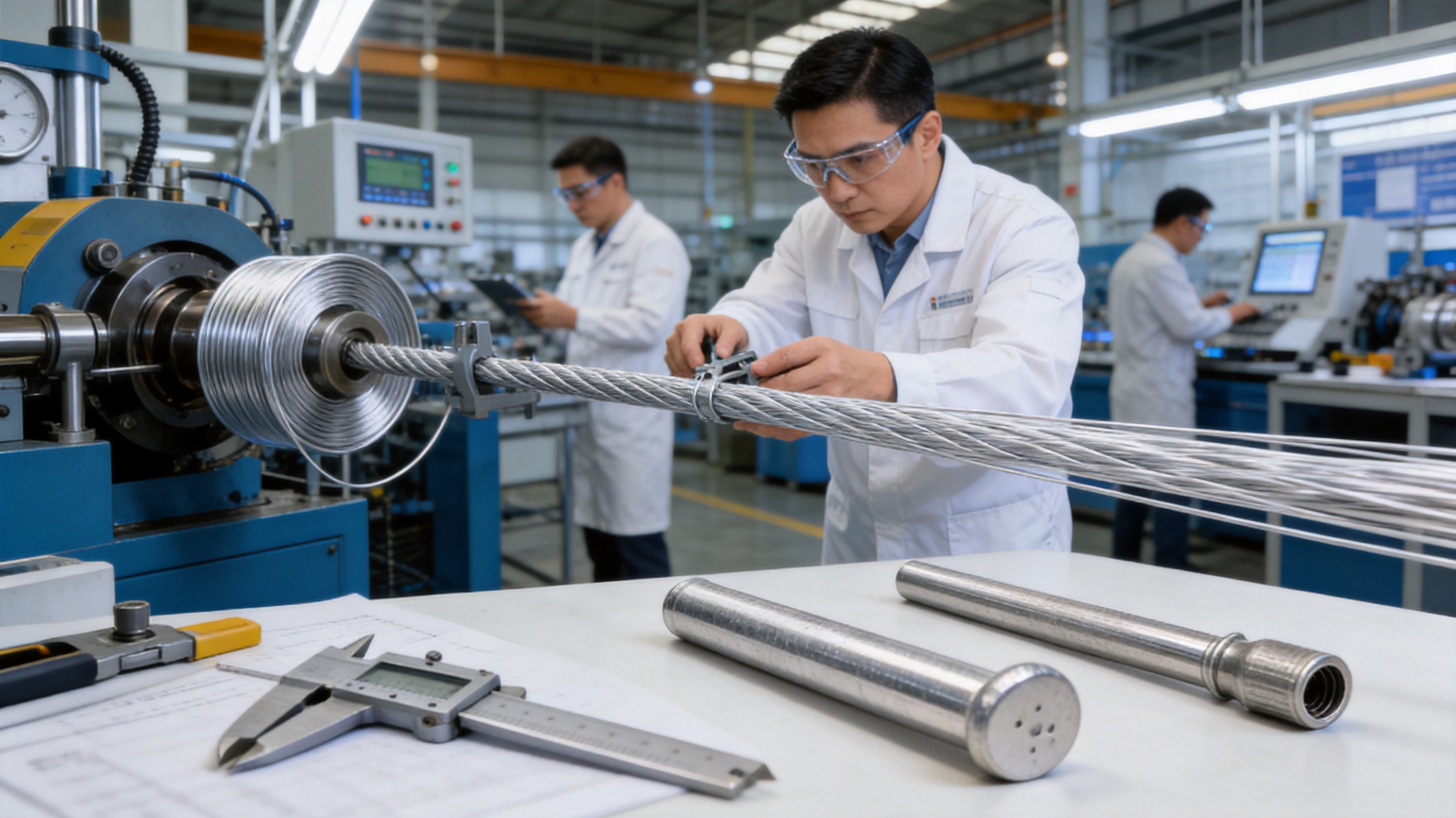
The ability to select suitable temper conditions is one of the defining technical features of high-strength aluminum rivet wire. Heat treatment changes the internal precipitate structure and therefore controls the balance of strength, toughness, corrosion resistance, and low-temperature behavior. For aerospace and defense rivets, this balance is often more important than any single property.
T6 State
The T6 state is known for high strength. It generally involves solution heat treatment followed by artificial aging to develop a dense distribution of strengthening precipitates. For applications requiring maximum mechanical performance, T6 can be attractive. Rivets or fastener components in T6 condition may support higher load-bearing requirements compared with softer tempers.
However, high-strength aluminum alloys in peak-aged conditions may be more sensitive to stress corrosion in certain environments. Therefore, T6 is best selected with a clear understanding of the service environment, surface protection, structural design, and maintenance conditions. When used properly, it offers outstanding strength-to-weight value.
T73 State
The T73 state provides relatively high fracture toughness, stress corrosion resistance, exfoliation corrosion resistance, and low-temperature performance. It is often associated with overaging compared with peak-strength conditions. This changes precipitate characteristics in a way that sacrifices some peak strength but improves resistance to crack growth and environmental damage.
For aircraft and military structures, this trade-off can be extremely valuable. A fastener that retains durability under corrosive and cyclic conditions may provide better long-term safety than a fastener with slightly higher initial strength but lower environmental resistance. T73 is therefore suitable where structural integrity and service life are critical.
T76 State
The T76 state provides higher strength than T73 and higher stress corrosion resistance than T6. It is often chosen as a balanced temper. When engineers need more strength than T73 but better stress corrosion resistance than T6, T76 can provide an effective compromise.
This balance is important in aerospace design because structures are rarely optimized for only one property. Rivets may be exposed to fluctuating stress, moisture, temperature variation, and long service periods. T76 helps address these combined requirements and can reduce the need for excessive overdesign.
Applications in Aviation, Aerospace, and Defense
High-strength aluminum rivet wire is mainly used in aviation, aerospace, and military fields. These sectors are demanding because components must perform reliably under mechanical load, vibration, temperature changes, and environmental exposure. Rivets produced from high-quality aluminum alloy wire can be used in aircraft skin assemblies, internal structural members, frames, panels, equipment housings, and other lightweight structures where suitable design standards permit their use.
In aviation, rivets must support structural joining while minimizing aircraft weight. Aluminum alloy rivets are compatible with aluminum airframes and help reduce galvanic mismatch when used appropriately. The wire used to produce these rivets must deliver consistent forming behavior because aircraft fastener production often involves high-volume precision manufacturing.
In aerospace applications, materials may encounter more extreme temperature variations and stricter reliability requirements. Rivets and fastening materials must maintain properties under service conditions and contribute to structural stability. High-strength aluminum alloy wire with controlled composition and heat-treatment response supports these requirements.
In defense and military equipment, durability, strength, and reliability are crucial. Materials may be used in aircraft, vehicles, protective structures, communication equipment, or specialized systems. High-strength aluminum rivet wire provides a lightweight fastening material that can support rugged performance when properly designed and processed.
Beyond these primary fields, the material may also be relevant to high-end transportation, marine equipment, precision machinery, and advanced industrial assemblies. Whenever lightweight joining, strong mechanical performance, and aluminum compatibility are needed, high-strength aluminum rivet wire may offer value.
Rivet Manufacturing Benefits for Customers
Customers who produce rivets from high-strength aluminum alloy wire benefit from stable wire quality in several ways. First, uniform diameter improves process repeatability. Automated rivet machines rely on consistent material feeding and cutting. If wire diameter fluctuates, rivet volume can vary, causing inconsistent head shape or shank dimensions. Precision wire helps reduce these issues.
Second, clean surface quality reduces forming defects. During heading, the surface of the wire undergoes deformation. Surface scratches or seams can open into cracks or create visible defects. Smooth wire improves the chance of clean head formation and reduces rejection rates.
Third, consistent mechanical condition improves machine performance. If wire hardness or ductility varies, forming force may change, machine settings may drift, and tool life may be affected. Stable wire allows customers to maintain efficient production.
Fourth, reliable chemical composition supports predictable heat-treatment response. Rivet manufacturers often depend on controlled aging to reach final properties. If alloy chemistry varies, heat-treatment results may change. Consistent chemistry reduces uncertainty and improves final product compliance.
Fifth, strong supplier quality management reduces customer inspection burden. Customers still need incoming inspection, especially for critical applications, but a certified and disciplined supplier can reduce risk and support smoother qualification.
Sixth, technical communication supports customization. Different customers may require different diameters, packaging forms, alloy grades, tempers, or inspection documentation. A manufacturer with professional technical personnel can discuss these requirements and provide suitable production support.
Quality Control and Inspection Philosophy
Quality control for high-strength aluminum rivet wire must begin before production and continue after shipment. A robust quality philosophy includes prevention, verification, traceability, and improvement. Prevention means designing processes to avoid defects rather than only sorting out bad products later. Verification means testing and inspection to confirm compliance. Traceability means connecting each batch with production data and inspection records. Improvement means using feedback and data to reduce variation over time.
Chemical composition inspection confirms that alloying elements fall within specification. For high-strength alloys, this is essential because elements such as zinc, magnesium, and copper determine precipitation behavior. Impurity control also matters because excessive iron, silicon, or other elements may reduce performance.
Dimensional inspection verifies diameter and tolerance. Diameter control affects rivet volume, heading quality, and customer process stability. In precision applications, even small dimensional deviations can create production problems.
Surface inspection identifies defects that could affect forming or service. Visual inspection, magnification, or other surface evaluation methods may be used depending on requirements. Clean, smooth wire is especially important for rivet heading.
Mechanical testing evaluates tensile strength, elongation, hardness, or other properties depending on supply condition. These tests help confirm that the wire has the desired processability and final performance potential.
Metallurgical evaluation may be used for critical applications. Grain structure, inclusions, segregation, or heat-treatment response can influence performance. Although not every order requires detailed metallography, the ability to evaluate internal structure strengthens the supplier’s technical capability.
Packaging inspection ensures that the product is protected for shipment. Wire coils must be wound properly, labeled clearly, and protected from moisture, impact, and contamination. Good packaging preserves the quality created during production.
Comparison with General Aluminum Wire
General aluminum wire is often selected for conductivity, flexibility, corrosion resistance, decorative use, or light mechanical function. It may be made from commercially pure aluminum or lower-strength alloys. Such wire can be excellent for its intended purpose, but it is not necessarily suitable for high-strength rivets.
High-strength aluminum rivet wire requires more precise alloy control. Elements such as zinc, magnesium, and copper must be balanced to produce the desired heat-treatment response. General aluminum wire may not contain these strengthening elements or may not be processed for precipitation hardening.
High-strength rivet wire also requires more careful surface control. Rivet heading imposes severe local deformation, so surface defects can become serious. General wire used for noncritical applications may tolerate surface conditions that would be unacceptable for rivet production.
Dimensional precision is also more important for rivet wire. A rivet blank is cut from the wire, and its volume determines the formed rivet geometry. General wire may not require the same level of volume consistency.
Finally, high-strength rivet wire must be supported by stronger quality documentation. Customers in aerospace, defense, and high-end manufacturing often require batch control, inspection data, and stable supply. A specialized manufacturer is better positioned to satisfy these expectations than a supplier focused only on commodity wire.
Sustainability and Lightweight Value
Aluminum alloys are important in sustainable engineering because they help reduce weight and can contribute to lower energy consumption during product use. In aircraft and transportation systems, reducing mass can improve fuel efficiency or extend operating range. Although the production of aluminum requires energy, its long service life and recyclability support sustainability goals when properly managed.
High-strength aluminum rivet wire supports sustainability by enabling lighter structural fastening. When strong aluminum alloy rivets replace heavier fastening solutions in suitable applications, the final structure may become lighter without sacrificing reliability. This is especially important in aerospace and advanced transportation, where weight savings multiply over the life of the equipment.
Jiangsu Hetuo Aluminum Wire Co., Ltd. aims to provide lighter, stronger, and more sustainable aluminum alloy wire and welding material solutions for global industries. This direction aligns with the broader trend toward efficient materials, improved manufacturing quality, and durable lightweight structures.
Procurement Considerations for Aluminum Rivet Wire
When selecting aluminum rivet wire, buyers should consider more than price. The first consideration is alloy grade. The selected alloy must match the final rivet specification, forming process, heat treatment, and service environment. For high-strength aerospace applications, alloys such as 7075 may be considered when suitable for the design and standard requirements.
The second consideration is chemical composition control. Buyers should confirm that the supplier can provide composition within the required range and maintain batch consistency. For 7075-type material, zinc, magnesium, and copper levels are especially important.
The third consideration is supply condition. The wire must be delivered in a condition suitable for the customer’s processing route. Some customers may require wire optimized for cold heading, while others may require specific heat-treatment states or mechanical properties.
The fourth consideration is diameter and tolerance. Buyers should specify diameter clearly and confirm tolerance requirements. Tight tolerance may improve rivet consistency and reduce machine adjustment.
The fifth consideration is surface quality. Rivet wire should be free from harmful defects. Customers should communicate surface expectations and inspection standards before ordering.
The sixth consideration is documentation. For critical applications, material certificates, inspection records, traceability information, and quality system documentation may be required.
The seventh consideration is supplier capability. A reliable supplier should have advanced equipment, technical personnel, quality certifications, production capacity, and experience serving demanding markets. Jiangsu Hetuo Aluminum Wire Co., Ltd. offers these strengths through its manufacturing system, certified quality management, and focus on high-grade aluminum alloy materials.
Frequently Asked Questions
What is high-strength aluminum rivet wire?
High-strength aluminum rivet wire is aluminum alloy wire designed for producing rivets used in structural applications. It combines controlled alloy composition, forming performance, heat-treatment response, and surface quality to support reliable rivet manufacturing.
Where is this rivet wire mainly used?
It is mainly used in aviation, aerospace, and military fields. It may also be suitable for other high-end lightweight structures where strong aluminum alloy rivets are required.
Why is 7075 aluminum alloy important for rivet wire?
7075 is a high-strength aluminum alloy containing zinc, magnesium, copper, and other controlled elements. It can achieve excellent strength through precipitation hardening, making it valuable for demanding fastening and structural applications.
What is the advantage of the T6 state?
The T6 state provides high strength. It is suitable when maximum mechanical performance is a priority and the service environment, corrosion protection, and design conditions are properly considered.
What is the advantage of the T73 state?
The T73 state offers relatively high fracture toughness, improved stress corrosion resistance, exfoliation corrosion resistance, and low-temperature performance. It is useful where durability and environmental resistance are critical.
What is the advantage of the T76 state?
The T76 state provides higher strength than T73 and better stress corrosion resistance than T6. It is a balanced choice for applications requiring both strength and corrosion performance.
Why does chemical composition matter so much?
Chemical composition determines heat-treatment response, strength, toughness, corrosion resistance, and forming behavior. In high-strength alloys, elements such as zinc, magnesium, and copper must be controlled carefully.
Why is surface quality important for rivet wire?
During rivet heading, the wire surface undergoes deformation. Surface defects such as scratches, seams, pits, or contamination can cause cracks, poor head formation, or reduced service reliability.
How does the manufacturer ensure quality?
Jiangsu Hetuo Aluminum Wire Co., Ltd. uses advanced equipment, full-process quality inspection, and certified quality management systems including ISO 9001 and IATF 16949. These systems support consistent production and reliable product delivery.
What makes this product competitive against ordinary aluminum wire?
It offers high-strength alloy chemistry, controlled heat-treatment potential, rivet-focused surface and dimensional quality, and manufacturing discipline suited for critical applications. Ordinary aluminum wire generally does not provide the same strength, consistency, or fastening-specific performance.
Conclusion
High-strength aluminum rivet wire is a critical material for lightweight structural fastening. Its value lies in the combination of high strength, reliable formability, controlled composition, stable heat-treatment response, and durable performance in demanding environments. For aviation, aerospace, defense, and other high-end industries, the right rivet wire can improve production efficiency, reduce risk, and support long-term structural reliability.
The product’s association with high-strength alloy systems, especially 7075-type chemistry, gives it strong potential for aerospace fastening. The availability of T6, T73, and T76 performance concepts allows engineers and manufacturers to select a balance between strength, toughness, stress corrosion resistance, exfoliation corrosion resistance, and low-temperature behavior. This flexibility is a major advantage over materials that offer only a single performance profile.
Jiangsu Hetuo Aluminum Wire Co., Ltd. strengthens the product’s market value through advanced manufacturing capability, intelligent production systems, strict quality inspection, ISO 9001 and IATF 16949 certifications, technical personnel, and experience serving high-end overseas markets. Its focus on high-purity aluminum wire, high-strength aluminum alloy wire, and aluminum alloy welding materials gives it a broad foundation in aluminum alloy processing.
For customers seeking aluminum rivet wire, the best supplier is not merely the lowest-cost source. It is a manufacturer capable of controlling metallurgy, dimensions, surface quality, inspection, packaging, and delivery reliability. High-strength aluminum rivet wire from a capable producer helps customers build stronger, lighter, and more dependable fastening solutions for the next generation of advanced structures.
References
ASM International. Aluminum and Aluminum Alloys. ASM Specialty Handbook.
ASM International. Heat Treating of Nonferrous Alloys. ASM Handbook, Volume 4E.
Davis, J. R. Aluminum and Aluminum Alloys. ASM International.
Starke, E. A., and Staley, J. T. Application of Modern Aluminum Alloys to Aircraft. Progress in Aerospace Sciences.
Polmear, I. J., StJohn, D., Nie, J. F., and Qian, M. Light Alloys: Metallurgy of the Light Metals.
International Organization for Standardization. ISO 9001 Quality Management Systems Requirements.
International Automotive Task Force. IATF 16949 Automotive Quality Management System Standard.