

 English
 中文简体
中文简体 русский
 Deutsch
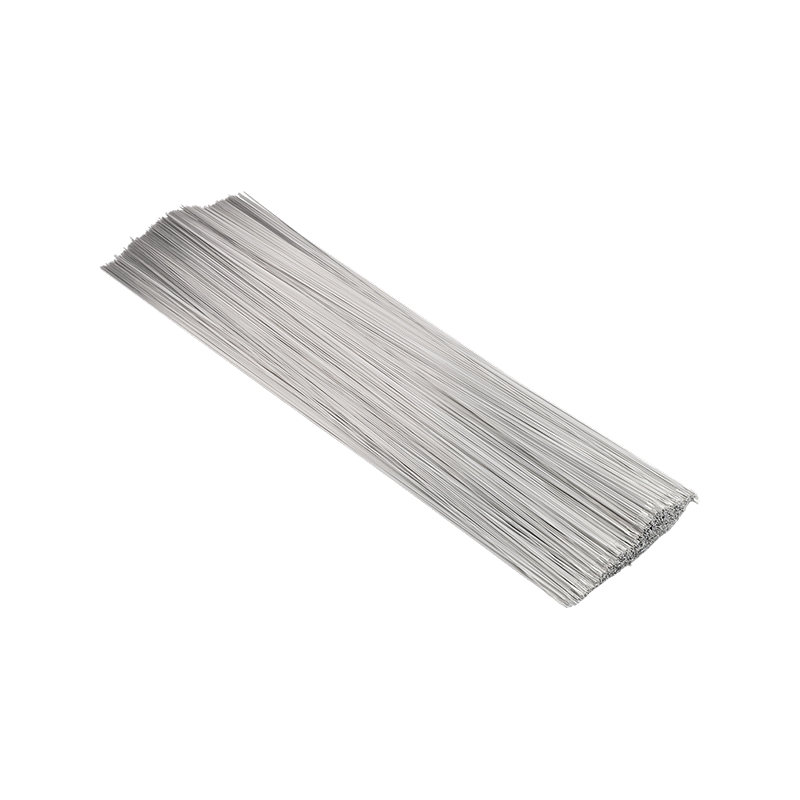
High-strength aluminum alloy wire for rivets is a specialized material designed for applications where lightweight construction, reliable fastening performance, corrosion resistance, and consistent mechanical strength are all required at the same time.
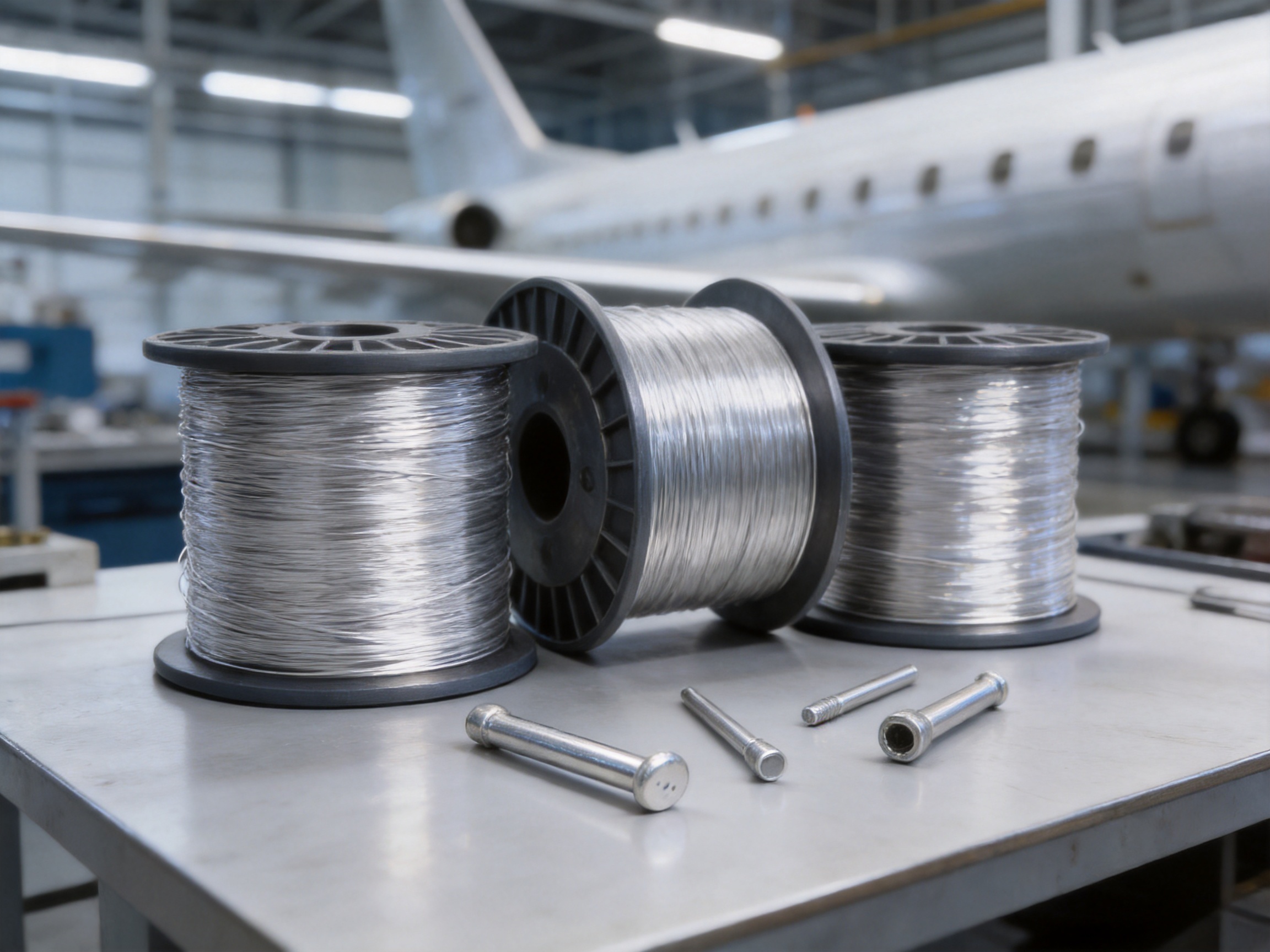
In aviation, aerospace, defense, transportation, and precision manufacturing, rivets are not simple connecting parts; they are structural elements that help maintain load transfer, fatigue resistance, and long-term safety under complex service conditions.
The product discussed here is a high-strength aluminum alloy wire used for rivet production, especially suitable for demanding fields such as aircraft structures, aerospace assemblies, and military equipment where material stability and traceable quality are essential.
Jiangsu Hetuo Aluminum Wire Co., Ltd. manufactures aluminum wire, aluminum alloy wire, high-purity aluminum wire, high-strength aluminum alloy wire, and aluminum and aluminum alloy welding materials with a production system designed to support precision, consistency, and international quality requirements.
The company was established in 2019 and is located in the Economic Development Zone of Guannan County, Lianyungang City, Jiangsu Province, China.
Its factory covers approximately 40,000 square meters and operates with a professional team of production personnel, managers, and technicians, supporting the development and supply of aluminum alloy wire products for demanding industrial markets.
For rivet wire, the company focuses on chemical composition control, surface quality, dimensional accuracy, stable processing performance, and the ability to support different heat treatment states such as T6, T73, and T76, depending on the performance needs of the final rivet application.
Content
- 1 Product Overview
- 2 Why Rivet Wire Quality Matters
- 3 Key Product Advantages
- 4 Chemical Composition and Alloy Characteristics
- 5 Heat Treatment States: T6, T73, and T76
- 6 Manufacturing Strengths of Jiangsu Hetuo Aluminum Wire Co., Ltd.
- 7 Advantages Over Typical Competitors
- 8 Applications in Aviation, Aerospace, and Military Fields
- 9 Rivet Production Benefits for Downstream Manufacturers
- 10 Surface, Packaging, and Handling Considerations
- 11 How to Select the Right Rivet Wire
- 12 Sustainability and Lightweight Engineering
- 13 Quality Assurance and Customer Confidence
- 14 Commercial Value for Global Buyers
- 15 Frequently Asked Questions
- 15.1 What is high-strength aluminum alloy wire for rivets?
- 15.2 Which alloy grades are commonly associated with this product?
- 15.3 Why is 7075 aluminum alloy often used for rivet wire?
- 15.4 What is the difference between T6, T73, and T76 tempers?
- 15.5 Why is chemical composition control important?
- 15.6 How does high-quality rivet wire help rivet manufacturers?
- 15.7 What makes Jiangsu Hetuo Aluminum Wire Co., Ltd. competitive?
- 15.8 Can the wire be customized?
- 15.9 What industries use this rivet wire?
- 15.10 Why should buyers avoid choosing rivet wire based only on price?
- 16 Conclusion
- 17 References
- 18 Product: For Rivets
Product Overview
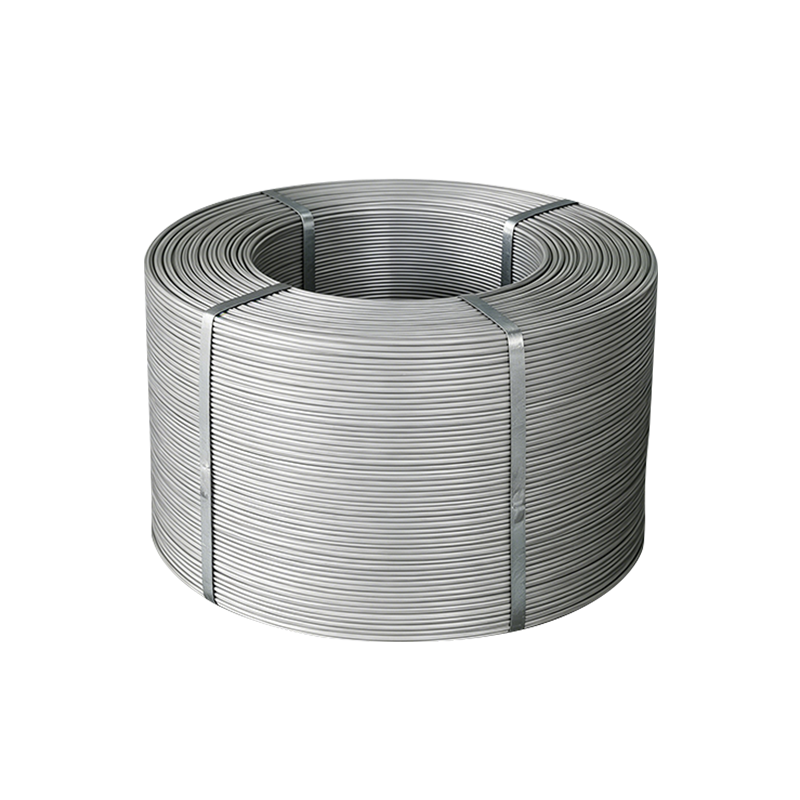
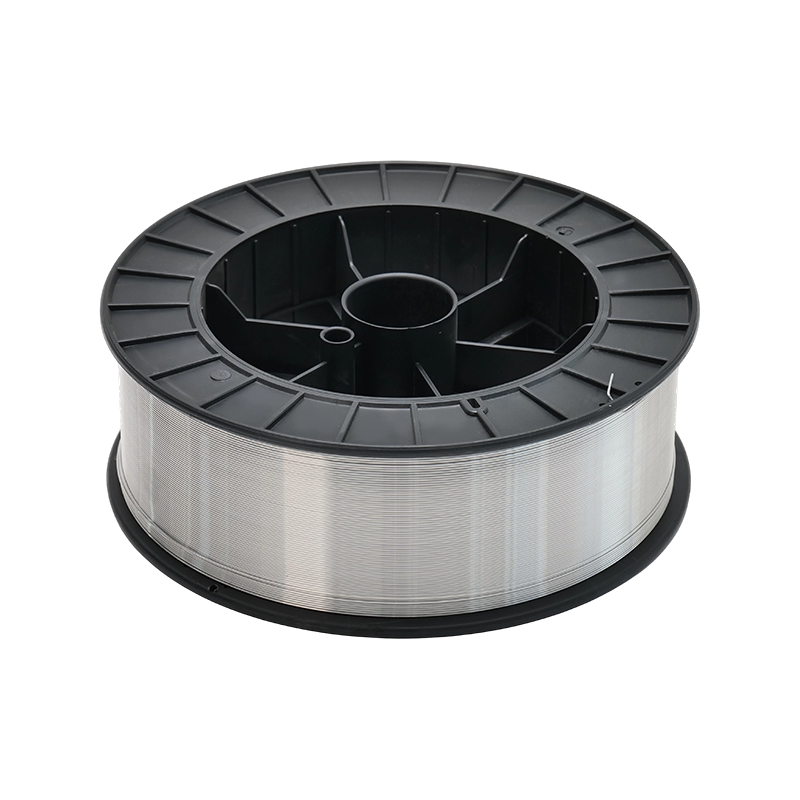
The rivet wire product belongs to the category of high-strength aluminum alloy wire.
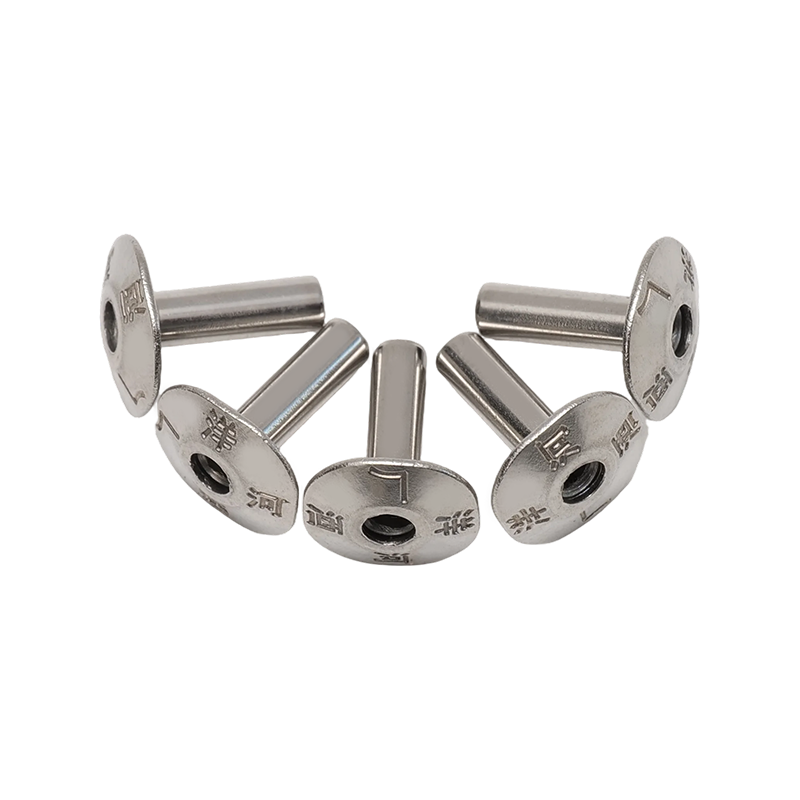
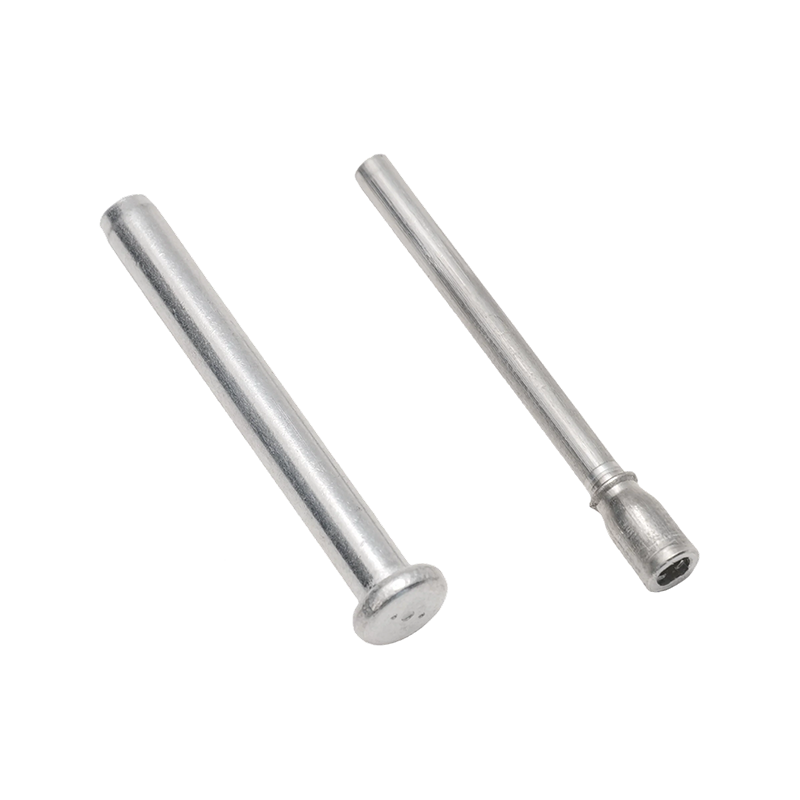
It is mainly used for manufacturing aluminum alloy rivets applied in aviation, aerospace, military, and other high-performance structural fields.
Compared with ordinary aluminum wire, high-strength aluminum alloy rivet wire is engineered to provide a better combination of tensile strength, toughness, corrosion resistance, and forming reliability.
Aluminum rivets produced from such wire are valued because they contribute to lightweight structure design without sacrificing fastening security.
In aircraft and aerospace assemblies, every gram matters, but so does every fastening point.
A rivet must be light enough to support weight reduction, strong enough to transfer load, ductile enough for installation, and stable enough to maintain performance after exposure to vibration, temperature variation, humidity, and corrosive environments.
This is why the selection of aluminum alloy wire for rivets requires careful attention to alloy system, purity, impurity control, surface condition, wire diameter tolerance, heat treatment response, and batch consistency.
The product can include high-strength aluminum alloy grades such as 7075, 7050, 2A10, and 2219, depending on customer requirements and application conditions.
Among these, 7075 aluminum alloy is widely recognized for its high strength due to its zinc, magnesium, and copper alloying system.
7050 aluminum alloy is known for high strength, toughness, and improved resistance to stress corrosion cracking in appropriate tempers.
2A10 and 2219 aluminum alloys are aluminum-copper based materials used in structural applications that require reliable mechanical properties and heat treatment response.
The supplied material can be customized according to required grade, wire diameter, mechanical property targets, surface condition, and packaging needs.
Why Rivet Wire Quality Matters
Rivets are often small components, but their performance affects the integrity of much larger systems.
In aerospace structures, rivets may be used to join skin panels, frames, ribs, brackets, reinforcements, and internal structural components.
If rivet material quality is inconsistent, problems can occur during heading, forming, installation, or long-term service.
Common risks include cracking during forming, poor dimensional repeatability, unstable mechanical strength, surface defects, low fatigue resistance, corrosion sensitivity, and reduced fastening reliability.
High-quality aluminum alloy rivet wire helps reduce these risks by providing uniform metallurgy from coil to coil and stable processing behavior from batch to batch.
For customers producing rivets at scale, this consistency directly supports production efficiency.
Wire that forms smoothly can reduce tool wear, minimize scrap, improve heading speed, and increase finished rivet qualification rates.
For end users, stable rivet quality supports structural reliability, maintenance confidence, and compliance with demanding technical standards.
Compared with general-purpose aluminum wire suppliers, a manufacturer focused on high-strength aluminum alloy wire must control not only shape and dimension but also internal metallurgical quality.
This includes alloying accuracy, hydrogen control, oxide management, inclusion reduction, homogenization, deformation processing, annealing or solution treatment response, and final inspection.
Jiangsu Hetuo Aluminum Wire Co., Ltd. positions its manufacturing strengths around this complete quality chain, serving customers who require more than basic aluminum wire supply.
Key Product Advantages
High Strength for Critical Fastening
The major advantage of high-strength aluminum alloy rivet wire is its ability to support rivets with elevated mechanical strength.
Alloys such as 7075 and 7050 can achieve excellent strength levels after suitable heat treatment because of precipitation strengthening mechanisms involving alloying elements such as zinc, magnesium, and copper.
In the T6 condition, these alloys can deliver high strength, making them suitable for applications where load-bearing capacity is a primary design requirement.
For structural rivets used in aircraft and aerospace components, high strength helps maintain joint integrity under repeated loading and vibration.
Compared with softer commercial-purity aluminum wire, high-strength aluminum alloy rivet wire provides much better load-carrying potential.
This allows designers and fastener producers to meet demanding structural requirements while preserving the lightweight benefits of aluminum.
Balanced Toughness and Corrosion Resistance
Strength alone is not enough for critical rivet applications.
Materials used in aircraft, aerospace, and military systems must also withstand crack initiation, crack propagation, humidity, atmospheric exposure, and stress corrosion conditions.
The T73 temper is valued because it can provide relatively high fracture toughness and improved resistance to stress corrosion and exfoliation corrosion compared with certain higher-strength conditions.
The T76 temper can offer higher strength than T73 while maintaining better stress corrosion resistance than T6.
This means customers can choose a performance balance according to the service environment and design priorities.
Competitors who only provide standard wire without temper strategy support may not fully address this balance between strength, toughness, and corrosion resistance.
By offering material knowledge and process support for multiple temper conditions, Jiangsu Hetuo Aluminum Wire Co., Ltd. helps customers select wire that is more suitable for the final rivet function.
Reliable Forming Performance
Rivet wire must be capable of being cut, headed, formed, and installed without unexpected cracking or surface failure.
This requires a controlled microstructure and clean surface condition.
Even a high-strength alloy must have appropriate processing plasticity before final use.
Good rivet wire should show stable deformation behavior during cold heading or other rivet-forming processes.
It should also have uniform hardness distribution, low surface defect levels, and consistent diameter tolerance.
When wire quality is stable, rivet manufacturers can maintain higher production speed and reduce downtime caused by tool adjustment, wire breakage, or part rejection.
This is a practical advantage over lower-grade suppliers whose material may meet only basic composition requirements but fail in forming consistency.
Lightweight Structural Value
Aluminum alloy rivets provide an important lightweight fastening solution.
Compared with many steel fasteners, aluminum rivets reduce mass and can improve compatibility with aluminum structural components.
In aviation and aerospace, weight reduction improves fuel efficiency, range, payload capability, and energy performance.
In vehicles and other transportation equipment, lightweight fastening contributes to lower energy consumption and improved efficiency.
The value of the wire is therefore not limited to its own material cost.
It supports broader engineering goals, including lightweight design, lower operating cost, and more sustainable manufacturing.
Customizable Alloy and Specification Support
Customers may require different alloy grades, wire diameters, surface conditions, coil packages, or mechanical property ranges.
Rivet producers serving aerospace or defense customers often need strict specification control and reliable documentation.
Jiangsu Hetuo Aluminum Wire Co., Ltd. provides customized aluminum alloy wire solutions based on customer application requirements.
Its product system covers high-purity aluminum wire, high-strength aluminum alloy wire, and aluminum and aluminum alloy welding materials, giving the company a broad material foundation for technical support.
This range is useful for customers who purchase multiple aluminum wire products and want a supplier with wide alloy processing capability.
Chemical Composition and Alloy Characteristics
Chemical composition is the foundation of high-strength aluminum alloy wire performance.
Small variations in zinc, magnesium, copper, chromium, titanium, zirconium, iron, silicon, and other elements can influence strength, toughness, corrosion resistance, workability, and heat treatment response.
For rivet wire, the composition must be controlled to meet applicable standards and customer specifications.
Alloy 7075, for example, typically contains zinc as the principal alloying element, combined with magnesium and copper to create a strong precipitation-hardening aluminum alloy.
The provided material information indicates zinc content for related rivet wire in the range of approximately 5.1 to 6.1 in one description, while the table data lists a broader 7075 zinc range of 5.0 to 7.0.
Such high zinc content is central to the alloy’s ability to reach high strength after heat treatment.
Alloy 7050 includes zinc, magnesium, copper, and zirconium, and is commonly associated with high strength and improved toughness in aerospace structural applications.
Alloy 2219 is an aluminum-copper alloy known for structural use, while 2A10 is also based on aluminum-copper strengthening.
The following table summarizes selected high-strength aluminum alloy wire grades and typical chemical composition information from the provided product data.
| Grade | Si | Fe | Cu | Mn | Mg | Cr | Zn | Ti | Zr | Other Single | Other Total | Al |
| 2A10 | 0.25 | 0.20 | 3.9-4.5 | 0.30-0.50 | 0.15-0.30 | — | 0.10 | 0.15 | — | 0.05 | 0.10 | Rest |
| 2219 | 0.20 | 0.30 | 5.8-6.8 | 0.2-0.4 | 0.02 | — | 0.10 | 0.02-0.1 | — | 0.05 | 0.15 | Rest |
| 7050 | 0.12 | 0.15 | 2.0-2.6 | 0.10 | 1.9-2.6 | 0.04 | 5.7-6.7 | 0.06-0.20 | 0.08-0.15 | 0.05 | 0.15 | Rest |
| 7075 | 0.50 | 0.50 | 1.4-2.0 | 0.2-0.6 | 1.8-2.8 | 0.10-0.25 | 5.0-7.0 | 0.05 | — | 0.05 | 0.10 | Rest |
The table shows why these materials are categorized as high-strength aluminum alloy wire rather than ordinary aluminum wire.
The alloy systems are intentionally designed to generate strengthening phases after thermal processing.
For 7xxx series alloys, zinc and magnesium form strengthening precipitates, while copper can further improve strength response.
Chromium, zirconium, titanium, and other minor additions can help refine structure, control recrystallization, or improve stability depending on the alloy design.
Impurity elements such as iron and silicon must be controlled because excessive levels may reduce ductility, toughness, corrosion resistance, or surface quality.
Jiangsu Hetuo Aluminum Wire Co., Ltd. emphasizes full-process quality inspection and international quality management systems, which are particularly important for controlling these composition-sensitive properties.
Heat Treatment States: T6, T73, and T76
The performance of high-strength aluminum alloy rivet wire is closely connected with heat treatment.
Heat treatment changes the distribution and size of strengthening precipitates within the aluminum matrix.
By adjusting solution treatment, quenching, aging temperature, and aging time, manufacturers can tune the relationship between strength, toughness, corrosion resistance, and stress corrosion cracking resistance.
T6 State
The T6 state is widely used when high strength is the primary requirement.
In T6, the alloy is solution heat treated and artificially aged to achieve a high level of precipitation strengthening.
For high-strength 7xxx series aluminum alloys, T6 can provide excellent tensile strength and hardness.
This makes it suitable for rivet applications that must support high static load.
However, in some environments, T6 may have lower stress corrosion resistance than overaged conditions such as T73 or T76.
Therefore, T6 should be selected when the design calls for maximum strength and the service environment is properly considered.
T73 State
The T73 state is an overaged condition developed to improve resistance to stress corrosion cracking and exfoliation corrosion.
It may have lower strength than T6, but it provides better fracture toughness and corrosion-related durability.
For aerospace components operating in humid or corrosive environments, T73 may be preferred when long-term reliability is more important than achieving the highest possible strength.
The provided product information highlights that T73 has relatively high fracture toughness, stress corrosion resistance, exfoliation corrosion resistance, and low-temperature performance.
This combination is valuable for critical riveted joints exposed to complex service conditions.
T76 State
The T76 state provides a balance between T6 and T73.
It has higher strength than T73 while offering higher stress corrosion resistance than T6.
This makes T76 attractive for customers looking for a balanced performance profile in high-strength rivet applications.
In practical engineering, the ideal temper is not always the one with the highest strength number.
The correct choice depends on joint design, environment, fatigue requirements, corrosion exposure, installation process, and inspection standards.
A supplier with deep process understanding can help customers choose a more appropriate product condition.
Manufacturing Strengths of Jiangsu Hetuo Aluminum Wire Co., Ltd.
Jiangsu Hetuo Aluminum Wire Co., Ltd. has built an intelligent manufacturing system covering high-purity aluminum wire, high-strength aluminum alloy wire, and aluminum and aluminum alloy welding materials.
This integrated production capability is important because high-strength rivet wire requires both metallurgical control and precision wire processing.
The company introduces advanced equipment and facilities, implements strict quality inspection throughout production, and operates under ISO 9001 and IATF 16949 quality management system certifications.
These certifications demonstrate a commitment to systematic quality control, process traceability, continuous improvement, and customer-oriented manufacturing.
For aerospace and high-end industrial customers, such systems are essential because they reduce the risk of variability and support repeatable product quality.
The company’s manufacturing advantages can be understood through several process stages.
Raw Material and Alloy Control
The first stage is control of raw aluminum and alloying materials.
High-strength aluminum alloys are sensitive to both intended alloying additions and unintended impurities.
By controlling material input and chemical composition, the company supports stable alloy performance in later processing.
Raw material management also supports traceability, allowing production batches to be linked with inspection records and customer requirements.
Melting and Refining
During melting, aluminum and alloying elements must be blended uniformly.
The melt must be refined to reduce hydrogen, inclusions, oxides, and other defects that could affect wire quality.
In high-strength rivet wire, internal defects can reduce ductility or cause breakage during drawing and heading.
Advanced melting and refining practices help create cleaner material and improve the reliability of downstream processing.
Casting and Homogenization
After melting, controlled casting produces rods or billets for further processing.
Homogenization is often used to reduce segregation and improve hot or cold workability.
For alloys with high levels of zinc, magnesium, and copper, homogenization helps create a more uniform structure before deformation.
This improves subsequent rolling, extrusion, drawing, or wire forming operations.
Competitors with less controlled casting or homogenization may experience more variation in mechanical properties and forming behavior.
Deformation Processing
Wire production requires controlled deformation through rolling, drawing, or related processes.
The reduction schedule influences grain structure, surface condition, internal stress, and final dimensional accuracy.
High-strength aluminum alloy wire must be processed carefully because excessive strain, improper lubrication, poor die condition, or uncontrolled temperature may cause surface defects or internal damage.
Jiangsu Hetuo Aluminum Wire Co., Ltd. uses advanced equipment to support stable wire dimensions and surface quality.
For rivet manufacturers, this means smoother feeding, more stable cutting, and more consistent heading performance.
Intermediate and Final Heat Treatment
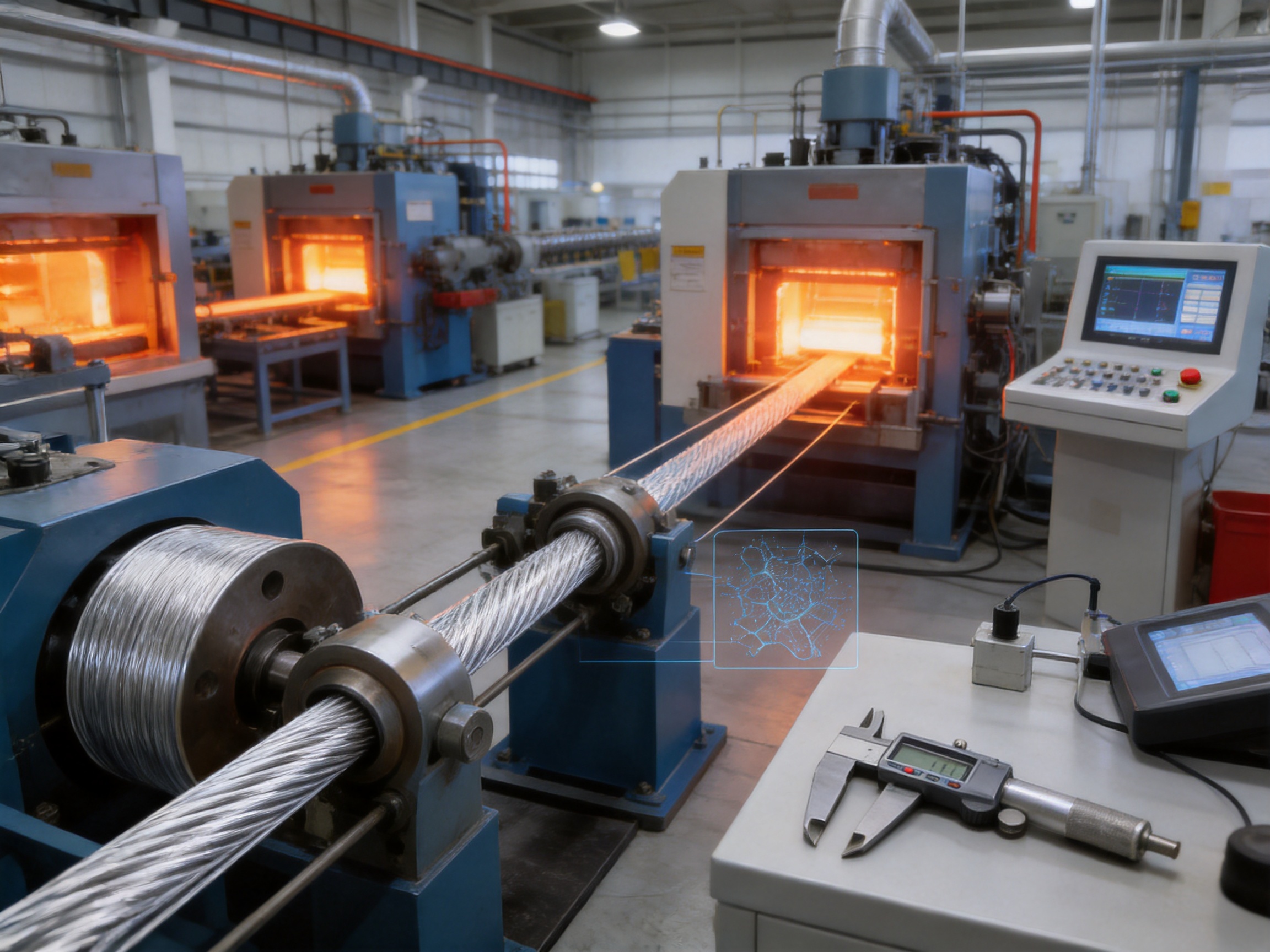
Heat treatment is a critical process for controlling the final properties of high-strength aluminum alloy wire.
Depending on the grade and application, solution treatment, quenching, aging, annealing, or stress-relief processes may be required.
The company’s ability to manage different temper requirements helps customers obtain rivet wire suitable for specific performance targets.
Heat treatment control includes furnace temperature accuracy, holding time, quenching conditions, aging parameters, and post-treatment inspection.
Inconsistent heat treatment can create uneven hardness, poor strength, low ductility, or unstable corrosion resistance.
Therefore, controlled heat treatment is a key competitive advantage.
Surface Quality Management
Surface quality is especially important for rivet wire because surface defects can become crack initiation sites during forming or service.
Scratches, folds, pits, oxides, and contamination can reduce reliability.
Good wire must have a clean, smooth, and uniform surface suitable for automated rivet production.
The company’s quality inspection system helps identify and control such defects before shipment.
This gives customers greater confidence in production efficiency and finished rivet quality.
Dimensional Accuracy
Rivet wire diameter accuracy directly affects rivet volume, head formation, shank size, and mechanical performance.
If diameter variation is too large, rivet manufacturers may face inconsistent heading, unstable weight, tool wear, and nonconforming dimensions.
Precision drawing and inspection help ensure that the supplied wire meets customer tolerance requirements.
Compared with lower-cost suppliers that may focus mainly on tonnage output, Jiangsu Hetuo Aluminum Wire Co., Ltd. emphasizes precision and consistency to support high-end applications.
Full-Process Inspection
The company strictly implements quality inspection throughout production.
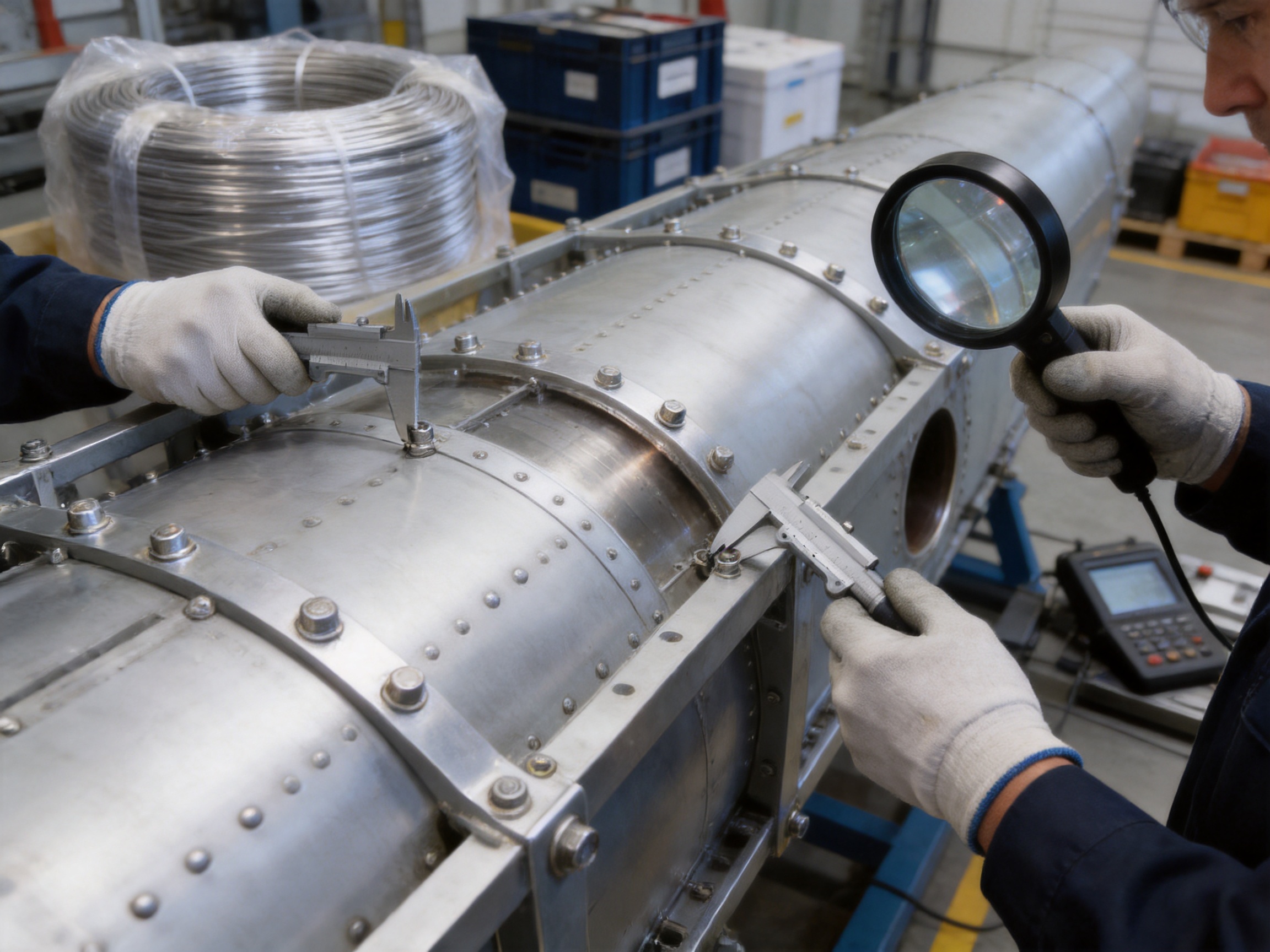
Inspection may include chemical composition analysis, dimensional measurement, surface inspection, mechanical property testing, hardness testing, and packaging checks according to product requirements.
This full-process approach is more reliable than final inspection alone.
By identifying quality deviations early, the company can reduce risk, improve consistency, and support customer satisfaction.
Advantages Over Typical Competitors
The competitive advantage of high-strength aluminum alloy rivet wire depends on both product performance and manufacturing reliability.
Many suppliers can provide aluminum wire, but not all can provide stable high-strength aluminum alloy wire for critical fastening applications.
Jiangsu Hetuo Aluminum Wire Co., Ltd. offers several advantages that differentiate its product from general market alternatives.
Specialization in Aluminum Alloy Wire
The company focuses on aluminum wire, aluminum alloy wire, high-purity aluminum wire, high-strength aluminum alloy wire, and welding materials.
This specialization allows deeper process knowledge than suppliers who treat aluminum wire as only one of many unrelated metal products.
Specialization matters because high-strength aluminum alloy wire requires careful control of alloy behavior, deformation processing, and heat treatment response.
Advanced Manufacturing System
The company has built an intelligent manufacturing system for multiple aluminum wire product categories.
This supports better process stability, production planning, quality control, and customization.
Advanced equipment and facilities help reduce variation and improve repeatability.
For customers, this means fewer production surprises and more stable supply.
Quality Management Certifications
The company has obtained ISO 9001 and IATF 16949 quality management system certifications.
ISO 9001 reflects a structured quality management approach applicable across industries.
IATF 16949 is especially significant for automotive supply chains and demonstrates strong process discipline, defect prevention thinking, and continuous improvement capability.
Although rivet wire may be used in aviation and aerospace, the same quality discipline is valuable for all critical industrial customers.
Broad Product Range
Because the company produces high-purity aluminum wire, high-strength alloy wire, and aluminum welding materials, it can support customers with different aluminum material needs.
This broad product range can reduce supplier complexity for buyers who need several aluminum wire solutions.
It also reflects the company’s accumulated experience in aluminum metallurgy and wire processing.
Customer-Oriented Customization
The company is guided by customer needs and committed to customer satisfaction.
This is important for rivet wire because requirements vary by application, standard, alloy, temper, wire size, and downstream forming process.
A customer-oriented supplier can help adjust product details to improve processing efficiency and final part performance.
Export Capability and International Quality Alignment
The company’s products comply with international quality standards and are exported to high-end overseas markets.
This indicates experience with customer audits, technical communication, packaging requirements, and quality documentation.
For global buyers, export experience helps reduce communication risk and supports more reliable cooperation.
Applications in Aviation, Aerospace, and Military Fields
High-strength aluminum alloy rivet wire is especially valuable in sectors where fastening performance must be reliable under demanding conditions.
The product is mainly used in aviation, aerospace, and military fields.
These fields require materials that can perform under load, vibration, temperature change, and corrosive exposure.
Aviation Structures
Aircraft structures often use aluminum alloys due to their strength-to-weight ratio.
Rivets remain important in aircraft construction because they provide reliable mechanical joining for panels and structural components.
High-strength aluminum alloy rivets are used where lightweight fastening and compatible material behavior are needed.
Rivet wire quality affects installation performance and long-term joint reliability.
Wire with stable composition and surface condition helps rivet manufacturers produce fasteners that meet aviation-grade requirements.
Aerospace Assemblies
Aerospace applications may involve more severe operating conditions than ordinary industrial uses.
Components can experience vibration, thermal cycling, low-temperature environments, and strict weight limitations.
The product information notes that T73 temper can provide relatively good low-temperature performance, fracture toughness, and corrosion resistance.
This makes controlled high-strength aluminum alloy wire suitable for aerospace fastening applications where durability matters as much as strength.
Military Equipment
Military applications often require reliable materials capable of functioning in harsh environments.
High-strength aluminum alloy rivet wire can support lightweight military platforms, aircraft, vehicles, and equipment housings.
In such applications, rivets may be exposed to vibration, shock, moisture, and temperature changes.
Material consistency and corrosion resistance are therefore essential.
High-End Industrial Fasteners
Beyond aviation, aerospace, and military uses, high-strength aluminum alloy wire can also support high-end industrial fastener production.
Applications may include rail transit, marine equipment, precision machinery, lightweight vehicles, and special structural assemblies.
Customers in these sectors may seek aerospace-inspired quality levels to improve product reliability and reduce maintenance risk.
Rivet Production Benefits for Downstream Manufacturers
Downstream rivet manufacturers benefit from high-quality wire in several measurable ways.
First, stable wire diameter improves cutting and heading consistency.
Second, controlled surface quality reduces crack risk during forming.
Third, uniform mechanical properties improve production repeatability.
Fourth, reliable chemical composition improves heat treatment response and final rivet performance.
Fifth, professional packaging reduces damage and contamination during transport and storage.
When wire quality is poor, manufacturers may face frequent line stoppages, inconsistent rivet geometry, defective heads, surface cracks, excessive tool wear, and higher scrap rates.
These hidden costs can exceed the apparent savings from buying lower-quality wire.
By contrast, premium rivet wire supports stable production and reduces total manufacturing risk.
This is one of the clearest advantages of selecting a specialized aluminum alloy wire manufacturer rather than a general commodity supplier.
Surface, Packaging, and Handling Considerations
Rivet wire must be protected from mechanical damage, moisture, contamination, and corrosion before use.
Surface scratches or dents can affect forming behavior and final rivet quality.
Appropriate packaging helps preserve wire condition during storage and transportation.
Customers should store aluminum alloy wire in a clean, dry environment and avoid contact with corrosive substances.
Coils should be handled carefully to prevent deformation, edge damage, or surface abrasion.
Before production, wire should be inspected according to the customer’s internal process requirements.
Good handling practices work together with supplier quality to ensure stable rivet production.
How to Select the Right Rivet Wire
Selecting the correct aluminum alloy rivet wire requires a clear understanding of the final application.
Customers should consider alloy grade, temper, wire diameter, mechanical properties, forming method, corrosion environment, service temperature, and inspection standard.
For high-strength requirements, 7075 or 7050 may be suitable choices, depending on the balance between strength, toughness, and corrosion resistance.
For aluminum-copper alloy requirements, 2A10 or 2219 may be considered.
If maximum strength is needed, a T6-type condition may be appropriate.
If stress corrosion resistance and fracture toughness are more important, T73 may be selected.
If a balanced condition is needed, T76 may offer useful advantages.
Customers should also discuss downstream forming requirements with the supplier.
The wire condition that is ideal for final rivet strength may not always be the same as the condition required for efficient heading.
Therefore, technical communication between the wire manufacturer and rivet producer is important.
Sustainability and Lightweight Engineering
Aluminum alloy wire for rivets contributes to sustainability through lightweight design and material efficiency.
Lightweight structures can reduce energy consumption in aircraft, vehicles, and other transportation systems.
Aluminum is also widely recyclable, which supports circular material strategies when scrap is properly collected and processed.
Jiangsu Hetuo Aluminum Wire Co., Ltd. aims to provide lighter, stronger, and more sustainable aluminum alloy wire and welding material solutions for global industries.
This goal aligns with modern engineering trends in aerospace, transportation, clean manufacturing, and energy-efficient design.
High-quality rivet wire helps reduce waste in downstream production by lowering defect rates and improving process stability.
In this sense, quality itself becomes part of sustainability.
When fewer parts are scrapped and fewer batches are rejected, material use becomes more efficient.
Quality Assurance and Customer Confidence
Customer confidence in rivet wire depends on documentation, repeatability, communication, and technical performance.
Jiangsu Hetuo Aluminum Wire Co., Ltd. supports customer confidence through strict quality inspection, certified management systems, advanced equipment, and experience in high-end markets.
For critical applications, customers may require chemical composition reports, mechanical property data, dimensional inspection results, or other batch-related records.
A supplier with an organized quality system is better prepared to provide such documentation.
Quality assurance also includes continuous improvement.
If a customer encounters a forming challenge or requires a modified specification, the supplier must be able to analyze causes, adjust process parameters, and maintain stable future production.
This problem-solving ability is an important advantage over competitors who only sell standard inventory without technical support.
Commercial Value for Global Buyers
Global buyers of aluminum rivet wire need more than a low unit price.
They need reliable delivery, stable quality, professional communication, and products that perform well in downstream production.
Jiangsu Hetuo Aluminum Wire Co., Ltd. combines manufacturing scale, technical capability, quality certification, and export experience to serve these needs.
The company is located in an industrial development zone with access to manufacturing infrastructure and logistics channels.
Its product portfolio supports buyers in aerospace-related fastening, industrial wire, welding material, and high-performance aluminum applications.
For procurement teams, supplier reliability reduces risk.
For engineering teams, material consistency supports design confidence.
For production teams, stable wire improves efficiency.
For quality teams, traceable inspection supports compliance.
These combined benefits create value beyond the wire itself.
Frequently Asked Questions
What is high-strength aluminum alloy wire for rivets?
It is an aluminum alloy wire designed for manufacturing rivets that require high mechanical strength, lightweight performance, reliable forming behavior, and corrosion resistance.
It is commonly used in aviation, aerospace, military, and high-end industrial fastening applications.
Which alloy grades are commonly associated with this product?
Common grades include 7075, 7050, 2A10, and 2219, depending on the customer’s application requirements.
7075 and 7050 are high-strength 7xxx series alloys, while 2A10 and 2219 are aluminum-copper based alloys used in structural applications.
Why is 7075 aluminum alloy often used for rivet wire?
7075 aluminum alloy contains zinc, magnesium, and copper, which allow it to achieve high strength through precipitation hardening.
This makes it suitable for applications where strong and lightweight fastening materials are required.
What is the difference between T6, T73, and T76 tempers?
T6 generally provides high strength.
T73 provides improved fracture toughness, stress corrosion resistance, exfoliation corrosion resistance, and low-temperature performance.
T76 offers a balance, with higher strength than T73 and better stress corrosion resistance than T6.
Why is chemical composition control important?
Chemical composition determines heat treatment response, strength, ductility, corrosion resistance, and forming performance.
Elements such as zinc, magnesium, copper, chromium, titanium, and zirconium must be controlled carefully to achieve stable product quality.
How does high-quality rivet wire help rivet manufacturers?
High-quality wire improves heading consistency, reduces cracking risk, supports stable dimensions, lowers scrap rates, and improves production efficiency.
It also helps finished rivets meet demanding performance requirements.
What makes Jiangsu Hetuo Aluminum Wire Co., Ltd. competitive?
The company has advanced equipment, an intelligent manufacturing system, strict full-process quality inspection, ISO 9001 and IATF 16949 certifications, and experience supplying high-end markets.
It also specializes in aluminum wire, high-strength aluminum alloy wire, high-purity aluminum wire, and aluminum welding materials.
Can the wire be customized?
Yes, the product can be customized according to alloy grade, wire diameter, surface condition, temper, packaging, and application requirements.
What industries use this rivet wire?
Main industries include aviation, aerospace, military equipment, high-end industrial fasteners, transportation, and lightweight structural manufacturing.
Why should buyers avoid choosing rivet wire based only on price?
Low-cost wire with unstable quality can cause forming defects, production downtime, high scrap rates, and unreliable rivet performance.
A stable, certified, and technically capable supplier can reduce total cost and risk over the full production process.
Conclusion
High-strength aluminum alloy wire for rivets is a critical material for lightweight and reliable fastening systems.
Its value lies in the combination of high strength, controlled toughness, corrosion resistance, formability, dimensional accuracy, and stable heat treatment response.
For aviation, aerospace, military, and high-end industrial applications, the quality of rivet wire directly influences the quality of the final rivet and the reliability of the assembled structure.
Jiangsu Hetuo Aluminum Wire Co., Ltd. provides this product with a strong foundation in aluminum alloy wire manufacturing, advanced equipment, strict quality inspection, certified management systems, and customer-oriented customization.
Compared with general aluminum wire suppliers, the company offers deeper specialization, broader alloy capability, better process control, and stronger support for demanding applications.
For customers seeking aluminum rivet wire, 7075 aluminum rivet wire, or customized high-strength aluminum alloy wire for critical fastening, the company offers a reliable manufacturing partner focused on lighter, stronger, and more sustainable aluminum material solutions.
References
1. Aluminum Association. Aluminum Standards and Data.
2. ASM International. ASM Handbook, Volume 2: Properties and Selection: Nonferrous Alloys and Special-Purpose Materials.
3. Davis, J. R. Aluminum and Aluminum Alloys. ASM International.
4. Hatch, J. E. Aluminum: Properties and Physical Metallurgy. American Society for Metals.
5. Polmear, I. J., StJohn, D., Nie, J. F., and Qian, M. Light Alloys: Metallurgy of the Light Metals.
6. International Organization for Standardization. ISO 9001 Quality Management Systems Requirements.
7. International Automotive Task Force. IATF 16949 Automotive Quality Management System Standard.