

 English
 中文简体
中文简体 русский
 Deutsch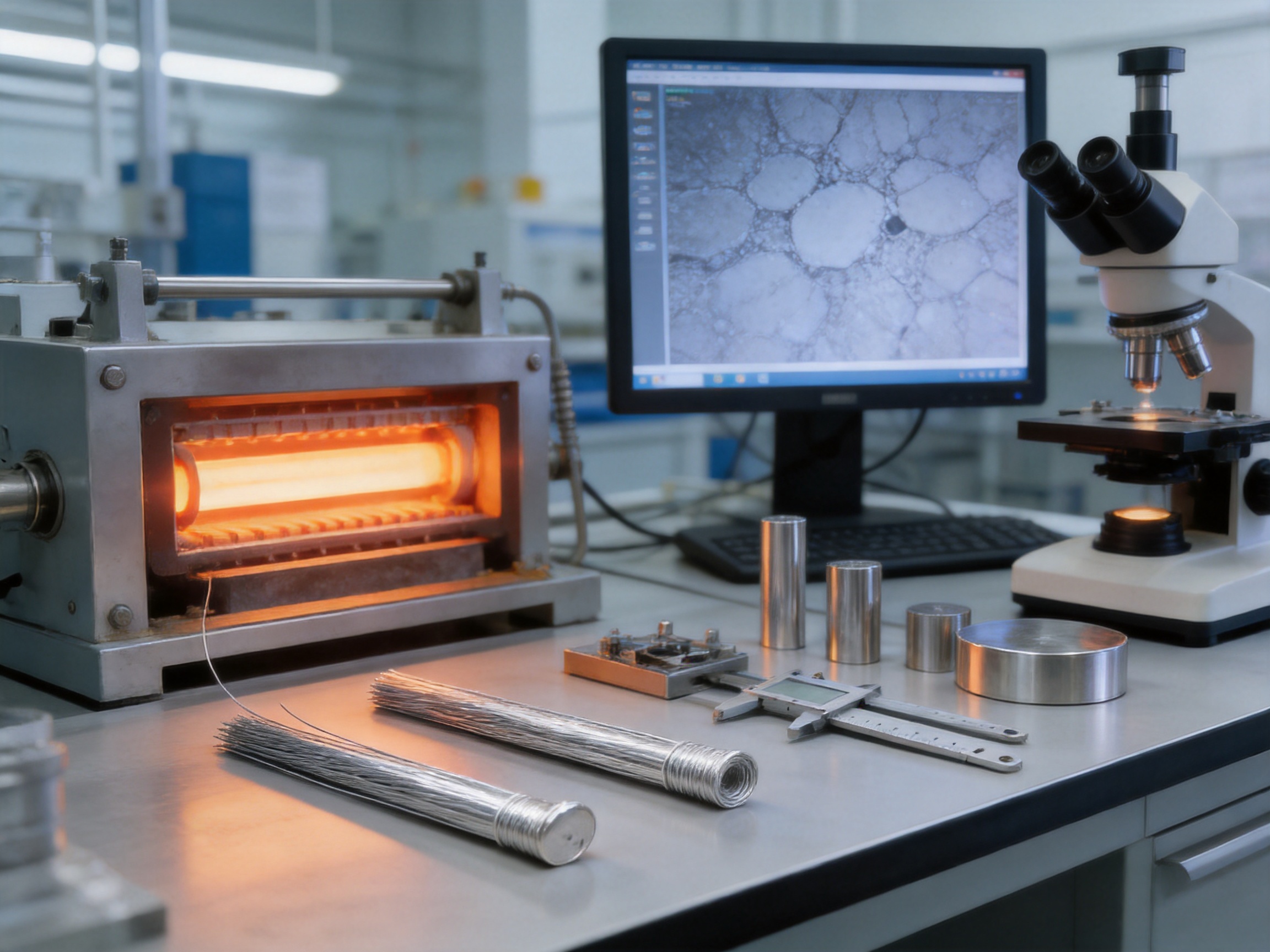
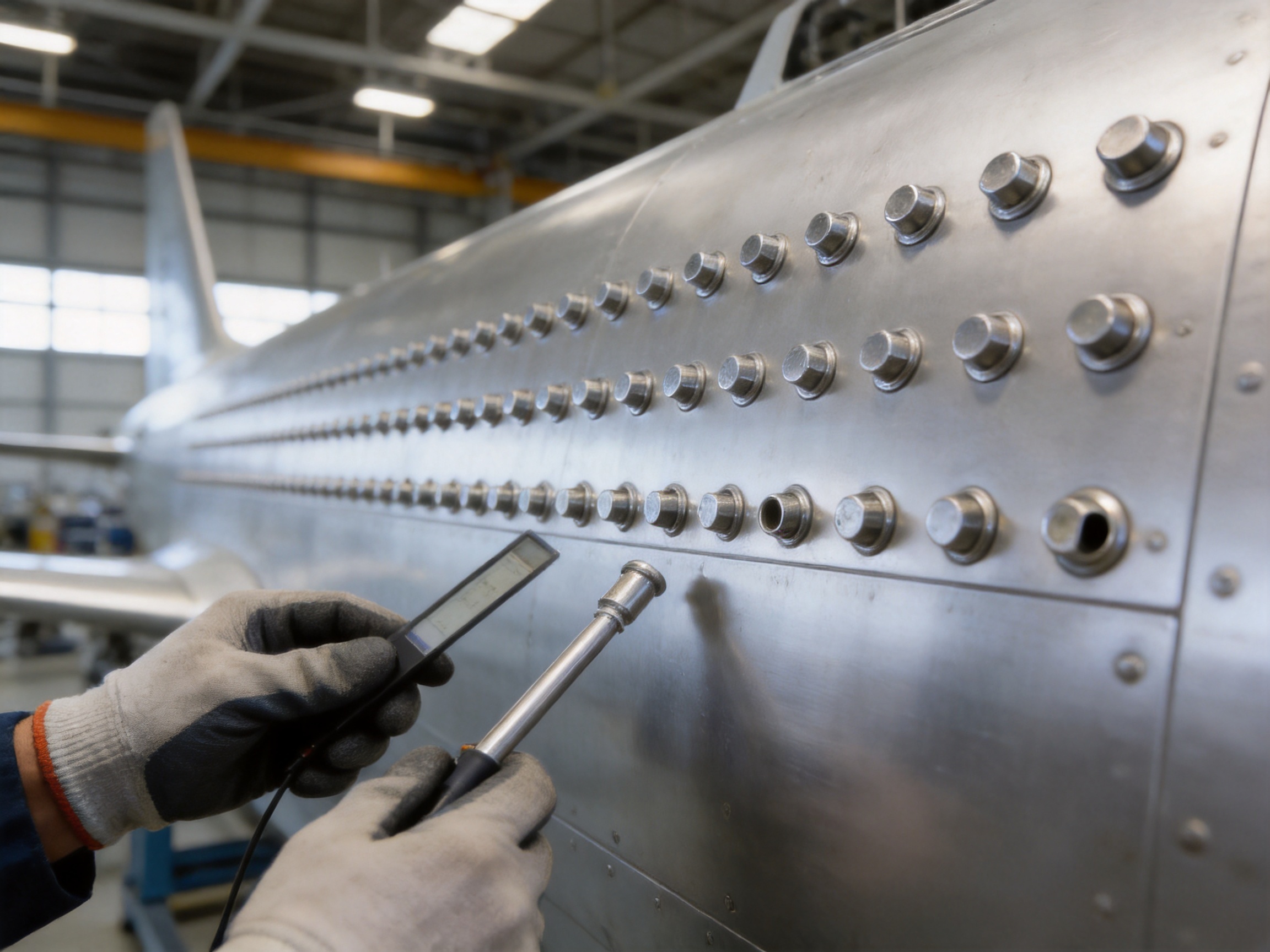
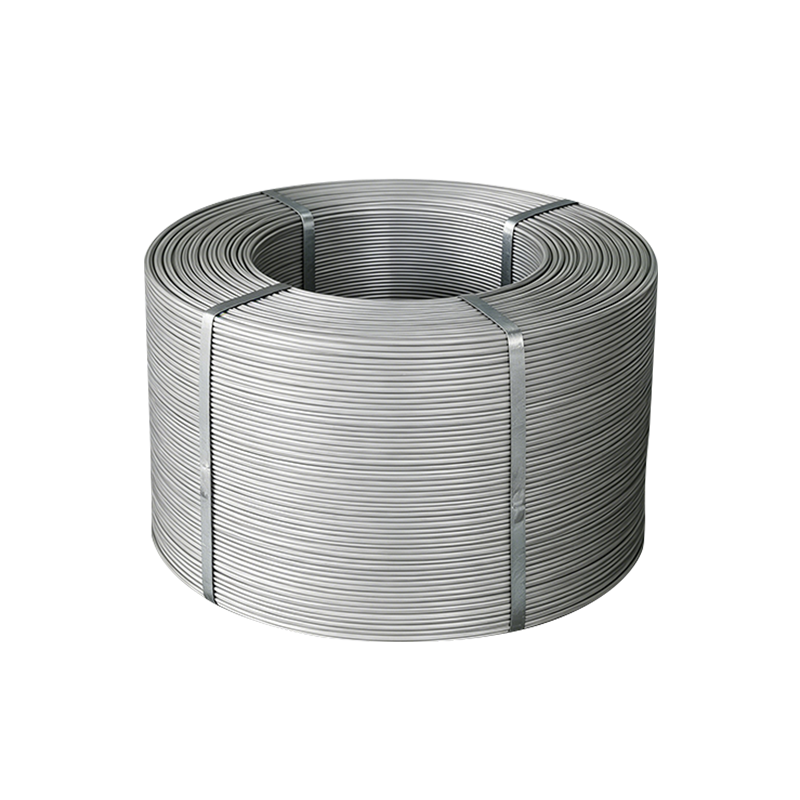
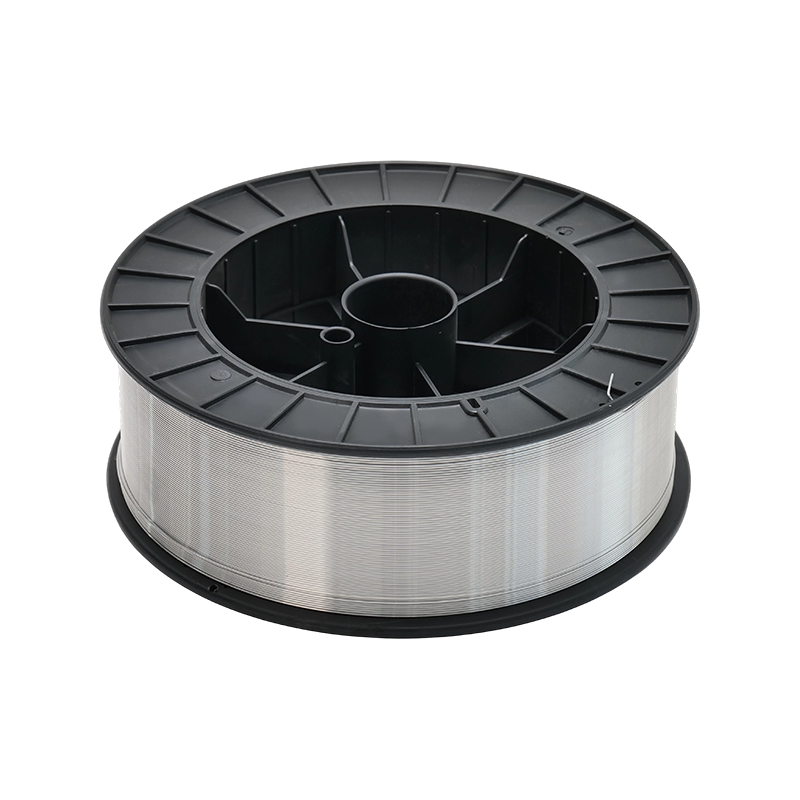
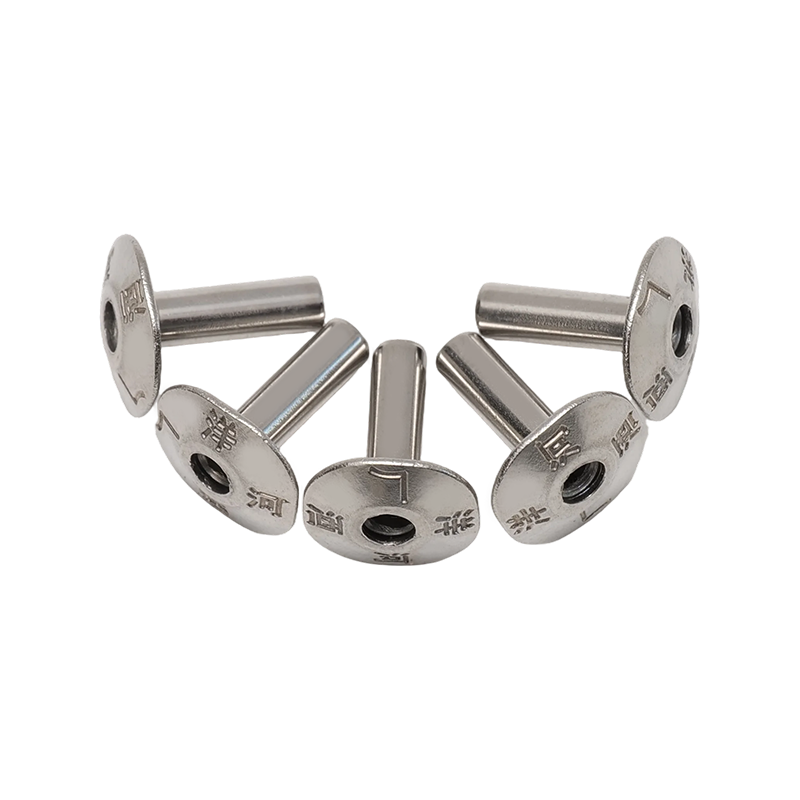
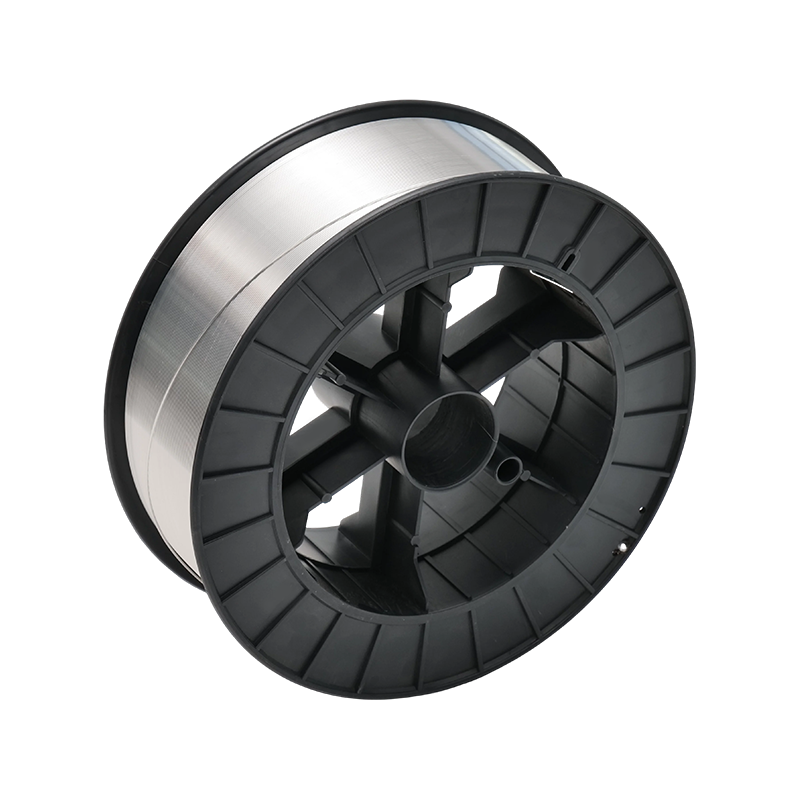
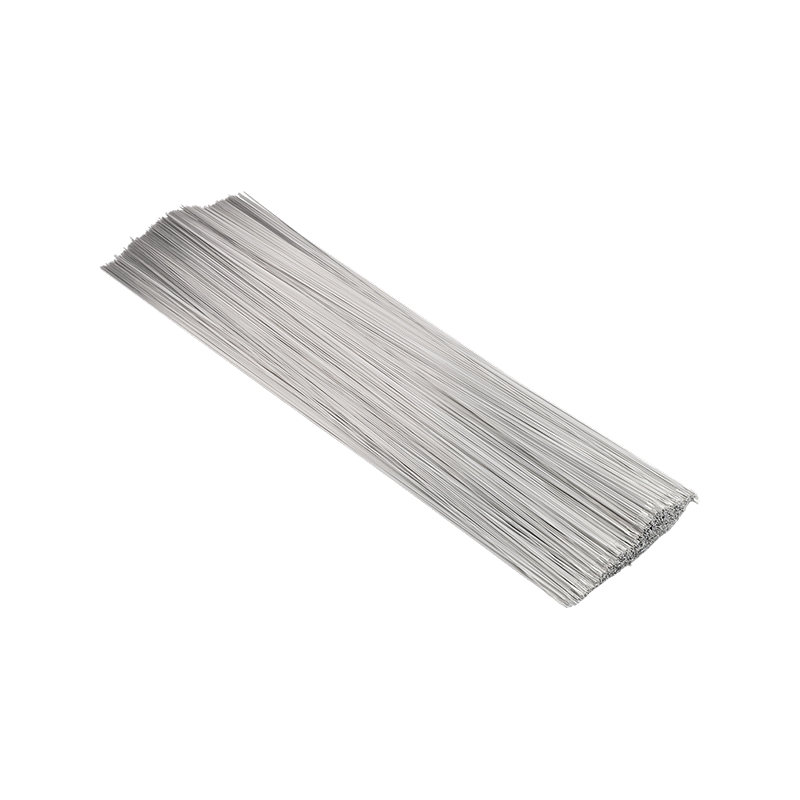
High-strength aluminum alloy wire for rivets is a specialized material designed for demanding fastening applications where low weight, high mechanical strength, corrosion resistance, and dependable forming performance must work together. In aircraft structures, aerospace assemblies, military equipment, precision vehicles, and advanced industrial systems, rivets remain essential because they provide reliable joining without the thermal distortion associated with welding. The quality of the rivet begins with the quality of the wire. A consistent aluminum alloy wire enables stable heading, controlled deformation, predictable heat-treatment response, and durable service performance after installation.
This article focuses on high-strength aluminum alloy wire used for rivets, especially aluminum-zinc-magnesium-copper alloy systems such as 7075 and related high-performance grades. These alloys are valued for their precipitation strengthening behavior, their ability to achieve very high strength in T6 temper, and their balanced fracture toughness and stress-corrosion resistance in overaged tempers such as T73 and T76. For critical fastening systems, the wire must not only meet chemical composition targets; it must also exhibit excellent surface quality, uniform microstructure, controlled dimensions, and reliable metallurgical cleanliness.
Jiangsu Hetuo Aluminum Wire Co., Ltd. manufactures aluminum wire and aluminum alloy wire with an industrial focus on high-purity aluminum wire, high-strength aluminum alloy wire, and aluminum and aluminum alloy welding materials. The company applies advanced production equipment, strict quality inspection, and modern management systems to support customers in aviation, aerospace, military, transportation, equipment manufacturing, and other industries that require stable aluminum alloy wire solutions. Its intelligent manufacturing system and quality certifications provide a strong foundation for supplying rivet wire that can meet high-end application expectations.
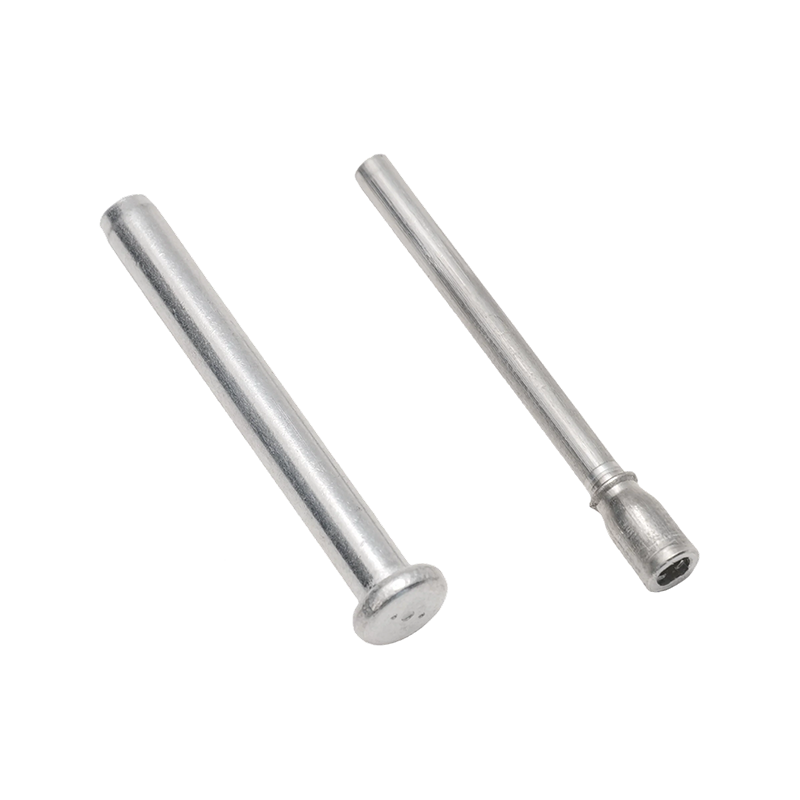
Content
Understanding Aluminum Alloy Rivet Wire
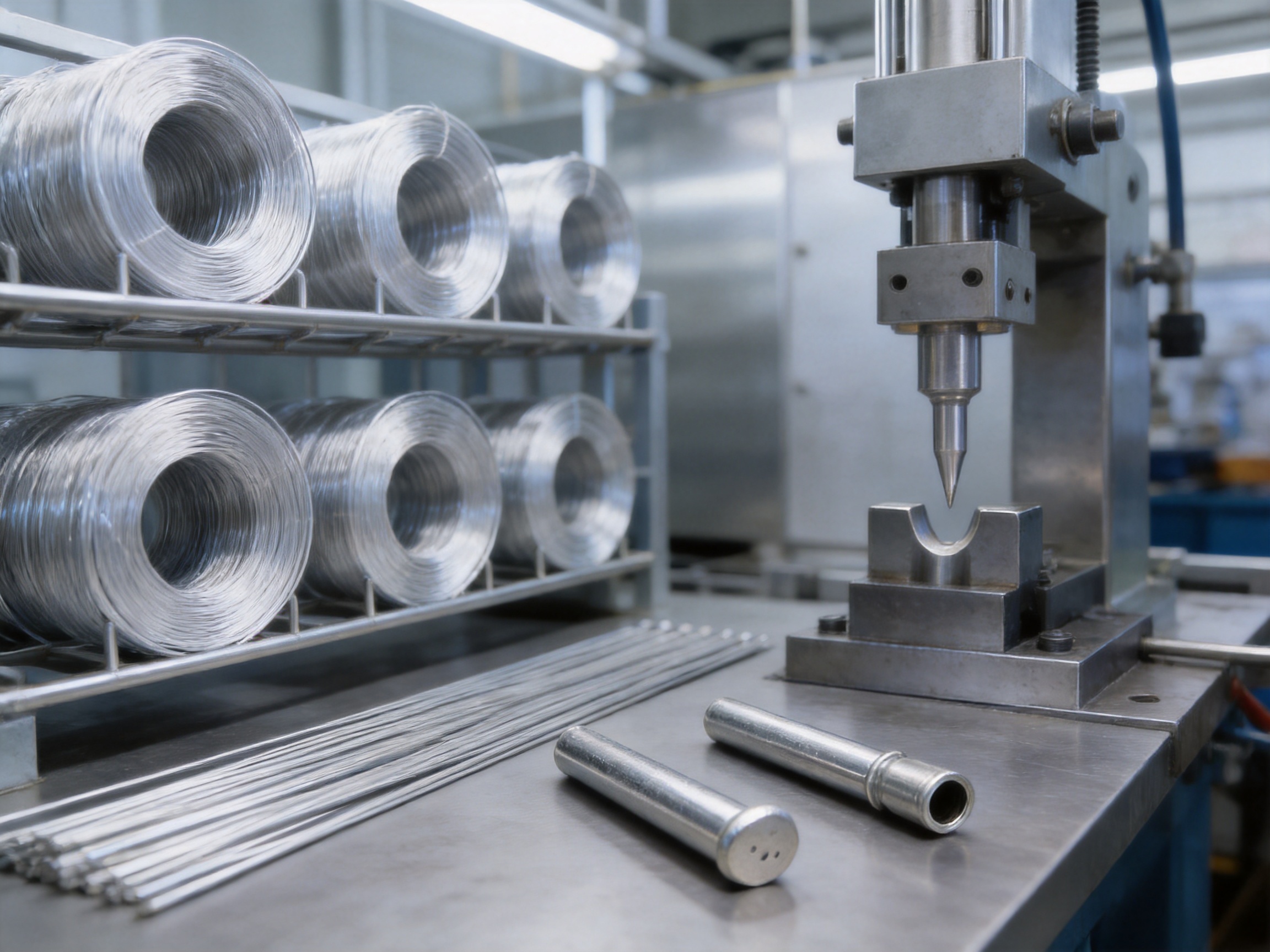
Aluminum alloy rivet wire is the feedstock used to produce rivets through processes such as cutting, cold heading, shaping, solution treatment, quenching, aging, and surface finishing. Unlike ordinary aluminum wire, rivet wire must provide a combination of formability during manufacturing and mechanical performance after final treatment. A wire that is too brittle may crack during heading. A wire with poor dimensional consistency may cause tool wear, unstable rivet geometry, or rejected parts. A wire with nonuniform chemistry or internal defects may create rivets with inconsistent strength and fatigue behavior.
In high-performance riveting applications, the rivet becomes part of a load-bearing structure. It must clamp components securely, resist shear and tensile forces, tolerate vibration, and perform reliably in humid, corrosive, or low-temperature environments. For aircraft and aerospace structures, rivets may experience repeated stress cycles over long service lives. Therefore, wire quality influences not only production efficiency but also structural safety and long-term durability.
High-strength aluminum alloy wire for rivets is often based on alloy systems that obtain strength through heat treatment. In the 7xxx series, zinc is the primary alloying element, usually combined with magnesium and copper. These elements form strengthening precipitates during aging. The result is a material that can reach significantly higher strength than many non-heat-treatable aluminum alloys while retaining the light weight that makes aluminum attractive for advanced engineering.
The product described here is positioned within the category of high-strength aluminum alloy wire and is mainly used in aviation, aerospace, and military fields. These fields require materials that can support lightweight design without sacrificing structural integrity. In addition, the product is associated with E phase and transition phase strengthening, indicating the importance of controlled precipitation behavior. By adjusting heat-treatment states such as T6, T73, and T76, the final rivet performance can be tuned for strength, toughness, stress-corrosion resistance, exfoliation-corrosion resistance, and low-temperature performance.
Why High-Strength Aluminum Rivet Wire Matters
Weight reduction is one of the most important engineering goals in aviation and aerospace. Every kilogram saved in an aircraft can contribute to improved fuel efficiency, higher payload, increased range, and lower emissions. Aluminum alloys remain important because they combine low density with excellent processability and favorable strength-to-weight ratios. High-strength aluminum rivet wire allows designers to create fastening components that are lighter than many steel alternatives while still meeting demanding load requirements.
However, strength alone is not enough. Rivet wire for aerospace and defense applications must also demonstrate stability under environmental stress. Aircraft may be exposed to moisture, salt spray, temperature fluctuations, fuel residues, cleaning chemicals, and complex stress states. Stress corrosion cracking and exfoliation corrosion are particular concerns for some high-strength aluminum alloys. Therefore, selecting appropriate alloy chemistry and heat-treatment condition is essential.
T6 temper is generally associated with high peak strength. It is suitable when maximum static mechanical performance is required and when corrosion-related risks are carefully managed. T73 temper is often chosen for improved fracture toughness and stronger resistance to stress corrosion and exfoliation corrosion. T76 temper can provide a useful balance: higher strength than T73 and better stress-corrosion resistance than T6. This temper flexibility gives engineers practical options for matching rivet performance to the actual service environment.
Compared with lower-strength aluminum wires, high-strength rivet wire enables smaller or fewer fasteners in certain designs, depending on engineering requirements. It may also help increase joint efficiency and reduce structural mass. Compared with some competing materials, high-strength aluminum alloy rivet wire offers advantages in corrosion behavior, recyclability, electrical and thermal conductivity, and compatibility with aluminum structures. When the surrounding structure is aluminum, using aluminum alloy rivets can reduce galvanic corrosion concerns compared with dissimilar-metal fasteners.
Alloy Design and Chemical Composition
The performance of aluminum rivet wire begins with alloy chemistry. Each alloying element plays a specific role. Zinc contributes strongly to precipitation hardening in 7xxx series alloys. Magnesium combines with zinc to form strengthening phases. Copper can increase strength and improve precipitation response, although it must be carefully controlled because it may influence corrosion behavior. Chromium, zirconium, titanium, and other minor additions may refine grain structure, improve recrystallization resistance, or enhance stability. Silicon and iron are usually controlled as impurities or limited additions, depending on the alloy grade.
For rivet wire related to 7075-type material, zinc is one of the defining elements. The product information highlights a zinc range of approximately 5.1 to 6.1 in the descriptive content, while the listed 7075 chemical composition table shows zinc in a broader range of 5.0 to 7.0. In practice, customers may require specific standards, internal specifications, or negotiated chemical windows. A capable manufacturer must maintain precise melting, alloying, casting, homogenization, and inspection procedures to keep the composition within the target range.
The following table summarizes representative composition information relevant to high-strength aluminum alloy wire for rivets and selected related aluminum wire grades. Values are presented as typical percentage ranges or maximum values according to the provided product information. Final requirements should be confirmed according to the applicable purchasing specification, standard, and customer drawing.
| Alloy Grade | Typical Application Relevance | Key Elements or Limits | Aluminum Balance |
| 7075 | High-strength rivet wire and aerospace fastening applications | Cu 1.4-2.0, Mg 1.8-2.8, Zn 5.0-7.0, Cr 0.10-0.25 | Rest |
| 7050 | High-strength aerospace aluminum alloy applications | Cu 2.0-2.6, Mg 1.9-2.6, Zn 5.7-6.7, Zr 0.08-0.15 | Rest |
| 2A10 | Aluminum-copper alloy wire for strength-oriented applications | Cu 3.9-4.5, Mn 0.30-0.50, Mg 0.15-0.30 | Rest |
| 2219 | Aluminum-copper alloy applications requiring controlled properties | Cu 5.8-6.8, Mn 0.2-0.4, Ti 0.02-0.1 | Rest |
| 5356 | Aluminum-magnesium alloy wire and welding material applications | Mg 4.5-5.5, Mn 0.05-0.20, Cr 0.05-0.20, Ti 0.06-0.20 | Rest |
| 5183 | Aluminum-magnesium wire where corrosion resistance is important | Mg 4.3-5.2, Mn 0.5-1.0, Cr 0.05-0.25 | Rest |
From a rivet-wire perspective, the most important point is not simply the nominal alloy designation. It is the manufacturer’s ability to reproduce the chemistry consistently from batch to batch. Even small variations can influence solution treatment response, quenching sensitivity, age-hardening kinetics, grain structure, and final mechanical properties. Strict chemical control also helps reduce the risk of hot cracking during upstream processing and surface defects during wire drawing.
Competitor products may meet broad composition ranges but still vary in performance because of inconsistent melting practice, insufficient homogenization, excessive inclusions, or uncontrolled trace elements. In contrast, a systematic manufacturing route with full-process inspection allows the wire supplier to deliver a more reliable product. For customers producing rivets in large quantities, stability is often as valuable as peak performance because stable wire reduces production interruptions and improves final fastener yield.
Strengthening Mechanism and Heat-Treatment Response
High-strength aluminum alloy rivet wire achieves its performance through controlled metallurgical transformations. In 7xxx series alloys, the strengthening process is typically based on solution heat treatment, quenching, and artificial aging. During solution treatment, soluble alloying elements are dissolved into the aluminum matrix. Rapid quenching retains a supersaturated solid solution. During aging, fine precipitates form and impede dislocation movement, increasing strength.
The product description refers to E phase and transition phase strengthening. This concept is closely related to precipitation strengthening. Fine transition precip