

 English
 中文简体
中文简体 русский
 Deutsch
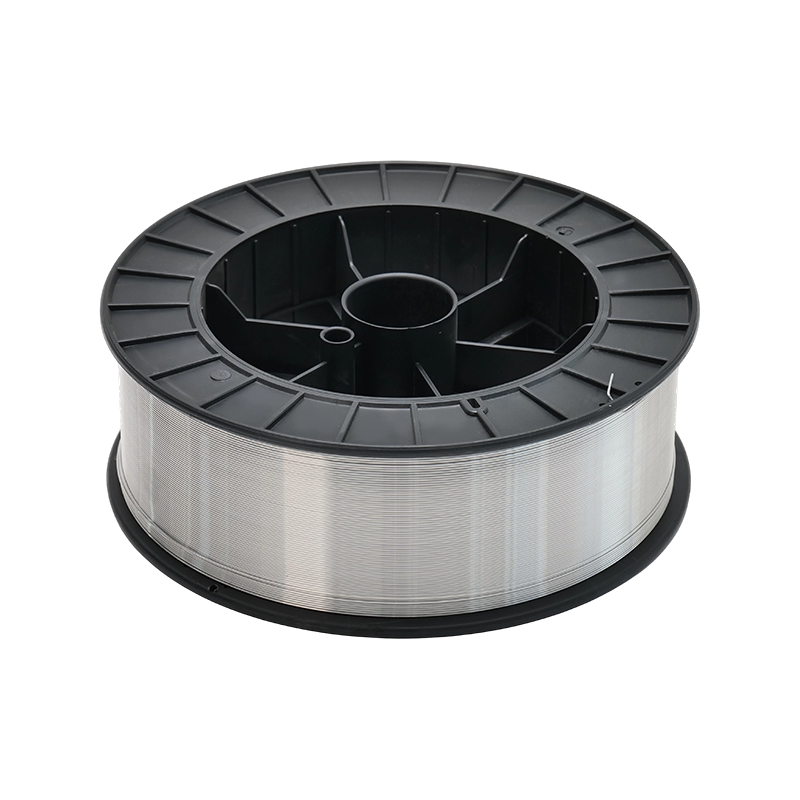
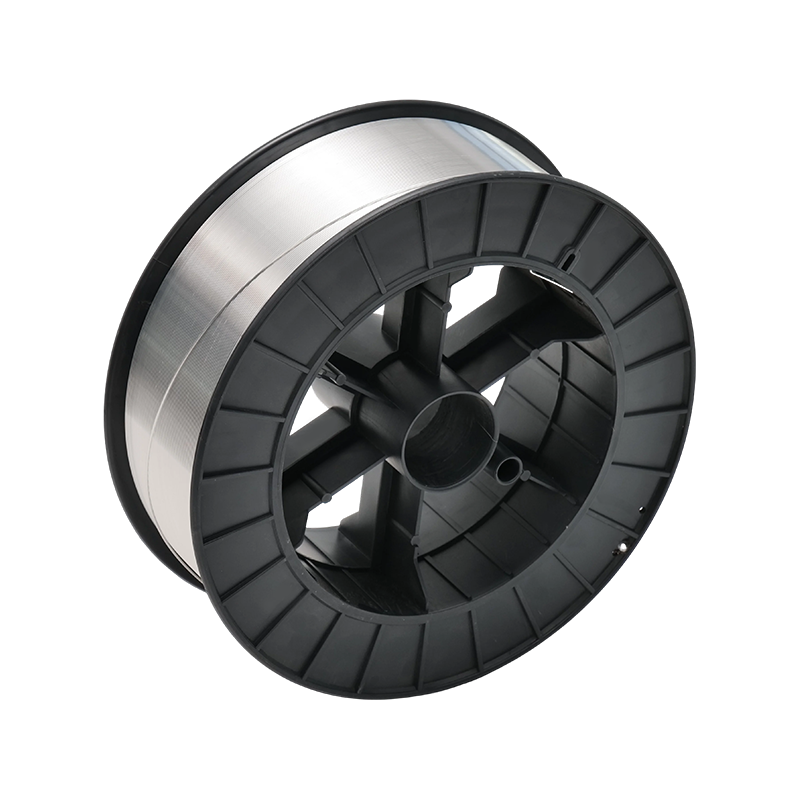
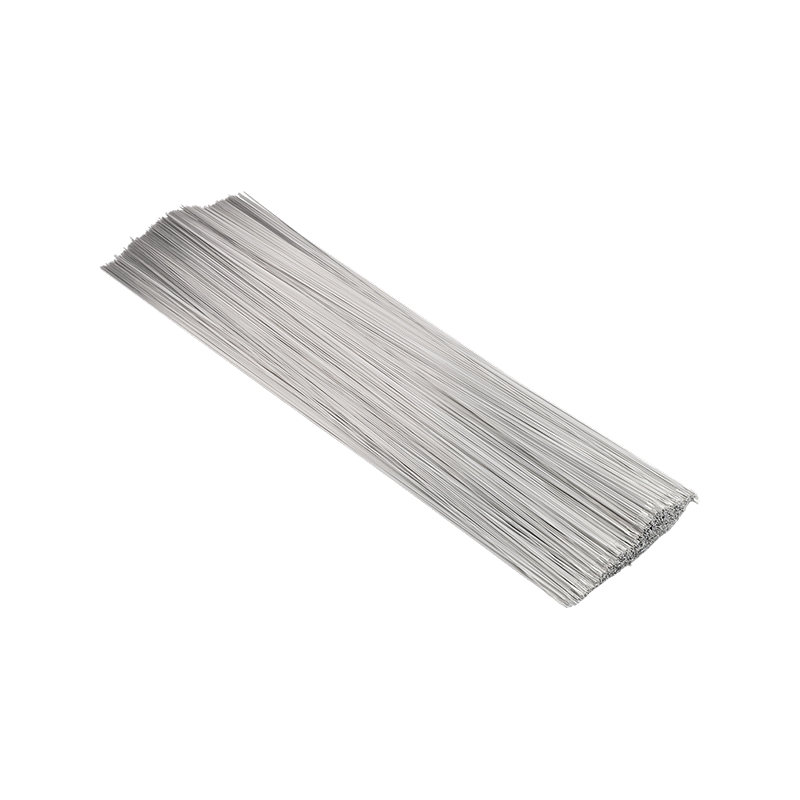
In modern aluminum fabrication, TIG wire plays a decisive role in achieving clean weld appearance, stable arc behavior, reliable joint strength, and consistent metallurgical performance. As industries increasingly demand lighter, stronger, and more corrosion-resistant structures, aluminum and aluminum alloy welding materials must support higher productivity without compromising quality. TIG wire, used mainly for non-melting electrode argon arc welding, is one of the most important consumable materials for precision joining of aluminum components in sectors such as transportation, electrical equipment, pressure vessels, machinery, marine engineering, architectural metalwork, and advanced industrial manufacturing.
The TIG wire introduced here is produced by Jiangsu Hetuo Aluminum Wire Co., Ltd., a specialized manufacturer located in Guannan Economic Development Zone, Lianyungang City, Jiangsu Province, China. The company focuses on high-purity aluminum wire, high-strength aluminum alloy wire, and aluminum/aluminum alloy welding materials. Established in 2019, it has rapidly developed into an innovative aluminum alloy materials enterprise guided by customer needs, quality control, advanced manufacturing, and continuous improvement. With a 40,000-square-meter factory, professional management and technical teams, modern equipment, and ISO 9001 and IATF 16949 quality management system certifications, the company provides welding material solutions designed for customers who require stable quality, dependable performance, and efficient supply.
Content
- 1 Understanding TIG Wire in Aluminum Welding
- 2 Product Positioning and Main Application
- 3 Core Product Advantages
- 4 Advantages Over Typical Competitors
- 5 Advanced Manufacturing Philosophy
- 6 Raw Material Selection and Composition Control
- 7 Melting, Casting, and Rod Preparation
- 8 Precision Wire Drawing
- 9 Surface Cleaning and Finish Control
- 10 Diameter Tolerance, Straightness, and Handling
- 11 Quality Inspection Throughout Production
- 12 Manufacturing Strengths of the Company
- 13 Technical Performance Factors in TIG Welding
- 14 Recommended Considerations for Use
- 15 Product Value for Different Industries
- 16 Comparison Table: Premium TIG Wire and Ordinary Low-Control Wire
- 17 Why Quality Systems Matter for Welding Consumables
- 18 Sustainability and Lightweight Manufacturing
- 19 Customization and Customer-Oriented Support
- 20 Packaging, Storage, and Delivery Considerations
- 21 Common Welding Challenges and How Quality TIG Wire Helps
- 22 Q&A: Practical Questions About TIG Wire
- 22.1 What is TIG wire used for?
- 22.2 Why is aluminum TIG wire quality so important?
- 22.3 What makes this TIG wire competitive?
- 22.4 Can one TIG wire be used for all aluminum alloys?
- 22.5 How should TIG wire be stored?
- 22.6 Does premium TIG wire reduce welding cost?
- 22.7 What role does the company’s manufacturing scale play?
- 22.8 Why are ISO 9001 and IATF 16949 certifications relevant?
- 23 Conclusion
- 24 References
- 25 Product: TIG Wire
Understanding TIG Wire in Aluminum Welding
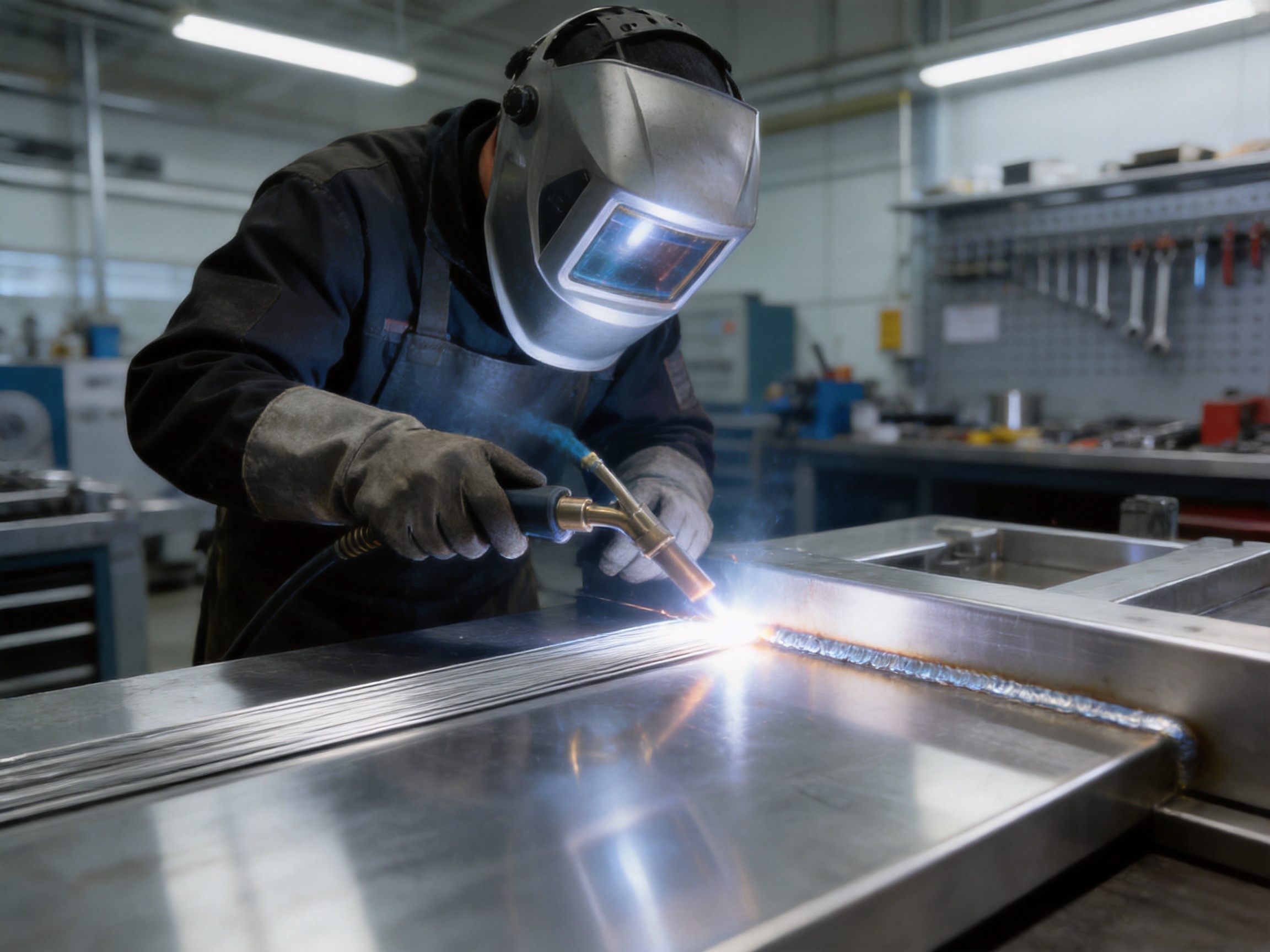
TIG welding, also known as gas tungsten arc welding, uses a non-consumable tungsten electrode to create the arc while an inert shielding gas, commonly argon, protects the molten weld pool from atmospheric contamination. In aluminum welding, TIG wire is fed into the weld pool as filler material when additional metal is needed to form the joint, build up the weld bead, improve mechanical properties, or control weld composition. Because aluminum is highly reactive at elevated temperatures, the quality of the filler wire has a direct influence on porosity, cracking resistance, bead shape, penetration stability, and long-term service performance.
Unlike some welding processes that tolerate wider variation in consumable quality, TIG welding reveals every detail. A wire with inconsistent diameter may cause irregular feeding. A wire with poor surface cleanliness may generate black soot, unstable arc behavior, or porosity. A wire with uncontrolled alloy chemistry may produce weak welds, color mismatch, reduced corrosion resistance, or hot cracking. For this reason, premium TIG wire must combine precise chemical composition, excellent surface finish, strict diameter tolerance, controlled temper, stable straightness, low contamination, and dependable packaging protection.
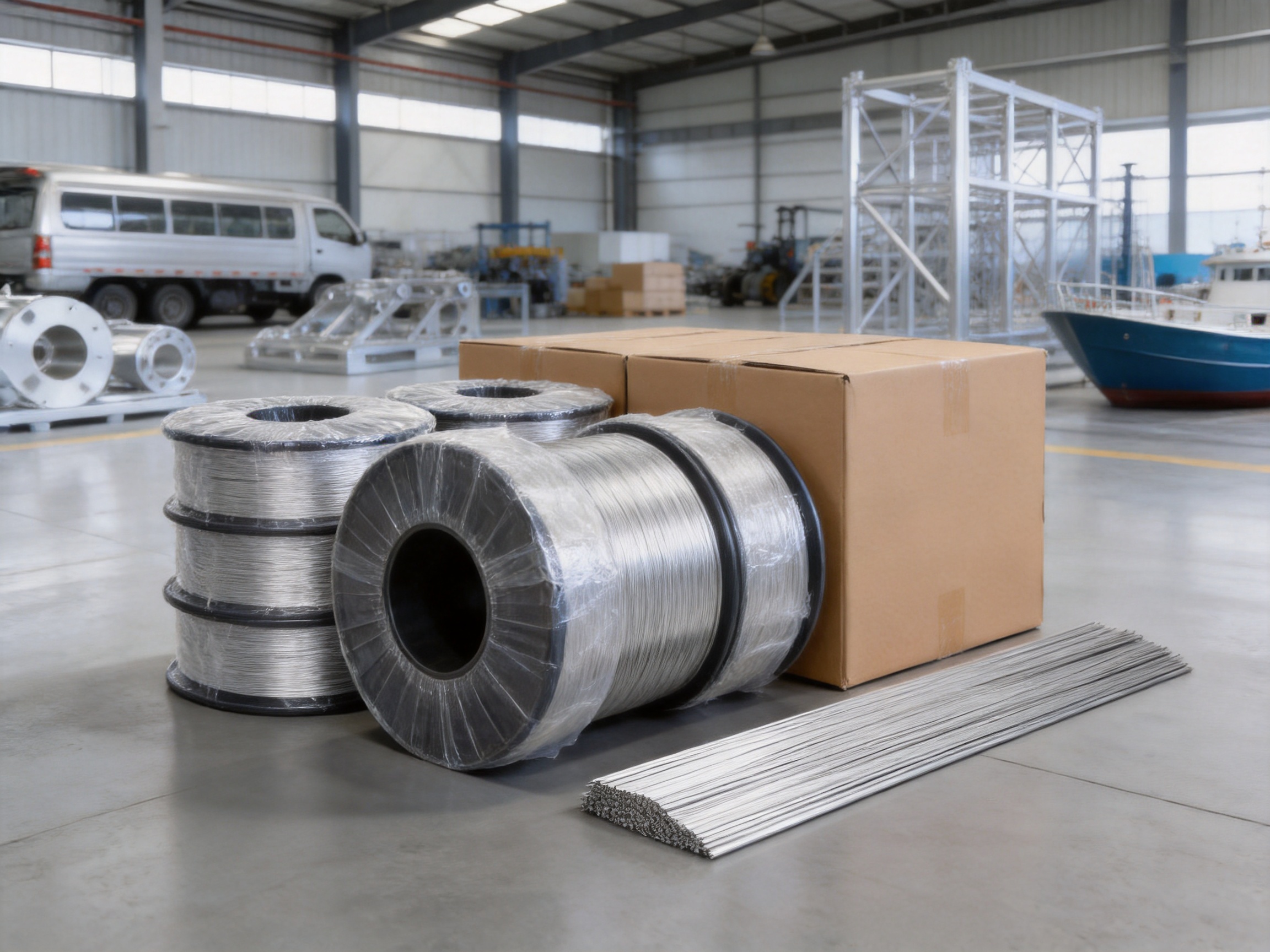
The TIG wire described in this article is positioned as a reliable aluminum and aluminum alloy welding material for high-quality non-melting electrode argon arc welding. Its value is not limited to being a simple filler wire. It is part of a controlled welding solution in which raw material selection, melting and casting management, drawing technology, intermediate treatment, surface cleaning, inspection, packaging, and logistics all contribute to final welding performance. This system-oriented manufacturing philosophy helps the product meet the practical requirements of workshops, fabricators, machinery builders, and industrial customers that need consistent results over repeated production batches.
Product Positioning and Main Application
The product is categorized under aluminum and aluminum alloy welding materials, with its primary use being non-melting electrode argon arc welding. In practical terms, this means it is suitable for TIG welding applications where a tungsten electrode generates the arc and the aluminum wire functions as filler material. TIG welding is especially valued when weld appearance, precision, control, and cleanliness are more important than maximum deposition speed. It is commonly selected for thin aluminum plates, precise assemblies, visible welds, complex components, pressure-containing parts, repair welding, and applications requiring refined operator control.
Aluminum TIG wire is used in many industrial scenarios. In transportation manufacturing, it supports the welding of lightweight structural components and aluminum assemblies where reduced weight improves energy efficiency. In machinery manufacturing, it helps join components requiring dimensional accuracy and good appearance. In electrical and electronic equipment, aluminum welding materials may be used where conductivity, thermal performance, and clean joining are required. In marine and outdoor structures, suitable aluminum alloy welding wire can contribute to corrosion-resistant welds when matched properly with base material and service environment. In repair and maintenance, TIG wire is often preferred because the process offers careful heat input control and refined bead placement.
The value of a high-quality TIG wire becomes especially clear in high-precision work. An experienced welder can control torch angle, arc length, travel speed, shielding gas flow, and filler addition, but the consumable must respond predictably. When the wire melts smoothly, wets properly, and maintains clean behavior, the welder can focus on producing a sound weld rather than compensating for material inconsistency. For manufacturers, this translates into fewer defects, less rework, improved visual quality, greater process confidence, and better production efficiency.
Core Product Advantages
The competitive strength of this TIG wire comes from a combination of material purity, alloy consistency, manufacturing control, surface quality, and quality management. In a market where many welding wires may look similar at first glance, actual performance differences appear during welding. Premium wire reduces the risk of porosity, wire contamination, surface oxide problems, inconsistent melting, and unstable weld appearance. These benefits help customers reduce hidden costs, including inspection failures, repair welding, scrapped components, production delays, and customer complaints.
One of the important advantages is stable weldability. Stable weldability means that the wire behaves consistently under normal TIG welding parameters. It melts predictably into the weld pool, supports smooth bead formation, and helps the operator maintain uniform weld width and reinforcement. In aluminum TIG welding, stability is essential because aluminum has high thermal conductivity and an oxide layer with a much higher melting point than the base metal. A clean, uniform wire supports the shielding and melting conditions needed to reduce defects.
Another advantage is surface cleanliness. Aluminum welding filler material must be protected against oil, moisture, dust, metal particles, and excessive oxide contamination. Contaminants can enter the weld pool and produce porosity, inclusions, or discoloration. Through controlled processing and inspection, the wire is prepared to support cleaner welding performance. While proper storage and handling by the user remain important, the manufacturer’s surface control provides a strong starting point for reliable results.
Dimensional consistency is also central to product performance. In TIG welding, operators often feed wire manually, while some automated systems use mechanical wire feeding. In both cases, wire diameter and roundness affect handling, melting rate, and repeatability. A consistent wire diameter allows the welder or automated process to maintain predictable filler addition. It also supports consistent heat absorption and weld pool behavior. Compared with low-grade alternatives that may have fluctuating dimensions or poor straightness, a tightly controlled wire helps improve welding precision.
Metallurgical consistency further differentiates high-quality TIG wire from ordinary products. Aluminum alloy welding wire must be matched with base materials and design requirements. If alloying elements vary beyond acceptable ranges, the weld metal may show inconsistent strength, ductility, corrosion resistance, or crack resistance. Strict control over chemical composition helps provide stable performance from batch to batch. This is particularly important for customers with long-term production programs, where a consumable change can affect welding procedure qualification, production records, and product reliability.
Advantages Over Typical Competitors
In the welding consumables market, some suppliers compete mainly on price. However, a low purchase price does not always result in a low total cost. If filler wire quality is inconsistent, users may face porosity, blackening, spatter-like contamination, uneven bead appearance, weak mechanical performance, or excessive rework. The TIG wire from Jiangsu Hetuo Aluminum Wire Co., Ltd. is designed to compete not only as a welding consumable but as a production-quality material that helps manufacturers control overall welding cost and risk.
Compared with ordinary competitors, the product benefits from the company’s integrated focus on aluminum wire and aluminum alloy wire technologies. Because the enterprise works across high-purity aluminum wire, high-strength aluminum alloy wire, and welding materials, it understands how purity, alloy strengthening, deformation processing, surface quality, and wire performance interact. This knowledge base supports more refined control than suppliers that simply perform basic drawing and packaging without deep material expertise.
The company’s quality management certifications also provide a competitive advantage. ISO 9001 indicates that the company has established a quality management system with structured processes for customer requirements, production control, inspection, corrective action, and continual improvement. IATF 16949 is especially significant because it is widely associated with automotive industry quality management expectations, including process discipline, traceability, risk prevention, defect reduction, and customer-specific requirement management. For customers in demanding sectors, these certifications indicate a stronger foundation for reliable supply than unverified or loosely managed producers.
Another competitive advantage is advanced equipment and intelligent manufacturing capability. Modern wire production requires more than mechanical drawing. It requires coordinated control over raw material condition, rod preparation, drawing speed, die condition, lubrication, intermediate treatment, cleaning, inspection, and final packaging. The company’s investment in advanced equipment and facilities enables better process repeatability. This supports tighter tolerances, improved surface finish, and more stable mechanical condition, all of which matter in TIG welding.
The company also emphasizes full-process quality inspection. This is important because final inspection alone cannot guarantee welding performance if earlier process stages are uncontrolled. Problems such as chemical deviation, surface contamination, internal defects, poor drawing lubrication, or packaging damage must be prevented throughout production. By implementing strict inspection across the production process, the company reduces the probability that nonconforming product reaches customers. This gives users confidence when they need to maintain stable welding quality in continuous manufacturing.
In addition, the factory scale provides practical advantages. A 40,000-square-meter manufacturing site supports organized production flow, equipment placement, warehousing, testing, and delivery management. With professional managers and technicians among its 60 employees, the company has the human resources needed to manage production planning, technical support, process improvement, and quality documentation. This combination of scale and specialization allows the company to serve both regular orders and customized industrial requirements more effectively than smaller workshops with limited process control.
Advanced Manufacturing Philosophy
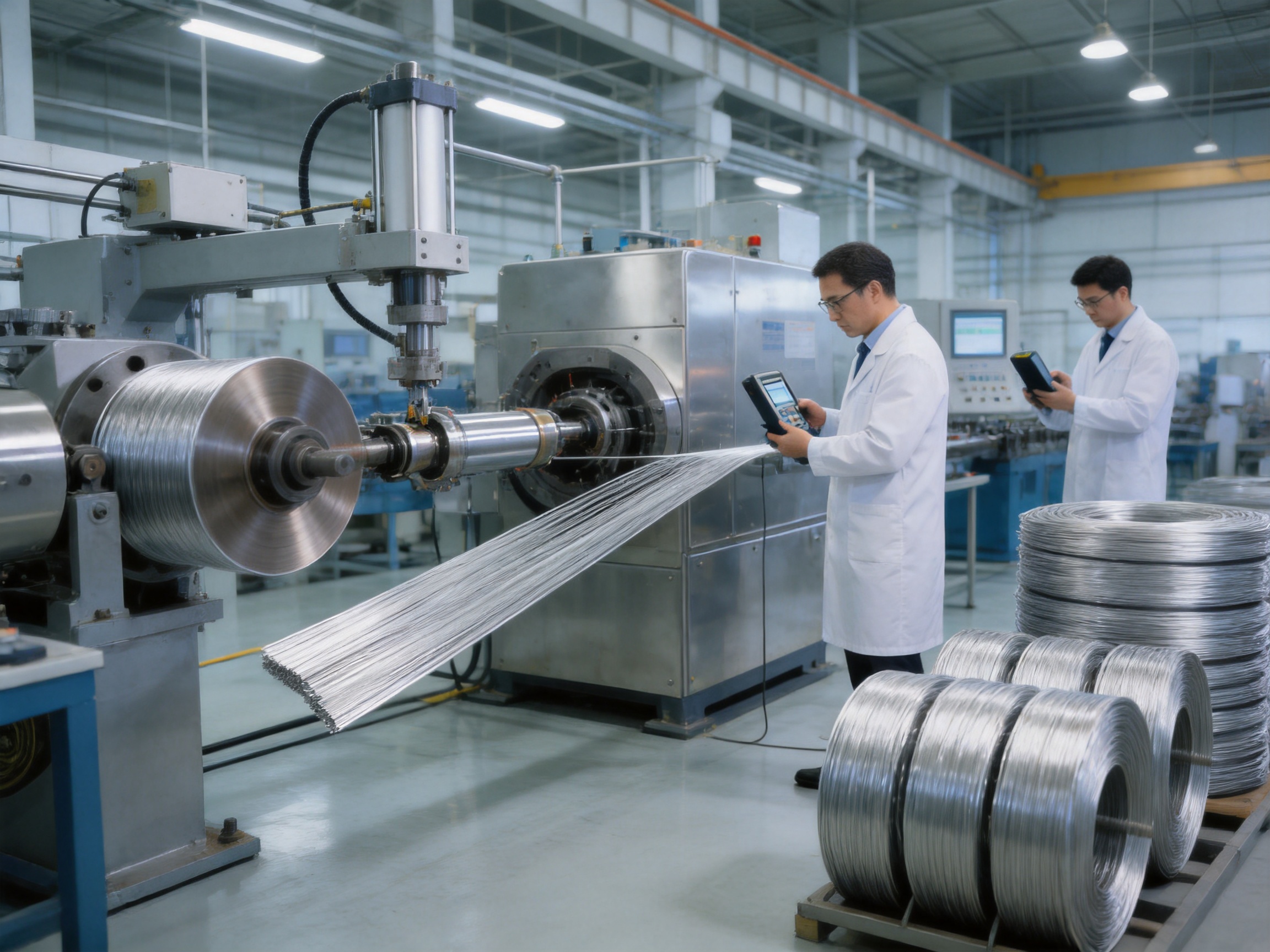
High-quality TIG wire begins long before the final product is packaged. The manufacturing philosophy must treat wire production as a chain of controlled operations rather than a single forming step. Each stage influences the next. Raw material purity affects melting behavior and porosity resistance. Alloy composition affects mechanical properties and weld soundness. Casting quality affects internal structure. Rod processing affects drawability. Drawing parameters affect surface finish and diameter control. Cleaning affects weld pool cleanliness. Packaging affects storage stability. Inspection confirms that every stage remains within acceptable limits.
Jiangsu Hetuo Aluminum Wire Co., Ltd. follows a customer-oriented approach in which product quality is defined by end-use performance. This is a crucial concept. For TIG wire, the customer does not simply need a coil or straight length of aluminum wire; the customer needs wire that welds smoothly, supports reliable joints, and helps production meet acceptance standards. Manufacturing decisions are therefore connected to welding performance. The company’s commitment to customer satisfaction is reflected in its focus on advanced equipment, systematic inspection, international quality standards, and practical application suitability.
The company’s intelligent manufacturing system covers high-purity aluminum wire, high-strength aluminum alloy wire, and aluminum/aluminum alloy welding materials. This manufacturing platform supports knowledge transfer between product categories. For example, high-purity aluminum wire production requires strict control of contamination and surface quality, while high-strength alloy wire production requires careful control of composition, deformation, and mechanical behavior. Welding wire production benefits from both areas because it must combine cleanliness with metallurgical performance and handling reliability.
Raw Material Selection and Composition Control
The first step in producing reliable TIG wire is selecting appropriate aluminum or aluminum alloy feedstock. Raw material quality determines the foundation of the final wire. High impurity levels can reduce weld quality, while inconsistent alloying elements can cause unpredictable weld metal behavior. The company’s manufacturing approach emphasizes strict control of material input to support compliance with international quality expectations and customer requirements.
Composition control is particularly important in aluminum welding because different base alloys require different filler materials. Some aluminum alloys are more prone to hot cracking and require filler composition adjustments to improve crack resistance. Others require corrosion compatibility, color matching after anodizing, or mechanical strength. While the specific alloy grade must be selected according to the customer’s welding procedure and base metal, the underlying production requirement remains the same: the filler wire must maintain a stable and verified chemical composition.
Advanced quality systems support traceability from raw material to finished product. Traceability helps identify which raw material batch, process route, inspection record, and packaging batch correspond to each delivery. This is valuable for industrial customers who need documentation, production consistency, and accountability. In demanding manufacturing environments, traceability is not merely administrative; it is a risk-control tool. If a question arises during welding or inspection, traceable records allow faster analysis and corrective action.
Melting, Casting, and Rod Preparation
Although the visible product is a fine, smooth welding wire, its quality is strongly influenced by upstream metallurgical preparation. Melting and casting conditions affect the distribution of alloying elements, inclusion levels, hydrogen content, and internal soundness. Aluminum is sensitive to hydrogen absorption, and dissolved hydrogen may contribute to porosity in cast and welded structures. Therefore, clean processing, controlled furnace practice, and appropriate quality checks are essential for producing welding materials with dependable performance.
Rod preparation provides the intermediate form for wire drawing. A high-quality rod should have good surface condition, uniform structure, suitable mechanical properties, and stable dimensions. If the rod contains surface defects, inclusions, segregation, or poor structure, drawing can magnify these defects and create wire problems. Careful rod preparation allows the subsequent drawing process to operate with fewer interruptions and better final quality.
The company’s broader capability in high-grade aluminum alloy rods and welding wires supports the production of TIG wire with improved consistency. By understanding both rod and wire requirements, the manufacturer can coordinate upstream and downstream process controls. This integration is a practical advantage over suppliers that rely heavily on external feedstock without full knowledge of its history or properties.
Precision Wire Drawing
Wire drawing is a critical stage in TIG wire manufacturing. During drawing, the aluminum rod is reduced through a series of dies to achieve the required diameter. The process must control reduction ratio, drawing speed, lubrication, die wear, temperature, and mechanical condition. Aluminum is softer than many metals, so surface handling is especially important. Poor drawing conditions may create scratches, embedded particles, die lines, or inconsistent diameter.
Precision drawing contributes to a smooth and uniform wire surface. In TIG welding, this matters because the wire surface enters the molten weld pool. Any surface residue or defect has the potential to affect weld cleanliness. A smooth wire surface also improves manual handling. Operators can feed the wire more comfortably and consistently. For automated or semi-automated feeding systems, surface quality and diameter control reduce feeding resistance and improve process repeatability.
Die condition plays an important role. Worn or damaged dies can produce out-of-tolerance wire, rough surfaces, or shape variation. Advanced manufacturers monitor and maintain tooling to ensure stable output. Drawing lubrication must also be controlled. Lubricants help reduce friction, heat, and die wear, but residues must be properly managed so that final welding wire remains clean. The balance between efficient drawing and final cleanliness requires experience and disciplined process control.
Surface Cleaning and Finish Control
Aluminum naturally forms an oxide layer when exposed to air. While this oxide layer protects aluminum from corrosion in normal service, it can complicate welding because aluminum oxide melts at a much higher temperature than aluminum itself. TIG welding equipment and technique help disrupt and manage oxide during welding, but filler wire surface condition remains important. Excessive oxide, oil, moisture, and particulates increase the risk of porosity and weld contamination.
The product’s manufacturing process emphasizes surface quality suitable for welding. Cleaning and finish control are used to reduce unwanted residues and support stable weld pool behavior. A clean wire helps the welder achieve brighter weld appearance, smoother flow, and reduced defect risk. This is especially important for visible welds, thin components, and high-standard industrial products where appearance and internal soundness are both evaluated.
Competitor products with insufficient surface control may appear acceptable in packaging but reveal problems during welding. Operators may notice arc instability, black soot around the weld, excessive smoke, poor wetting, or pinholes. These symptoms can waste time because welders may first suspect shielding gas, machine settings, or base metal preparation before identifying the filler wire as the cause. A wire manufactured with strong surface control reduces this uncertainty and supports faster process stabilization.
Diameter Tolerance, Straightness, and Handling
Diameter tolerance is one of the most measurable aspects of wire quality, but its importance extends beyond measurement. In TIG welding, the amount of filler metal added per unit length affects bead size, reinforcement, joint fill, heat balance, and final weld geometry. If wire diameter varies significantly, the welder may unconsciously change feeding rhythm to compensate. In automated systems, variation can affect feed rate and deposition consistency. Tight diameter tolerance therefore contributes to both visual uniformity and metallurgical repeatability.
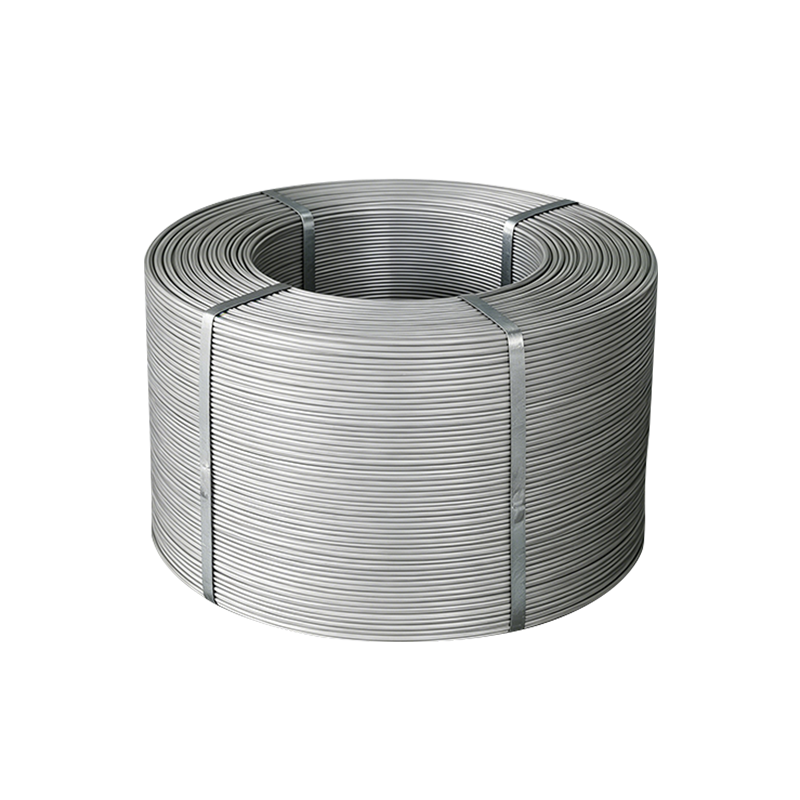
Straightness and cast condition also influence handling. TIG wire may be supplied in straight lengths or coil form depending on user needs and product specification. Straight wire should feed smoothly without excessive bending or springback. Coiled wire should unwind predictably. If wire is too soft, too hard, kinked, or poorly wound, the operator may struggle to maintain stable filler addition. Better handling reduces welder fatigue and improves bead consistency during long production shifts.
Packaging is part of handling quality. Aluminum wire must be protected from physical damage and environmental contamination during transport and storage. Moisture, dust, and mechanical abrasion can harm welding performance. Proper packaging helps preserve the surface condition achieved during manufacturing. Customers should also store the wire in a clean, dry area and avoid unnecessary exposure before welding.
Quality Inspection Throughout Production
The company strictly implements quality inspection throughout production. This approach is essential for welding materials because many defects are easier to prevent than to detect after shipment. Effective inspection may include raw material verification, chemical analysis, dimensional measurement, surface examination, mechanical property checks, process monitoring, packaging inspection, and documentation control. Each step contributes to reducing variation and improving customer confidence.
Full-process inspection has several advantages. First, it identifies deviations early, before they become large batches of nonconforming product. Second, it provides data for process improvement. Third, it supports traceability and accountability. Fourth, it allows the company to align production with customer standards and international expectations. For TIG wire users, this means more stable performance and fewer surprises during welding.
Quality inspection also supports long-term cooperation. Industrial buyers often need repeatable quality over many orders, not just a good initial sample. A supplier with a disciplined quality system can maintain consistency from batch to batch. This helps customers reduce incoming inspection pressure, simplify welding procedure control, and build confidence in production planning.
Manufacturing Strengths of the Company
Jiangsu Hetuo Aluminum Wire Co., Ltd. is located in the Small and Medium-sized Enterprises Park, Economic Development Zone, Guannan County, Lianyungang City, Jiangsu Province, China. The location provides a manufacturing base within an industrial development zone, supporting production organization, logistics, and access to industrial resources. The company was established in 2019 and has positioned itself as an innovative pioneer in China’s aluminum alloy materials industry.
The factory covers 40,000 square meters, which gives the company room for production lines, quality inspection, warehousing, technical management, and future capacity development. The company has 60 employees, including 30 professional managers and technicians. This staffing structure shows emphasis on both production execution and technical management. In materials manufacturing, technicians and managers are essential for process control, quality analysis, equipment maintenance, customer communication, and continuous improvement.
The company introduces advanced equipment and facilities, which is a critical factor in wire manufacturing. Equipment capability affects dimensional accuracy, surface condition, productivity, and repeatability. Advanced facilities also make it easier to implement stable process parameters and reduce manual variability. When supported by skilled personnel and quality systems, modern equipment becomes a strong competitive advantage.
The company has obtained ISO 9001 and IATF 16949 quality management system certifications. These certifications demonstrate commitment to structured quality management and process discipline. For customers in automotive, transportation, industrial machinery, and other demanding sectors, supplier quality systems can be as important as product specifications. Certifications do not replace product testing, but they provide assurance that the company follows recognized management principles and improvement mechanisms.
The company’s products comply with international quality standards and are exported to many high-end overseas markets. Export experience indicates that the company is familiar with the expectations of international customers, including documentation, packaging, delivery reliability, and quality consistency. Serving high-end overseas markets requires the ability to meet strict requirements and respond to technical feedback. This experience strengthens the company’s ability to support customers beyond its domestic market.
Technical Performance Factors in TIG Welding
To understand why premium TIG wire matters, it is useful to examine the technical factors that determine aluminum weld quality. These factors include shielding gas protection, base metal preparation, filler metal composition, heat input, oxide control, joint design, welding current, travel speed, and welder skill. The filler wire interacts with all of these variables. A good wire cannot compensate for every welding mistake, but it greatly improves the foundation for successful welding.
Porosity is one of the most common concerns in aluminum welding. It is often associated with hydrogen contamination from moisture, oil, grease, dirty base metal, or contaminated filler wire. Clean TIG wire helps reduce one potential source of hydrogen and contamination. When combined with dry shielding gas, clean base metal, proper storage, and suitable welding technique, it supports sound weld metal.
Hot cracking is another concern in aluminum alloys. It can occur when the weld metal composition and solidification behavior create a crack-sensitive microstructure under stress. Selecting the correct filler alloy for the base material is essential. The manufacturer’s composition control helps ensure that the selected wire grade performs as expected. Customers should always match filler metal selection with base material, joint design, and applicable standards.
Weld appearance is especially important in TIG welding. Many TIG welds are visible and expected to show a clean, uniform bead. Surface contamination, inconsistent wire melting, or poor diameter control can affect appearance. A premium wire helps create a smooth bead profile, consistent ripples, and reduced discoloration when used with proper technique.
Mechanical performance depends on weld metal chemistry, dilution with base metal, heat-affected zone behavior, and welding parameters. Filler wire consistency supports predictable weld metal properties. For structural or safety-related components, welding procedures may require qualification and testing. Using a stable wire from a qualified supplier helps maintain compliance with approved procedures.
Recommended Considerations for Use
To obtain the best performance from aluminum TIG wire, users should combine high-quality filler material with proper welding practice. The wire should be stored in a clean, dry environment, protected from moisture, dust, oil, and corrosive substances. Packaging should be opened only when needed, and unused wire should be resealed or protected. Operators should avoid touching the wire with oily gloves or placing it on dirty surfaces.
Base metal preparation is equally important. Aluminum surfaces should be cleaned to remove oil, grease, dirt, and excessive oxide. Mechanical cleaning with a stainless steel brush dedicated to aluminum may be used where appropriate, and chemical cleaning may be applied according to process requirements. Cleaning should be performed shortly before welding to reduce oxide reformation and contamination.
Shielding gas must be suitable and dry. Argon is commonly used for TIG welding aluminum, while argon-helium mixtures may be selected for thicker sections or special requirements. Gas flow should protect the weld pool without causing turbulence. Torch angle, arc length, and travel speed should be controlled to maintain stable shielding and heat input.
Filler wire feeding should be smooth and consistent. The operator should introduce the wire into the leading edge of the weld pool without contaminating the tungsten electrode. If the wire touches the tungsten, contamination may occur and arc stability may be affected. Proper training and good wire handling help achieve consistent results.
Welding parameters should be selected according to base material thickness, joint type, filler wire diameter, alloy, and equipment capability. Alternating current is commonly used for TIG welding aluminum because it helps with oxide cleaning action, though specific equipment settings vary. Pulse TIG may be used for thin materials or heat-sensitive assemblies. The filler wire should be selected as part of the complete welding procedure rather than as an isolated purchase decision.
Product Value for Different Industries
In transportation manufacturing, aluminum TIG wire supports lightweight design. Vehicles, rail components, trailers, and other transport systems increasingly use aluminum to reduce mass and improve energy efficiency. Welded joints must be reliable because they may experience vibration, fatigue, and environmental exposure. A consistent filler wire helps manufacturers maintain weld quality across repeated production cycles.
In marine and outdoor applications, aluminum alloys are often chosen for corrosion resistance. Welding materials must be selected carefully to preserve corrosion performance and avoid galvanic or metallurgical problems. Clean, controlled TIG wire helps produce sound welds for components exposed to moisture and weather, provided the correct alloy grade is selected for the base material and environment.
In machinery and equipment manufacturing, precision matters. TIG welding is often used for components requiring neat appearance, controlled distortion, and accurate weld placement. High-quality wire supports these goals by improving weld pool control and reducing defect risk. For machine builders, fewer welding defects mean shorter production cycles and improved customer satisfaction.
In architectural and decorative metalwork, weld appearance may be a major acceptance criterion. Aluminum railings, frames, panels, fixtures, and visible structures often require clean weld beads and minimal post-weld finishing. A premium TIG wire can reduce grinding, polishing, and repair work by supporting smooth weld formation from the beginning.
In maintenance and repair, TIG wire provides flexibility and control. Repair welding may involve complex shapes, localized damage, or limited access. A wire that melts smoothly and handles well allows technicians to make precise repairs with confidence. Consistency is especially valuable when repair conditions are already challenging.
Comparison Table: Premium TIG Wire and Ordinary Low-Control Wire
| Evaluation Factor | Premium TIG Wire from a Controlled Manufacturer | Ordinary Low-Control Wire |
|---|---|---|
| Chemical Composition | Controlled through quality management and batch verification to support stable weld properties. | May show wider variation, increasing the risk of inconsistent weld strength or cracking behavior. |
| Surface Cleanliness | Produced with attention to surface finish and contamination reduction for cleaner welding. | May contain oil, dust, excessive oxide, or residues that contribute to porosity and discoloration. |
| Diameter Consistency | Precision drawing helps maintain stable diameter and predictable filler addition. | Diameter variation may cause inconsistent melting, bead size changes, and feeding difficulty. |
| Process Control | Supported by advanced equipment, full-process inspection, and certified quality systems. | Often dependent on limited inspection or basic production control. |
| Traceability | Batch management and quality documentation support customer requirements and issue analysis. | Traceability may be limited, making quality investigation more difficult. |
| Welding Performance | Designed for stable arc behavior, smooth melting, good bead appearance, and reduced defect risk. | Performance may vary between batches, increasing rework and production uncertainty. |
| Total Cost | Higher reliability can reduce rework, scrap, inspection failures, and downtime. | Lower initial price may be offset by hidden costs from defects and inconsistent quality. |
Why Quality Systems Matter for Welding Consumables
Welding consumables are often small compared with the final structure, but their influence is large. A few meters of poor-quality filler wire can compromise an expensive assembly. For this reason, quality systems are essential. ISO 9001 and IATF 16949 certifications indicate that the company has built processes for managing quality requirements, monitoring production, addressing nonconformities, and improving performance.
For customers, a certified quality system means that the supplier is more likely to provide consistent documentation, maintain process records, control changes, and respond effectively to technical issues. This is particularly important in industries where welding procedures are qualified and production must follow defined standards. If a welding wire changes unexpectedly in composition, surface condition, or mechanical behavior, it may affect the customer’s process. A strong quality system helps prevent uncontrolled variation.
IATF 16949 is especially valuable for customers connected to automotive and mobility industries. It emphasizes defect prevention, risk-based thinking, process capability, traceability, and continual improvement. Even when TIG wire is used outside automotive applications, this type of quality discipline benefits customers by raising expectations for manufacturing control.
Sustainability and Lightweight Manufacturing
Aluminum is closely connected with modern sustainability goals because it supports lightweight design, recyclability, corrosion resistance, and long service life. Lighter structures can reduce energy consumption in transportation and equipment operation. Durable corrosion-resistant aluminum components may require less maintenance and replacement. High-quality welding materials contribute to these sustainability benefits by helping create reliable joints with reduced rework and scrap.
The company aims to provide lighter, stronger, and more sustainable aluminum alloy wire and welding material solutions for global industries. TIG wire supports this mission by enabling precise joining of aluminum structures. A weld that is done correctly the first time saves energy, labor, filler material, shielding gas, and base metal. Reducing defects is therefore not only an economic benefit but also a sustainability benefit.
Advanced manufacturing also supports resource efficiency. Controlled production reduces waste caused by out-of-tolerance wire, surface defects, or rejected batches. Improved process repeatability means fewer production interruptions and better material utilization. As global industries pay more attention to environmental responsibility, suppliers that combine quality and efficiency become increasingly valuable partners.
Customization and Customer-Oriented Support
Different customers may require different TIG wire specifications, packaging forms, alloy grades, diameters, or documentation. A customer-oriented manufacturer must be able to understand application needs and align production with practical requirements. Jiangsu Hetuo Aluminum Wire Co., Ltd. is guided by customer needs and committed to customer satisfaction, which supports flexible cooperation and long-term service.
Technical communication is important when selecting aluminum welding wire. Customers should identify base material grade, thickness, joint design, service conditions, welding process, required mechanical properties, corrosion expectations, post-weld treatment, and applicable standards. With this information, supplier and customer can discuss suitable filler material options and quality requirements. Proper selection reduces the risk of weld defects and performance mismatch.
For industrial buyers, supplier responsiveness matters. When production schedules are tight, delays or inconsistent quality can disrupt assembly lines. A manufacturer with organized production capacity, quality records, and export experience can better support stable supply. The company’s factory scale and professional team help provide this reliability.
Packaging, Storage, and Delivery Considerations
Packaging protects TIG wire from contamination and damage. Because aluminum filler wire surface condition is critical, packaging must prevent abrasion, moisture exposure, dust accumulation, and bending damage. Customers should inspect packaging upon receipt and store the wire in suitable conditions. If packaging is damaged, the wire should be checked before use.
Storage areas should be dry, clean, and temperature-stable when possible. Rapid temperature changes may cause condensation, especially if cold wire is moved into a warm humid shop. Condensation can introduce moisture that increases porosity risk. Users should allow materials to acclimate before opening packaging if necessary.
During handling, wire should not be placed directly on dirty workbenches, floors, or oily surfaces. Operators should use clean gloves and avoid unnecessary contact. For critical welding applications, shops may implement controlled filler wire storage procedures, including labeling, batch tracking, and limited exposure time. These practices maximize the benefits of premium manufacturing quality.
Common Welding Challenges and How Quality TIG Wire Helps
One common challenge is porosity. Quality TIG wire helps by reducing one source of contamination, especially when surface cleaning and packaging are well controlled. However, users must also manage base metal cleanliness, shielding gas quality, and environmental conditions. A premium wire is a strong foundation, not a substitute for good welding practice.
Another challenge is inconsistent bead shape. Diameter variation, poor wire straightness, and unstable melting can contribute to irregular bead geometry. Precision-manufactured TIG wire supports a steadier filler addition rate and smoother weld pool behavior. This helps welders maintain uniform bead width and reinforcement.
Arc instability may result from tungsten contamination, poor grounding, shielding problems, machine settings, or contaminated filler wire. Clean wire reduces the likelihood that the filler material itself causes instability. When combined with correct equipment setup, it supports smooth welding.
Black residue or soot can occur when contamination, poor shielding, or incorrect parameters are present. A wire with controlled surface cleanliness helps reduce this issue. If blackening persists, users should also review gas flow, torch angle, base metal cleaning, and current settings.
Hot cracking can be influenced by filler selection. Quality manufacturing ensures the chosen alloy composition is controlled, but customers must choose the correct filler grade for the base alloy and service requirement. Supplier technical communication and adherence to welding standards are important in preventing cracking problems.
Q&A: Practical Questions About TIG Wire
What is TIG wire used for?
TIG wire is used as filler material in gas tungsten arc welding, commonly called TIG welding. In aluminum applications, it is mainly used for non-melting electrode argon arc welding, where a tungsten electrode creates the arc and argon shielding gas protects the weld pool. The wire is added to fill the joint, build the weld bead, and provide the required weld metal composition.
Why is aluminum TIG wire quality so important?
Aluminum welding is sensitive to contamination, oxide, hydrogen, and composition variation. Poor-quality wire can contribute to porosity, unstable arc behavior, inconsistent bead appearance, weak welds, or cracking. High-quality TIG wire improves process stability and reduces rework risk.
What makes this TIG wire competitive?
Its competitiveness comes from controlled manufacturing, surface cleanliness, dimensional consistency, composition control, advanced equipment, full-process inspection, and the company’s ISO 9001 and IATF 16949 certified quality management systems. These strengths support more consistent welding performance than ordinary low-control wire.
Can one TIG wire be used for all aluminum alloys?
No. Aluminum filler wire should be selected according to the base material, joint design, mechanical requirements, corrosion environment, and applicable welding standards. Different aluminum alloys may require different filler compositions. Users should confirm compatibility before production welding.
How should TIG wire be stored?
It should be stored in a clean, dry place, protected from moisture, dust, oil, and physical damage. Packaging should remain sealed until use, and unused wire should be protected after opening. Clean handling helps preserve the surface quality needed for sound welding.
Although premium wire may not always have the lowest purchase price, it can reduce total cost by lowering defect rates, rework, scrap, downtime, and inspection failures. Stable welding performance improves productivity and helps protect expensive components from avoidable welding problems.
What role does the company’s manufacturing scale play?
A 40,000-square-meter factory, advanced equipment, professional managers and technicians, and strict quality control provide a strong foundation for stable production. Manufacturing scale supports organized process flow, inspection capacity, inventory management, and reliable delivery.
Why are ISO 9001 and IATF 16949 certifications relevant?
These certifications show that the company follows recognized quality management principles. ISO 9001 supports general quality system discipline, while IATF 16949 reflects stricter expectations often associated with automotive supply chains, including traceability, risk prevention, and continuous improvement.
Conclusion
TIG wire is a critical material for precision aluminum welding. Its quality affects weld cleanliness, arc stability, bead appearance, mechanical performance, porosity resistance, and production efficiency. The TIG wire produced by Jiangsu Hetuo Aluminum Wire Co., Ltd. is designed for non-melting electrode argon arc welding and benefits from the company’s specialized focus on aluminum wire, high-strength aluminum alloy wire, and aluminum/aluminum alloy welding materials.
The product’s advantages over ordinary competitors are rooted in controlled material selection, composition stability, precision drawing, clean surface finish, dimensional consistency, strict inspection, protective packaging, and certified quality management. These strengths help customers reduce hidden costs and improve welding reliability. In demanding industries, welding consumables must do more than meet basic appearance expectations; they must support repeatable production and long-term product performance.
With advanced equipment, a 40,000-square-meter manufacturing base, professional technical personnel, ISO 9001 and IATF 16949 certifications, and export experience in high-end overseas markets, Jiangsu Hetuo Aluminum Wire Co., Ltd. provides a strong manufacturing platform for aluminum welding materials. Its TIG wire offers a practical solution for customers seeking stable quality, clean welding behavior, and dependable supply in modern aluminum fabrication.
References
American Welding Society. Welding Handbook: Welding Processes, Part 1.
American Welding Society. Specification for Bare Aluminum and Aluminum-Alloy Welding Electrodes and Rods.
ASM International. ASM Handbook, Volume 6: Welding, Brazing, and Soldering.
International Organization for Standardization. ISO 9001 Quality Management Systems Requirements.
International Automotive Task Force. IATF 16949 Automotive Quality Management System Standard.
The Aluminum Association. Aluminum Standards and Data.
Mathers, Gene. The Welding of Aluminium and Its Alloys.
Kou, Sindo. Welding Metallurgy.