

 English
 中文简体
中文简体 русский
 Deutsch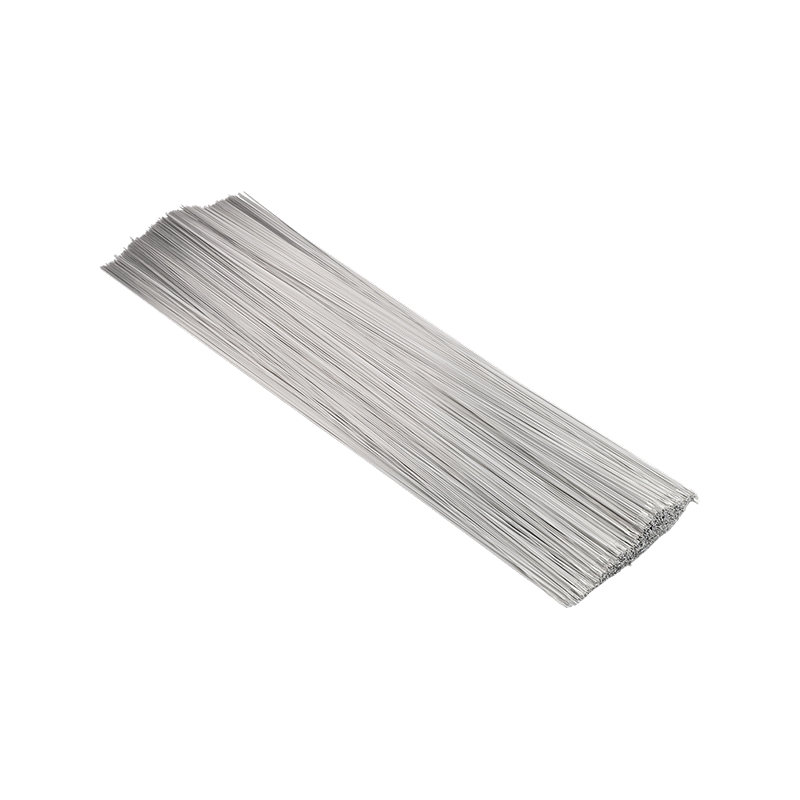
In modern metal fabrication, the demand for lightweight, corrosion-resistant, high-integrity welded structures continues to rise across transportation, energy equipment, electronics, pressure vessels, construction, marine engineering, and precision manufacturing. Aluminum and aluminum alloys have become indispensable materials because they combine low density with excellent formability, thermal conductivity, electrical conductivity, and natural corrosion resistance. Yet aluminum welding is technically demanding. It requires a filler material that melts consistently, feeds smoothly, maintains stable chemistry, and produces clean weld deposits with dependable mechanical properties. TIG wire, also known as tungsten inert gas welding wire or gas tungsten arc welding filler wire, is one of the most important consumables for achieving high-quality aluminum welds.
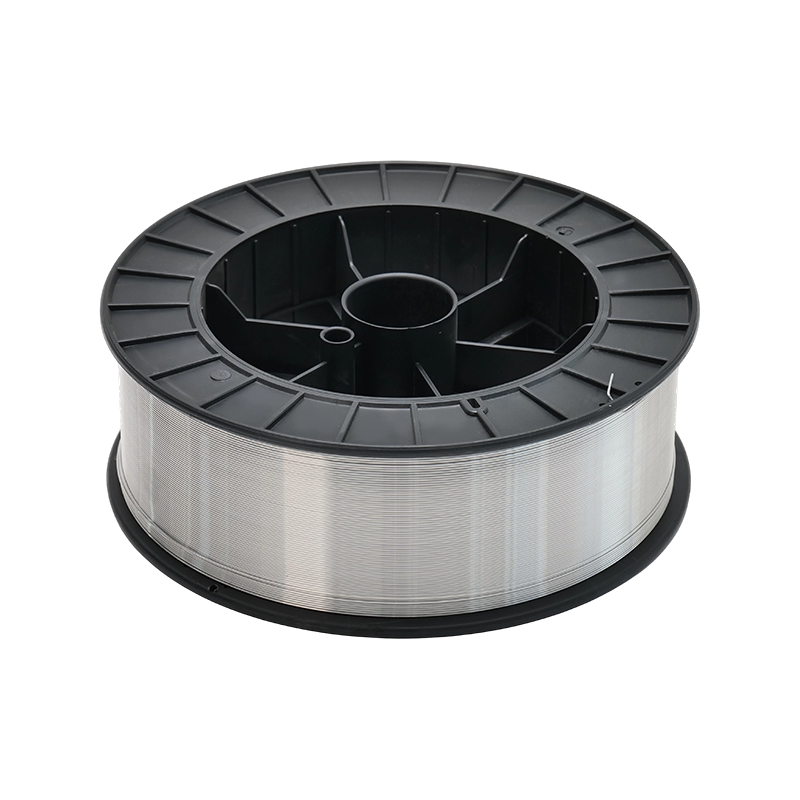
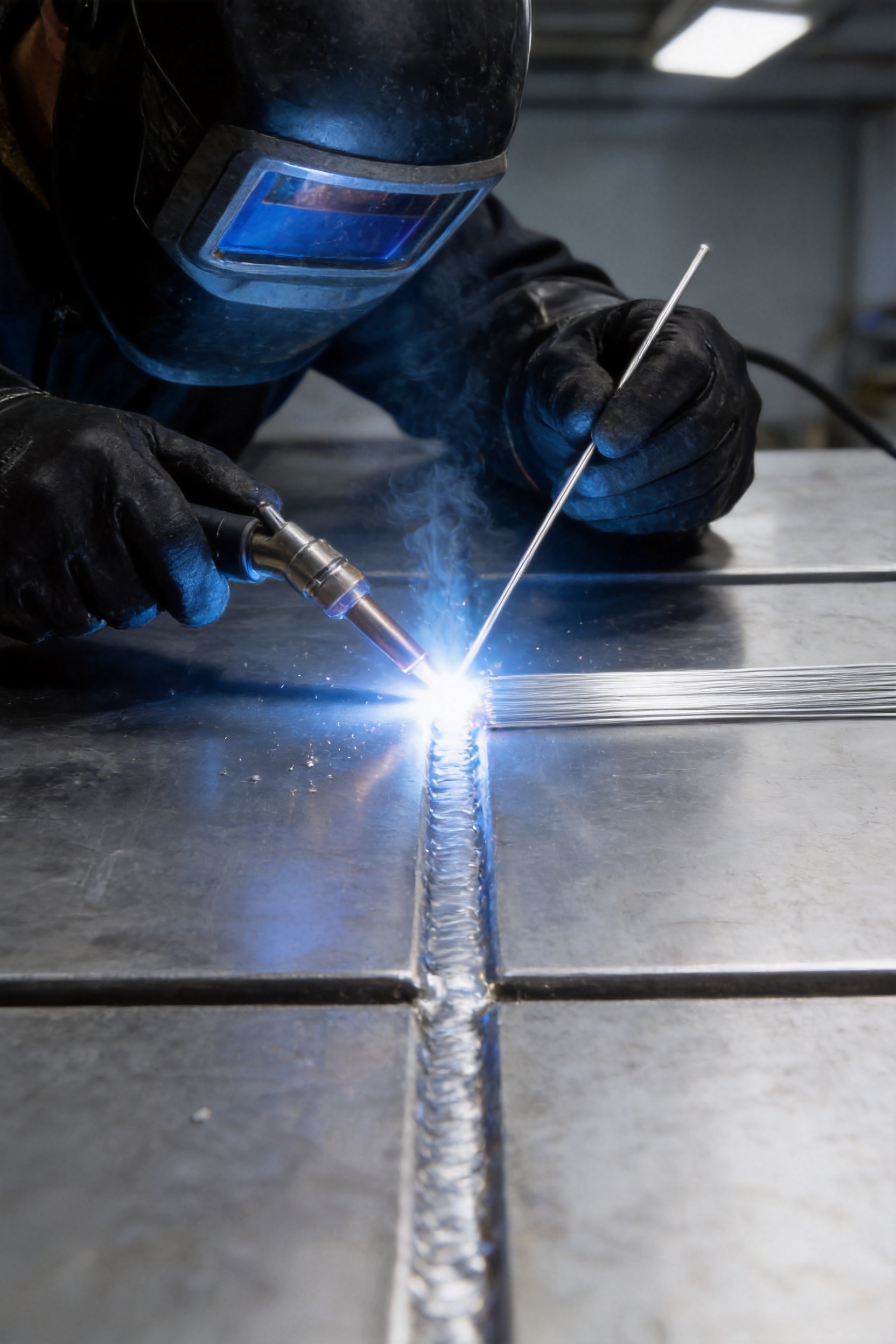
The TIG Wire introduced here is designed mainly for non-melting electrode argon arc welding, a process widely recognized for producing precise, clean, and visually refined welds. In TIG welding, a non-consumable tungsten electrode creates the arc, while the filler wire is added separately into the weld pool. This separation gives the welder exceptional control over heat input, bead shape, penetration, and filler addition. For aluminum welding, where oxide films, thermal conductivity, and distortion must be carefully controlled, the quality of the TIG wire directly affects weld consistency, productivity, and final performance.
Jiangsu Hetuo Aluminum Wire Co., Ltd. manufactures aluminum and aluminum alloy welding materials as part of an intelligent manufacturing system that also covers high-purity aluminum wire and high-strength aluminum alloy wire. Established in 2019 and located in the Guannan Economic Development Zone of Lianyungang, Jiangsu Province, China, the company operates with a clear focus on customer needs, quality stability, and advanced aluminum alloy material solutions. With a 40,000-square-meter factory, professional technical and management personnel, modern equipment, and certified quality management systems including ISO 9001 and IATF 16949, the company provides TIG wire products intended for demanding industrial applications and overseas high-end markets.
Content
- 1 What Makes Aluminum TIG Wire Important?
- 2 Product Overview: TIG Wire for Non-Melting Electrode Argon Arc Welding
- 3 Core Product Advantages Over Ordinary TIG Wire
- 4 Comparison With Common Market Alternatives
- 5 Advanced Manufacturing Strength Behind the Product
- 6 Technical Considerations in Aluminum TIG Welding
- 7 Applications and Industry Value
- 8 Why Manufacturing Scale and Technical Personnel Matter
- 9 Quality Certifications and International Market Confidence
- 10 How High-Quality TIG Wire Improves Welding Economics
- 11 Storage and Handling Recommendations
- 12 Selection Guidance for Buyers
- 13 Environmental and Sustainability Considerations
- 14 Customer-Oriented Manufacturing Philosophy
- 15 Role of TIG Wire in High-Grade Aluminum Alloy Solutions
- 16 Common Welding Challenges and How Better TIG Wire Helps
- 17 Q&A Section
- 17.1 Q1: What is the main use of this TIG Wire?
- 17.2 Q2: Why is surface cleanliness important for aluminum TIG wire?
- 17.3 Q3: How does high-quality TIG wire reduce production costs?
- 17.4 Q4: What advantages does the manufacturer offer?
- 17.5 Q5: Can TIG wire quality affect weld strength?
- 17.6 Q6: Is this wire suitable for automated TIG welding?
- 17.7 Q7: How should aluminum TIG wire be stored?
- 17.8 Q8: Why are ISO 9001 and IATF 16949 important?
- 17.9 Q9: What industries can use aluminum TIG wire?
- 17.10 Q10: What should buyers consider when choosing TIG wire?
- 18 Conclusion
- 19 References
- 20 Product: TIG Wire
What Makes Aluminum TIG Wire Important?
Aluminum is a unique welding material. Its surface naturally forms a thin oxide layer that has a much higher melting point than the aluminum base metal underneath. Aluminum also conducts heat rapidly, making it harder to maintain a localized molten pool compared with steel. In addition, many aluminum alloys are sensitive to chemical composition, contamination, porosity, and improper heat input. These factors mean that the filler wire must be produced with exceptional attention to purity, dimensional precision, surface cleanliness, and alloy consistency.
TIG wire plays a central role in this process. It must melt at a predictable rate, combine smoothly with the base material, and produce a weld bead that meets the required strength, ductility, corrosion resistance, appearance, and crack resistance. For industries where welding quality is directly connected to service safety, such as vehicle manufacturing, pressure components, shipbuilding, rail transit, aerospace-related fabrication, power equipment, and precision structures, the filler wire cannot be treated as an ordinary accessory. It is a functional material that determines the integrity of the final assembly.
Compared with processes that emphasize speed above all else, TIG welding is often selected where weld appearance, accuracy, repairability, and metallurgical quality matter. Aluminum TIG wire therefore needs to perform reliably in conditions where welders and inspectors can immediately see defects such as black deposits, unstable bead edges, spatter, excessive oxidation, incomplete fusion, porosity, or poor feeding. A high-quality TIG wire helps reduce these problems by offering stable alloy composition, bright surface finish, suitable stiffness, consistent diameter, and low surface contamination.
Product Overview: TIG Wire for Non-Melting Electrode Argon Arc Welding
This TIG Wire is categorized under aluminum and aluminum alloy welding materials. It is mainly used for non-melting electrode argon arc welding, where an inert argon shielding gas protects the molten pool from atmospheric oxygen, nitrogen, and moisture. When properly matched with a suitable aluminum base alloy and welding procedure, the wire supports clean weld formation, stable deposition, and refined bead appearance.
The product is intended for use in manual TIG welding, automated TIG welding, repair welding, precision fabrication, prototype production, structural joining, and applications requiring high weld cleanliness. It can be applied in industries that require aluminum or aluminum alloy joints with reliable performance and attractive surface quality. Depending on the alloy grade selected, TIG wire may be used to improve crack resistance, strength, corrosion resistance, color matching after anodizing, or compatibility with particular base metals.
One of the key advantages of well-manufactured aluminum TIG wire is its ability to deliver a controlled filler addition process. Because TIG welding often involves manual feeding, the wire must have an appropriate balance of straightness, stiffness, smoothness, and surface finish. If the wire is too soft, bent, dirty, or inconsistent in diameter, the welder may struggle to maintain a smooth rhythm, and weld quality can suffer. If the wire has poor surface cleaning, the weld pool may become contaminated, leading to porosity or dark residues. A carefully produced TIG wire helps the welder focus on technique rather than compensating for material instability.
Core Product Advantages Over Ordinary TIG Wire
In a competitive market, aluminum TIG wire may appear similar from the outside, but the difference becomes clear during welding and inspection. High-performance TIG wire distinguishes itself through alloy precision, surface cleanliness, dimensional control, mechanical handling properties, and traceable production quality. These factors combine to reduce welding defects, improve productivity, and support more predictable final performance.
Stable Chemical Composition
The chemical composition of aluminum welding wire must remain within specified limits. Even small deviations in magnesium, silicon, manganese, copper, iron, or other elements may change weld strength, crack sensitivity, corrosion resistance, and color response. Jiangsu Hetuo Aluminum Wire Co., Ltd. emphasizes strict quality inspection throughout production and uses controlled manufacturing practices to maintain consistent composition. This provides customers with filler wire that supports stable welding results from batch to batch.
Compared with lower-grade alternatives, compositionally stable TIG wire reduces the risk of unexpected weld behavior. A fabricator using inconsistent wire may notice that one batch flows well while another creates cracks or uneven bead color. Such inconsistency increases rework, delays delivery, and damages customer confidence. High-quality TIG wire helps avoid these issues by giving engineers and welders predictable performance.
Clean and Smooth Surface Quality
Surface quality is especially important in aluminum welding because contaminants such as oil, dust, drawing lubricant residue, oxide particles, and moisture can enter the weld pool and create porosity or inclusions. A premium TIG wire requires careful surface treatment, handling, and packaging to preserve cleanliness. A bright, smooth surface also makes manual feeding more comfortable and helps maintain stable addition into the weld pool.
Ordinary wire may contain surface scratches, irregularities, or residues that become visible during welding. These defects may cause arc instability, smoky deposits, or poor bead appearance. By contrast, a wire produced with attention to surface finish supports a cleaner molten pool and a more refined weld bead. This is particularly valuable when welding visible structures, decorative aluminum products, precision equipment, or components that require minimal post-weld finishing.
Consistent Diameter and Reliable Feeding
Even though TIG wire is usually hand-fed rather than continuously fed through a wire feeder, diameter consistency still matters. A uniform diameter ensures predictable melting rate and filler volume. In automated or semi-automated TIG systems, dimensional accuracy becomes even more critical because feeding equipment depends on stable wire geometry. Variations in diameter can change the amount of filler added per unit time, leading to inconsistent weld reinforcement, penetration, or bead width.
Advanced drawing and inspection processes help maintain tight dimensional control. This gives the TIG wire a reliable feel in use and helps welders maintain repeatable techniques. For production welding, repeatability is often as important as peak performance. A product that performs consistently over long production runs can help reduce inspection failures and improve manufacturing efficiency.
Appropriate Straightness and Handling
TIG wire should be easy to handle, cut, store, and feed into the weld pool. Poorly straightened wire can spring, bend unpredictably, or force the welder into awkward movements. Excessively rough or soft wire may be inconvenient during precision work. Through controlled processing, TIG wire can achieve suitable mechanical handling properties, allowing welders to maintain smooth filler addition and better control over bead shape.
This advantage is particularly important in manual TIG welding, where the welder’s rhythm determines the final bead. Smooth, consistent wire reduces fatigue and helps achieve better visual results. In high-skill welding tasks, the best consumables are those that disappear into the process: they do not distract the welder, interrupt the arc, or require constant adjustment.
Reduced Welding Defects
The main defects associated with aluminum TIG welding include porosity, hot cracking, lack of fusion, oxide inclusions, excessive oxidation, undercut, and inconsistent bead geometry. While welding parameters and operator skill are crucial, filler wire quality is also a major factor. Clean, properly alloyed TIG wire contributes to lower defect rates by reducing contamination, supporting stable molten pool behavior, and matching the metallurgical needs of the base metal.
In commercial fabrication, fewer defects translate into measurable economic benefits. Lower rework rates mean less labor, less grinding, less material waste, fewer delays, and higher customer satisfaction. For safety-critical components, defect reduction also lowers risk and supports compliance with inspection requirements.
Compatibility With High-Quality Industrial Welding
Premium aluminum TIG wire is suitable for demanding applications that require repeatable welding quality. It can be used by manufacturers producing components for vehicles, electrical equipment, machinery, frames, tanks, heat exchangers, marine structures, ladders, railings, aluminum profiles, precision assemblies, and repair parts. Its performance advantages are most visible where weld reliability, appearance, and process stability are essential.
Comparison With Common Market Alternatives
Many buyers choose welding wire based primarily on price, but this approach can be misleading. A cheaper wire may increase hidden costs through porosity, inconsistent welds, poor appearance, excessive cleaning, wire waste, customer complaints, or failed inspections. High-performance TIG wire may reduce total production cost by improving welding efficiency and reducing rework.
| Evaluation Item | High-Quality Aluminum TIG Wire | Common Low-Grade Alternative | Practical Impact |
|---|---|---|---|
| Chemical Consistency | Controlled alloy composition with stable batch performance | Greater variation between batches | More predictable weld strength and crack resistance |
| Surface Cleanliness | Smooth, clean surface with reduced contamination risk | Possible oil, oxide, dust, or drawing residue | Lower porosity and cleaner bead appearance |
| Diameter Accuracy | Consistent diameter and stable melting behavior | Irregular diameter and uneven filler addition | Improved bead uniformity and process control |
| Handling Performance | Good straightness and comfortable manual feeding | Unstable bending, roughness, or poor straightness | Better welder efficiency and reduced fatigue |
| Quality Management | Produced under certified quality systems and inspection procedures | May lack traceable quality control | Greater confidence for industrial procurement |
| Total Cost | Higher value through reduced defects and rework | Lower purchase price but higher hidden cost | Better long-term manufacturing economy |
This comparison shows why procurement teams should evaluate TIG wire as a performance material rather than a simple consumable. When welding quality affects product value, delivery time, and customer trust, filler wire quality becomes a strategic choice.
Advanced Manufacturing Strength Behind the Product
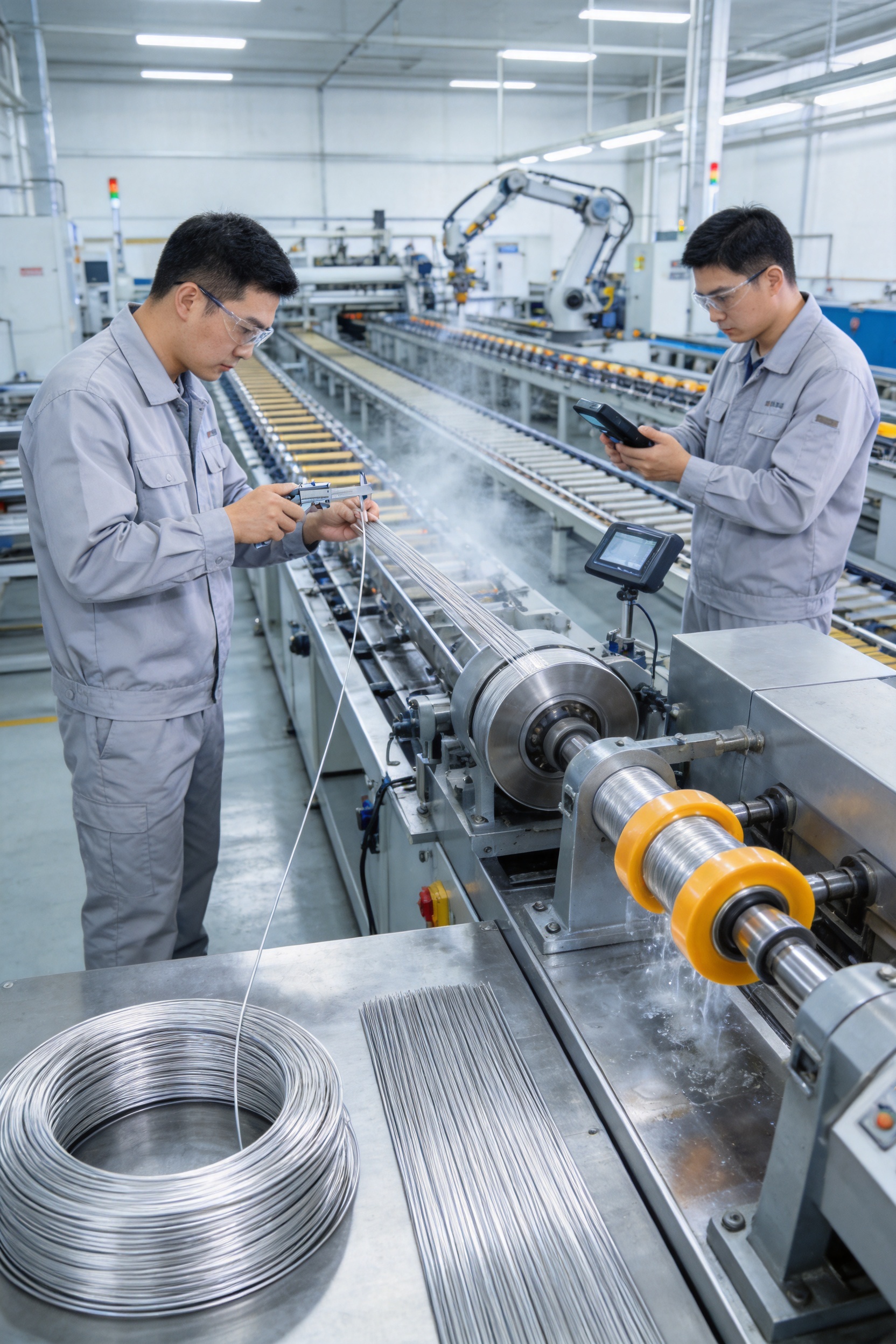
Jiangsu Hetuo Aluminum Wire Co., Ltd. has developed an intelligent manufacturing system covering high-purity aluminum wire, high-strength aluminum alloy wire, and aluminum/aluminum alloy welding materials. This integrated capability is important because TIG wire quality depends on the entire production chain, from raw material selection to melting, casting, rolling, drawing, surface treatment, inspection, packaging, and shipment. A manufacturer with comprehensive aluminum wire expertise can better control each stage and respond to customer needs with technical understanding.
The company’s factory covers 40,000 square meters and is equipped to support modern production and quality inspection. With 60 employees, including 30 professional managers and technicians, the enterprise combines practical manufacturing experience with technical oversight. This structure helps ensure that production is not only efficient but also guided by process discipline, material knowledge, and customer-oriented problem solving.
Raw Material Control
The quality of TIG wire begins with the raw material. Aluminum and alloying elements must be selected and controlled to meet product requirements. Impurities can influence conductivity, corrosion resistance, ductility, weldability, and surface finish. For welding wire, impurity control is especially important because contaminants may directly affect weld metal performance.
Raw material verification, supplier management, and composition analysis help build a reliable foundation for production. By emphasizing international quality standards and strict inspection, the manufacturer reduces the chance that unstable raw materials will enter the production process. This is a major advantage over producers that rely on inconsistent raw sources or limited testing.
Melting and Alloying Discipline
During melting and alloying, process control determines whether the final wire will have uniform composition and metallurgical stability. Proper temperature control, alloy addition, stirring, degassing, and impurity management are essential. If composition is uneven or gas content is excessive, the final welding wire may contribute to porosity or inconsistent weld properties.
A disciplined melting process supports stable downstream processing and reliable welding behavior. The goal is not only to meet nominal composition but also to create a uniform material that can be drawn and finished without hidden defects. This foundation helps the wire perform consistently during TIG welding.
Casting and Rod Preparation
Aluminum welding wire production usually involves casting or preparing alloy rods that will later be processed into smaller diameters. Rod quality affects drawability, surface condition, internal soundness, and final wire consistency. Defects introduced at this stage can remain through the process and become welding problems later.
Advanced equipment and inspection methods help control rod dimensions, surface quality, and internal uniformity. A stable rod preparation process allows the manufacturer to produce TIG wire with fewer breaks, better surface finish, and improved dimensional accuracy. It also supports more efficient production, which benefits customers through stable supply capability.
Precision Drawing
Wire drawing reduces the rod to the required diameter through a series of dies. This process must be carefully managed to prevent surface damage, excessive work hardening, inconsistent diameter, or contamination. Die quality, lubrication control, reduction schedule, tension, and cleaning all influence the final wire.
For TIG wire, drawing precision is essential because the finished wire is directly handled by welders and may be used in automated feeding systems. Smooth drawing creates a consistent surface and stable geometry. Poor drawing may leave scratches, embedded particles, or irregular shape. By investing in proper drawing equipment and process control, the manufacturer strengthens the product’s competitive advantage.
Surface Treatment and Cleaning
Surface cleanliness is one of the most visible and important features of aluminum TIG wire. After drawing, the wire must be processed to remove unwanted residues and achieve a surface suitable for welding. Cleaning and finishing must be thorough but controlled, avoiding damage to the wire while reducing contamination.
High-quality surface treatment helps improve arc stability, molten pool cleanliness, and bead appearance. It also supports storage stability when combined with suitable packaging. Customers benefit because they can reduce pre-weld cleaning effort and achieve better first-pass weld quality.
Straightening, Cutting, and Packaging
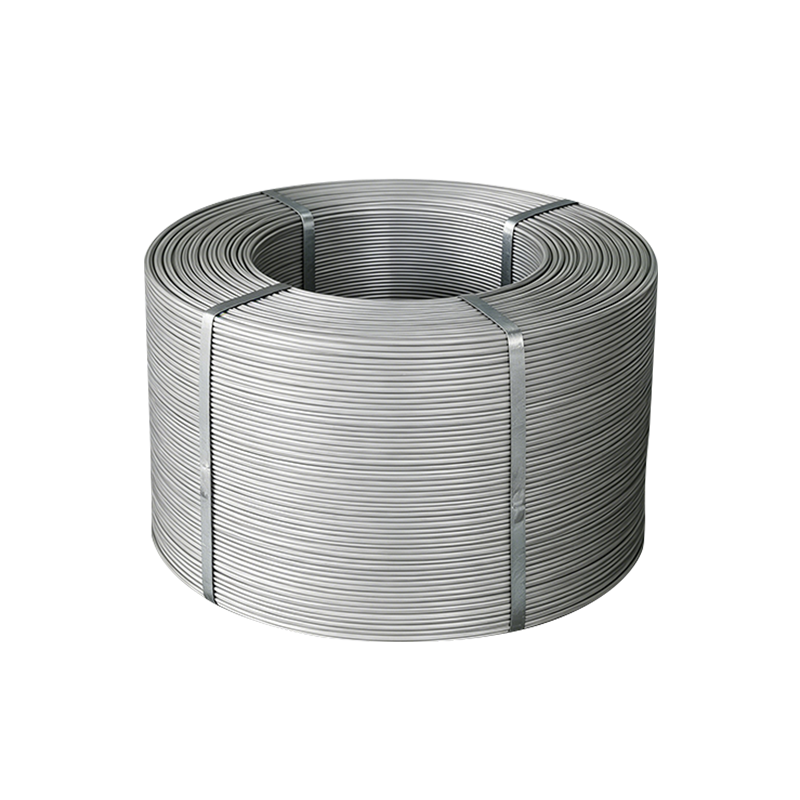
TIG wire is often supplied in straight lengths for manual welding. Straightening and cutting must produce wire that is easy to handle and consistent in length. Poor straightening can cause inconvenience during welding, while rough cutting can create burrs or sharp ends. Packaging must protect the wire from bending, abrasion, moisture, and contamination during transportation and storage.
Good packaging is not merely cosmetic. Aluminum welding wire can be sensitive to surface contamination, so protective packaging helps preserve product quality until use. For export markets and long-distance logistics, packaging reliability becomes even more important. A professional manufacturer understands that product performance must be maintained not only at the factory gate but also at the customer’s welding station.
Quality Inspection Throughout Production
The company strictly implements quality inspection throughout production. This includes checks related to raw materials, chemical composition, dimensions, surface quality, mechanical properties, process parameters, and finished product packaging. Continuous inspection reduces the likelihood that defects will accumulate unnoticed.
ISO 9001 certification indicates a structured quality management system, while IATF 16949 certification reflects a higher level of discipline associated with automotive quality requirements. For customers, these certifications provide confidence that production processes are standardized, monitored, and improved over time. In industrial procurement, such certifications are often essential because they support traceability, accountability, and supplier qualification.
Technical Considerations in Aluminum TIG Welding
To understand the value of TIG wire, it is useful to review key technical factors in aluminum TIG welding. The filler wire is only one part of the process, but it interacts with shielding gas, tungsten electrode condition, base metal preparation, welding current, joint design, travel speed, and operator technique.
Shielding Gas Protection
Argon is commonly used for aluminum TIG welding because it provides stable arc starting, good shielding, and suitable arc characteristics. The TIG wire is added into a molten pool protected by argon gas. If shielding is insufficient, atmospheric contamination can lead to oxidation, porosity, and poor weld appearance. Clean filler wire works together with proper shielding to produce sound welds.
Even the best TIG wire cannot compensate for inadequate shielding, but clean wire reduces the contamination burden on the process. When both wire and gas protection are well controlled, the welding result is significantly improved.
Base Metal Preparation
Aluminum base metal should be cleaned before welding to remove oil, dirt, and oxide. Mechanical brushing with a stainless steel brush dedicated to aluminum, chemical cleaning, or solvent wiping may be used depending on the application. The filler wire should also be kept clean and dry. Touching the wire excessively with oily gloves or leaving it exposed in a dusty environment can reduce weld quality.
A premium TIG wire supplied with a clean surface gives the welder a strong starting point. Proper storage and handling then preserve the manufacturer’s quality until welding.
Heat Input Control
Aluminum’s high thermal conductivity often requires sufficient heat input to form a stable weld pool, but excessive heat may cause distortion, burn-through, or loss of mechanical properties. TIG welding is valued because it allows precise control. The filler wire must melt consistently so the welder can regulate bead size and reinforcement.
Inconsistent wire diameter or poor melting behavior makes heat control more difficult. Stable TIG wire supports better coordination between torch movement, filler addition, and molten pool response.
Alloy Matching
Different aluminum alloys require different filler wire compositions. The chosen TIG wire should be compatible with the base material and intended service conditions. Factors include strength requirements, ductility, crack resistance, corrosion environment, color matching, anodizing behavior, and post-weld heat treatment. Technical consultation with the manufacturer or welding engineer is recommended when selecting filler alloys for critical applications.
Because Jiangsu Hetuo Aluminum Wire Co., Ltd. specializes in aluminum alloy wire and welding materials, it can support customers seeking appropriate solutions for varied industrial needs. This ability to combine manufacturing with material knowledge is a competitive strength.
Applications and Industry Value
Aluminum TIG wire is used wherever high-quality aluminum welds are needed. Its value is not limited to one industry; rather, it supports a wide range of fabrication tasks in which lightweight design and clean welding are important.
Transportation and Vehicle Manufacturing
Automotive, rail, and specialty vehicle manufacturers increasingly use aluminum to reduce weight and improve energy efficiency. Aluminum TIG wire can be used in components requiring precision welding, repair, prototypes, small-batch production, and visible welds. Certified quality management and stable batch performance are particularly valuable for transportation supply chains, where consistency and traceability are essential.
Marine and Offshore Structures
Aluminum alloys are widely used in marine environments because of their favorable corrosion resistance and weight savings. TIG welding is often used for detailed joints, repairs, fittings, and structures where appearance and control matter. The filler wire must support corrosion-resistant welds and reduce defects that could become initiation points for service problems.
Electrical and Thermal Equipment
Aluminum’s electrical and thermal conductivity make it important in electrical enclosures, busbars, heat exchangers, cooling systems, and power equipment. TIG wire used in these fields must provide clean welds that do not compromise performance. Surface cleanliness and alloy control are especially important where conductivity and corrosion resistance are concerns.
Precision Machinery and Equipment
Precision equipment manufacturers require welds with stable dimensions, attractive appearance, and minimal rework. TIG welding is well suited to such applications because it offers fine control. A high-quality TIG wire helps maintain bead consistency and supports the production of professional-grade assemblies.
Construction, Profiles, and Architectural Products
Aluminum profiles, frames, railings, decorative components, and architectural structures often require welds that are both strong and visually acceptable. A clean TIG wire can reduce discoloration, porosity, and excessive finishing. This is valuable for products where customers inspect both function and appearance.
Repair Welding and Maintenance
Repair welding often involves difficult conditions: old parts, unknown alloys, surface contamination, and limited access. While preparation remains essential, dependable TIG wire improves the chances of a successful repair. Welders prefer wire that feeds smoothly and melts predictably, especially when repairing valuable aluminum components.
Why Manufacturing Scale and Technical Personnel Matter
A 40,000-square-meter factory provides the physical foundation for organized production, storage, inspection, and logistics. Scale alone does not guarantee quality, but it enables process separation, equipment investment, and production capacity. When combined with professional management and technical personnel, factory scale becomes a real advantage.
The company has 60 employees, including 30 professional managers and technicians. This ratio reflects an emphasis on technical control and management discipline. In aluminum wire production, technicians are needed to monitor alloy composition, drawing parameters, surface treatment, equipment condition, inspection data, and customer requirements. Managers coordinate production planning, quality systems, supply chain reliability, and service response.
Customers buying TIG wire often need more than a product shipment. They may need stable supply, documentation, product customization, technical communication, and problem analysis. A manufacturer with organized personnel and certified systems is better positioned to meet these expectations.
Quality Certifications and International Market Confidence
ISO 9001 is an internationally recognized quality management standard. It demonstrates that a company has established procedures for quality planning, process control, corrective action, customer feedback, and continuous improvement. For TIG wire customers, ISO 9001 certification helps confirm that product quality is managed systematically rather than by informal practice.
IATF 16949 is especially significant because it is associated with the automotive industry and emphasizes defect prevention, variation reduction, traceability, and continuous improvement. Although TIG wire may be used in many industries, this certification signals a high level of process discipline. Customers in demanding sectors often prefer suppliers with such certification because it reduces procurement risk.
The company’s products comply with international quality standards and are exported to many high-end overseas markets. Export experience indicates that the manufacturer understands packaging, documentation, customer communication, and quality expectations beyond the domestic market. For global buyers, this reduces barriers to cooperation and supports long-term supply relationships.
How High-Quality TIG Wire Improves Welding Economics
The economic value of TIG wire should be measured by total welding cost, not only purchase price. Total cost includes weld preparation, welding time, filler consumption, defect rate, inspection, rework, scrap, delivery delay, customer claims, and long-term performance. A wire that costs slightly less but causes porosity or inconsistent welding may be more expensive in practice.
High-quality TIG wire contributes to improved economics in several ways. First, it supports first-pass success, reducing the need to grind out and repair defective welds. Second, it helps welders work more smoothly, improving labor efficiency. Third, it reduces consumable waste caused by rejected wire pieces or unstable performance. Fourth, it supports consistent inspection results, reducing production uncertainty. Fifth, it improves customer satisfaction by delivering welds with better appearance and reliability.
In industries with strict delivery schedules, rework can disrupt entire production plans. A stable welding consumable helps protect production flow. For this reason, many professional fabricators prefer to qualify a reliable TIG wire supplier and maintain long-term cooperation rather than switching frequently based on short-term price differences.
Storage and Handling Recommendations
Even a high-quality TIG wire must be stored and handled correctly to preserve its performance. Aluminum welding wire should be kept in a dry, clean environment away from dust, oil, moisture, and corrosive substances. Packages should remain sealed until use whenever possible. After opening, wire should be protected from contamination and handled with clean gloves.
Wire should not be placed directly on dirty workbenches or floors. If the wire surface becomes contaminated, it may introduce defects into the weld. Welders should avoid touching the filler end that will enter the molten pool. For critical welding, users should follow internal procedures for cleaning, storage duration, and traceability.
Temperature changes can cause condensation, especially when wire is moved from a cold storage area into a warm shop. Allowing the package to reach room temperature before opening can help reduce moisture condensation. Good storage practice is a simple but important part of weld quality management.
Selection Guidance for Buyers
When purchasing aluminum TIG wire, buyers should consider the base alloy, required mechanical properties, service environment, welding position, joint design, appearance requirements, and inspection standard. They should also evaluate supplier capability, certification, batch consistency, packaging, technical support, and delivery stability.
A reliable supplier should be able to provide information about product category, quality control, manufacturing capability, and appropriate use. For demanding applications, buyers may request samples for welding trials, composition verification, or procedure qualification. Long-term cooperation should be based on stable performance rather than one-time price comparison.
Jiangsu Hetuo Aluminum Wire Co., Ltd. offers advantages as a manufacturer focused on aluminum wire and aluminum alloy welding materials. Its specialization allows it to understand the relationship between raw material, process control, finished wire quality, and welding performance. This creates value for customers seeking dependable TIG wire for industrial production.
Environmental and Sustainability Considerations
Aluminum is widely associated with lightweight design and recyclability. In transportation and machinery, using aluminum can reduce weight and improve energy efficiency. Welding materials that support reliable aluminum fabrication therefore contribute indirectly to broader sustainability goals. A sound weld extends product life, reduces scrap, and supports repair rather than replacement.
High-quality TIG wire also helps reduce waste during production. Fewer defects mean less grinding, less rejected material, and lower energy consumption associated with rework. Stable manufacturing processes and quality management further support efficient resource use. As global industries increasingly focus on sustainable manufacturing, dependable aluminum welding consumables will remain important.
Customer-Oriented Manufacturing Philosophy
The company is guided by customer needs and committed to customer satisfaction. In practical terms, this means understanding not only the wire specification but also the customer’s welding process, production challenges, quality expectations, and market requirements. A customer-oriented manufacturer aims to deliver solutions, not merely materials.
For example, if a customer experiences porosity, the solution may involve reviewing wire storage, base metal cleaning, shielding gas flow, welding parameters, and filler selection. A technically capable supplier can help identify whether the issue is related to wire quality or process conditions. This cooperative approach creates long-term value and helps customers improve their own production.
In competitive industries, supplier responsiveness is a major advantage. Customers need timely communication, stable delivery, and consistent documentation. A manufacturer with organized management and technical staff can respond more effectively to these needs.
Role of TIG Wire in High-Grade Aluminum Alloy Solutions
The company specializes in high-grade aluminum alloy rods, welding wires, and precision profiles, aiming to provide lighter, stronger, and more sustainable aluminum alloy wire and welding material solutions for global industries. TIG wire is an essential part of this portfolio because welding connects aluminum materials into functional assemblies. Without reliable welding consumables, even the best base materials cannot reach their full application potential.
High-grade aluminum solutions require alignment between material design, manufacturing control, and joining technology. TIG wire supports this alignment by enabling precise, clean, and controllable welding. It is especially valuable for industries that cannot accept poor weld appearance or uncertain quality. By combining alloy knowledge with manufacturing capability, the company strengthens its ability to serve global industrial customers.
Common Welding Challenges and How Better TIG Wire Helps
Porosity
Porosity is one of the most common aluminum welding defects. It may be caused by moisture, hydrocarbons, surface contamination, poor shielding, excessive arc length, or contaminated filler wire. Clean TIG wire reduces one major source of hydrogen and contaminants. When combined with proper cleaning and shielding, it helps produce denser weld deposits.
Hot Cracking
Hot cracking can occur when the weld metal chemistry and solidification behavior are unsuitable for the joint. Correct filler alloy selection is essential. A manufacturer with aluminum alloy expertise can help customers choose wire compatible with the base metal and application requirements. Stable chemical composition also helps reduce unpredictable cracking risk.
Unstable Bead Shape
Irregular filler addition, inconsistent wire diameter, poor welder handling, or unstable melting can lead to uneven bead shape. TIG wire with consistent diameter and good straightness supports smoother feeding and more uniform deposition. This is important for both appearance and mechanical consistency.
Excessive Oxidation or Dirty Welds
Dirty weld appearance may result from contamination, poor shielding, or improper surface preparation. A clean wire surface helps minimize black residues and oxide-related problems. While welders must still prepare the base metal, premium filler wire improves the overall cleanliness of the process.
Low Productivity Due to Rework
Rework reduces productivity and increases cost. By lowering the probability of material-related defects, high-quality TIG wire supports more efficient production. Welders can maintain rhythm, inspectors see fewer failures, and production managers gain more predictable output.
Q&A Section
Q1: What is the main use of this TIG Wire?
This TIG Wire is mainly used for non-melting electrode argon arc welding, also known as TIG or GTAW welding. It is designed for aluminum and aluminum alloy welding applications that require precision, clean welds, and controlled filler addition.
Q2: Why is surface cleanliness important for aluminum TIG wire?
Surface cleanliness is critical because contaminants such as oil, moisture, dust, and oxide particles can enter the weld pool and cause porosity, inclusions, dark deposits, or poor bead appearance. A clean, smooth wire helps support stable welding and reduces defect risk.
Q3: How does high-quality TIG wire reduce production costs?
Although premium TIG wire may not always be the lowest-priced option, it can reduce total production cost by lowering rework, scrap, inspection failures, welding interruptions, and customer complaints. Better consistency improves first-pass weld success and production reliability.
Q4: What advantages does the manufacturer offer?
Jiangsu Hetuo Aluminum Wire Co., Ltd. offers specialized aluminum wire manufacturing capability, a 40,000-square-meter factory, advanced equipment, strict production inspection, professional technical personnel, and quality management certifications including ISO 9001 and IATF 16949. These strengths support stable product quality and customer confidence.
Q5: Can TIG wire quality affect weld strength?
Yes. The chemical composition, cleanliness, and consistency of TIG wire can influence weld metal strength, ductility, crack resistance, and corrosion behavior. Proper filler alloy selection and stable manufacturing quality are essential for dependable weld performance.
Q6: Is this wire suitable for automated TIG welding?
High-quality TIG wire with consistent diameter, clean surface, and reliable straightness can be suitable for both manual and automated TIG applications, depending on the specific equipment and wire form. Customers should confirm diameter, packaging, and feeding requirements with the supplier.
Q7: How should aluminum TIG wire be stored?
It should be stored in a clean, dry environment, protected from dust, oil, moisture, and corrosive substances. Packages should remain sealed until use, and opened wire should be handled with clean gloves and protected from contamination.
Q8: Why are ISO 9001 and IATF 16949 important?
ISO 9001 demonstrates systematic quality management, while IATF 16949 reflects advanced process discipline commonly required in automotive supply chains. These certifications help customers trust that production is controlled, traceable, and focused on continuous improvement.
Q9: What industries can use aluminum TIG wire?
Aluminum TIG wire can be used in transportation, marine engineering, electrical equipment, heat exchangers, machinery, architectural products, precision fabrication, repair welding, and other industries where clean and reliable aluminum welds are required.
Q10: What should buyers consider when choosing TIG wire?
Buyers should consider base metal alloy, filler compatibility, required strength, corrosion environment, weld appearance, inspection requirements, supplier certification, batch consistency, packaging, technical support, and total welding cost rather than purchase price alone.
Conclusion
Aluminum TIG wire is a critical welding material for producing clean, precise, and reliable aluminum joints. In non-melting electrode argon arc welding, the filler wire must support stable melting, low contamination, consistent chemistry, smooth handling, and dependable weld performance. These qualities directly affect weld appearance, mechanical integrity, productivity, and total manufacturing cost.
The TIG Wire discussed here offers strong value for industrial users by focusing on the key requirements of aluminum welding: clean surface quality, stable alloy composition, dimensional consistency, reliable handling, and quality-controlled production. Compared with ordinary low-grade alternatives, premium TIG wire can reduce defects, improve welding efficiency, and support more consistent inspection results.
Behind the product is the manufacturing strength of Jiangsu Hetuo Aluminum Wire Co., Ltd., an aluminum alloy material enterprise with an intelligent manufacturing system covering high-purity aluminum wire, high-strength aluminum alloy wire, and aluminum/aluminum alloy welding materials. With advanced equipment, strict inspection, a 40,000-square-meter factory, professional personnel, ISO 9001 certification, IATF 16949 certification, and export experience in high-end overseas markets, the company is positioned to provide reliable TIG wire solutions for global industries.
For manufacturers seeking lighter, stronger, and more sustainable aluminum structures, the choice of welding consumable matters. A dependable TIG wire is not merely a filler; it is a performance material that connects design intent with finished product quality. Selecting a capable supplier and a high-quality aluminum TIG wire can help customers achieve cleaner welds, lower rework, better productivity, and greater confidence in every welded assembly.
References
1. American Welding Society. Welding Handbook, Volume 3: Welding Processes, Part 2. American Welding Society.
2. American Welding Society. Specification for Bare Aluminum and Aluminum-Alloy Welding Electrodes and Rods, AWS A5.10/A5.10M.
3. The Aluminum Association. Aluminum Standards and Data. The Aluminum Association.
4. Davis, J. R. Aluminum and Aluminum Alloys. ASM International.
5. Mathers, G. The Welding of Aluminium and Its Alloys. Woodhead Publishing.
6. ISO 9001 Quality Management Systems Requirements. International Organization for Standardization.
7. IATF 16949 Quality Management System Standard for Automotive Production and Relevant Service Parts Organizations.