

 English
 中文简体
中文简体 русский
 Deutsch
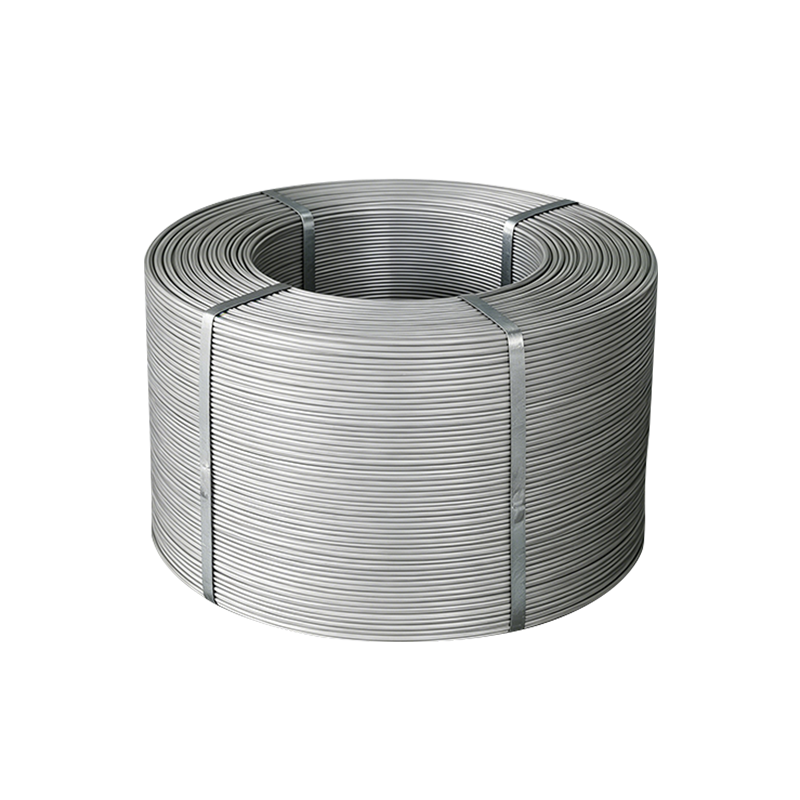
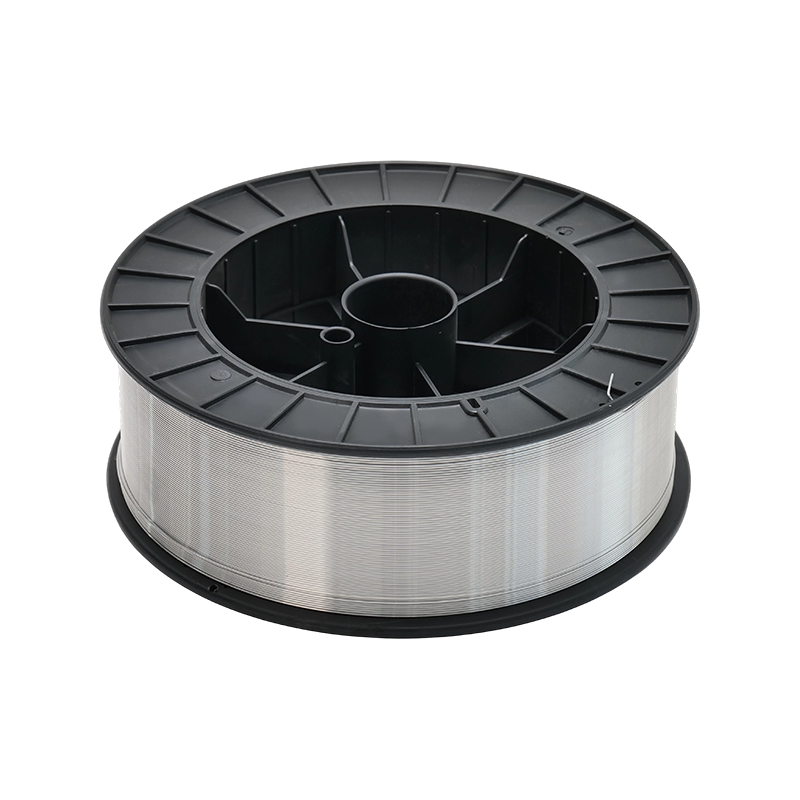
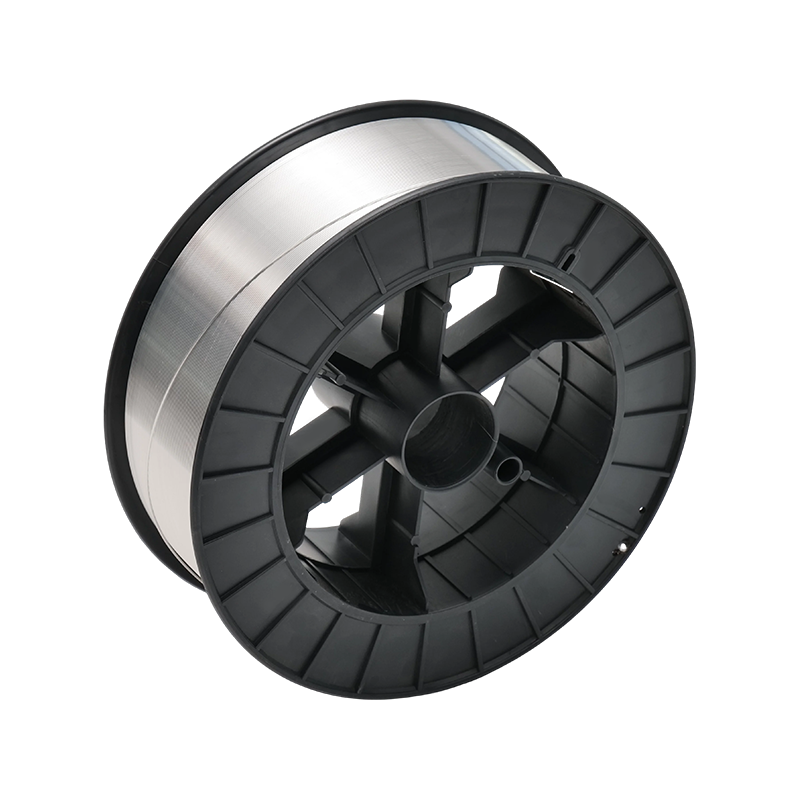
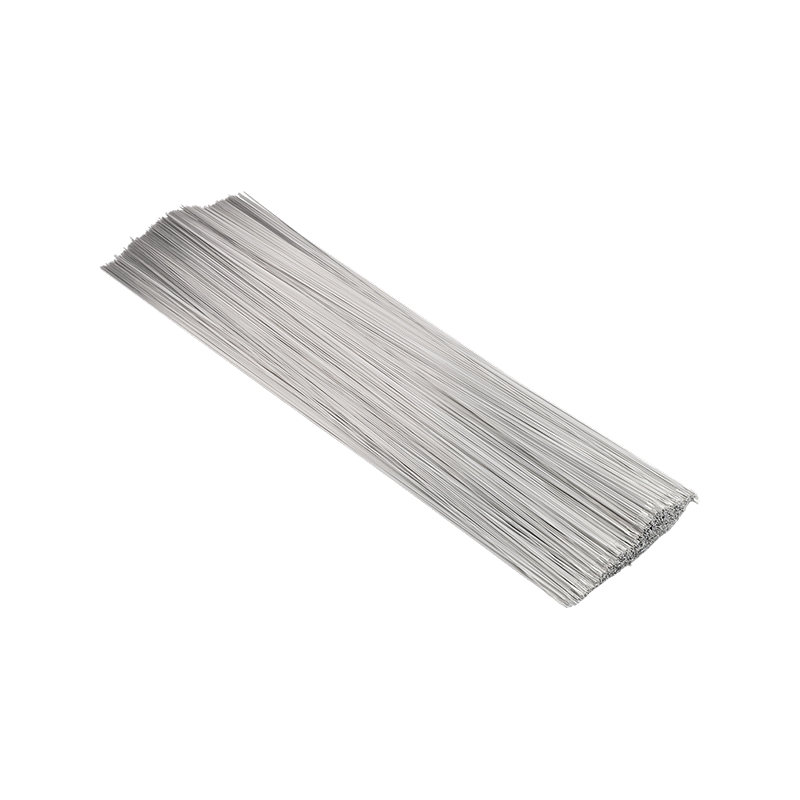
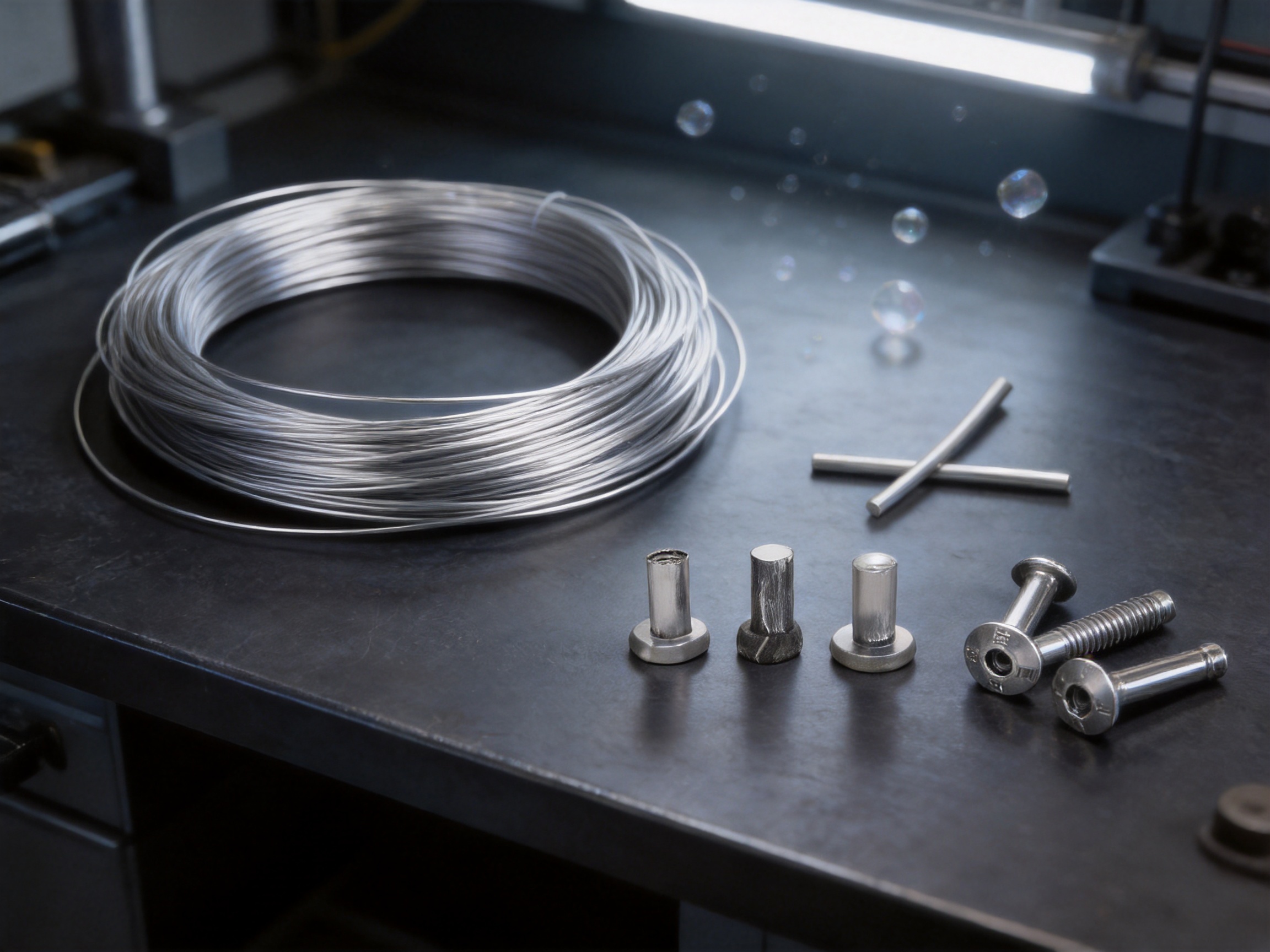
High-strength aluminum alloy wire for rivets is a specialized material designed for fastening systems where low weight, reliable shear resistance, oxidation resistance, and stable forming performance are essential. In aviation, aerospace, defense, transportation, precision equipment, and advanced industrial structures, rivets are not merely small fastening components; they are load-bearing elements that help determine the durability and safety of an entire assembly. The wire used to manufacture these rivets must therefore deliver a balanced combination of strength, ductility, dimensional consistency, surface integrity, and metallurgical reliability.
This article focuses on high-strength aluminum alloy wire for rivets, especially material strengthened by the CuAl2 phase and characterized by a copper content range of approximately 3.9% to 4.5%. This alloy design supports strong mechanical performance while maintaining processability for rivet production. Compared with ordinary aluminum wire or lower-strength fastening materials, this type of aluminum alloy wire offers superior shear resistance, better performance in weight-sensitive structures, and dependable behavior in demanding service environments.
Jiangsu Hetuo Aluminum Wire Co., Ltd. manufactures high-purity aluminum wire, high-strength aluminum alloy wire, and aluminum and aluminum alloy welding materials. Established in 2019 and located in the Economic Development Zone of Guannan County, Lianyungang City, Jiangsu Province, China, the company has built an intelligent manufacturing system supported by advanced equipment, strict quality inspection, ISO 9001 certification, and IATF 16949 quality management certification. Its production capabilities and technical orientation make it well positioned to supply aluminum rivet wire for high-end customers seeking consistent quality and customized solutions.
Content
- 1 Understanding Aluminum Alloy Wire for Rivets
- 2 Material Design and CuAl2 Phase Strengthening
- 3 Key Product Advantages
- 4 Technical Overview
- 5 Why This Wire Performs Better Than Ordinary Alternatives
- 6 Advanced Manufacturing Processes
- 7 Company Strengths Supporting Product Quality
- 8 Applications in Aviation
- 9 Applications in Aerospace
- 10 Applications in Military and Defense Equipment
- 11 Importance of Chemical Composition Control
- 12 Dimensional Accuracy and Its Role in Rivet Production
- 13 Surface Integrity and Defect Prevention
- 14 Comparison with Competing Materials
- 15 Customization and Customer-Oriented Supply
- 16 Sustainability and Lightweight Engineering
- 17 Quality Management as a Competitive Advantage
- 18 How to Evaluate Aluminum Rivet Wire Suppliers
- 19 Practical Benefits for Rivet Manufacturers
- 20 Practical Benefits for End Users
- 21 Q&A Section
- 21.1 What is high-strength aluminum alloy wire for rivets?
- 21.2 What makes this rivet wire different from ordinary aluminum wire?
- 21.3 Where is this product mainly used?
- 21.4 Why is shear resistance important for rivets?
- 21.5 Why is oxidation resistance valuable?
- 21.6 What role does CuAl2 phase strengthening play?
- 21.7 Can the wire be customized?
- 21.8 Why choose a certified manufacturer?
- 21.9 How does this product support lightweight design?
- 21.10 What customer problems can high-quality rivet wire reduce?
- 22 Conclusion
- 23 References
- 24 Product: For Rivets
Understanding Aluminum Alloy Wire for Rivets
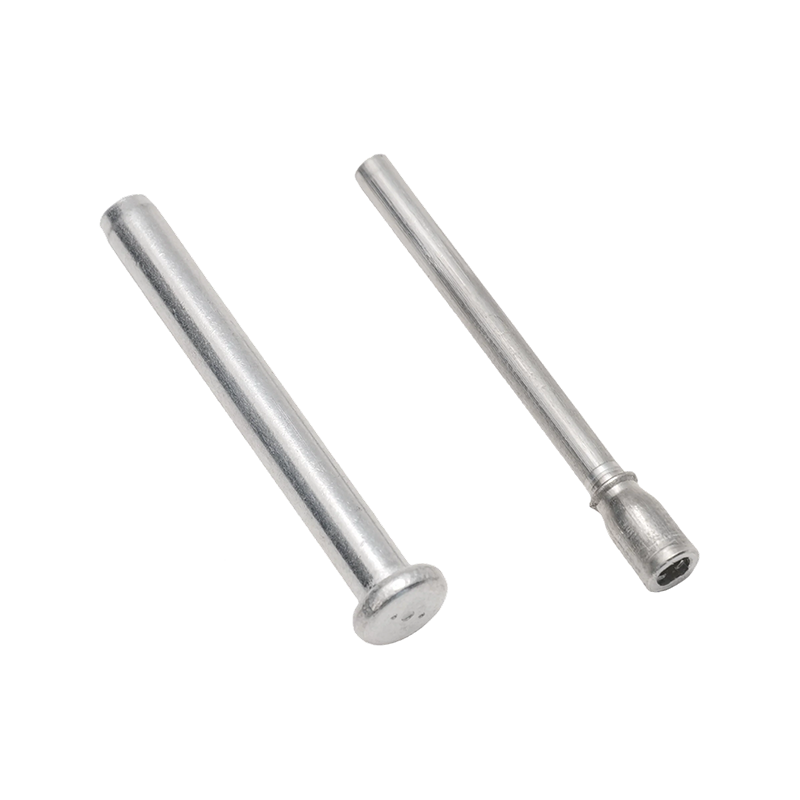
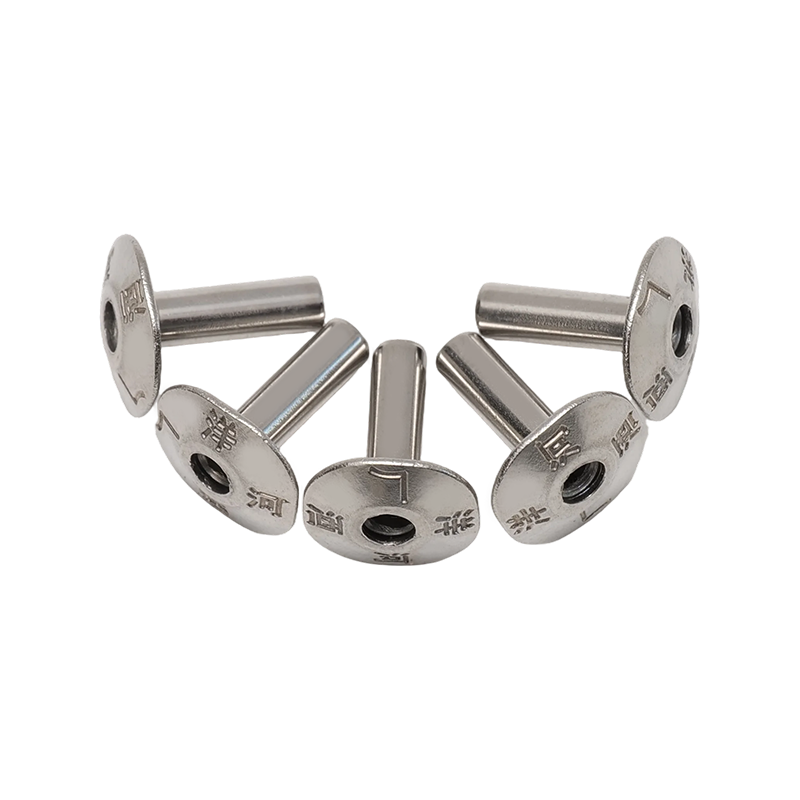
Rivets are permanent mechanical fasteners. Once installed, they create a firm connection between two or more components. Unlike bolts, rivets do not rely on threaded engagement. Instead, they are plastically deformed during installation, forming a head on one side while the original head remains on the other. Because of this deformation process, the material used for rivets must be strong enough to bear load yet formable enough to be shaped without cracking. Aluminum alloy wire for rivets is manufactured with these dual requirements in mind.
The wire is generally drawn to precise diameters and then processed into rivet blanks or fasteners. During manufacturing, the material must maintain a clean surface, controlled chemistry, uniform microstructure, and reliable mechanical properties. If the wire is too soft, the final rivet may not provide adequate shear strength. If it is too brittle, it may crack during heading or installation. The ideal rivet wire therefore occupies a carefully engineered middle ground between formability and strength.
High-strength aluminum alloy wire for rivets is particularly valuable in structures where weight reduction is important. Aluminum has a low density compared with steel, which enables lighter assemblies and improved efficiency. In aircraft, even small weight savings can contribute to fuel economy, payload optimization, and long-term operational savings. In aerospace equipment, where launch mass is critical, material selection becomes even more demanding. In military systems, the combination of strength and low weight can improve mobility, durability, and field performance.
The product described here is mainly used in aviation, aerospace, and military fields. These industries require fastening materials that can tolerate vibration, stress cycling, environmental exposure, and strict quality requirements. A rivet wire intended for such applications must be more than a commodity metal product. It must be produced through a controlled process that ensures traceability, repeatability, and compliance with technical specifications.
Material Design and CuAl2 Phase Strengthening
The defining feature of this high-strength aluminum alloy rivet wire is its strengthening mechanism. The material uses CuAl2 phase strengthening, with copper present in the approximate range of 3.9% to 4.5%. In aluminum-copper alloys, copper contributes to precipitation strengthening. Through appropriate thermal and mechanical processing, strengthening phases can form within the aluminum matrix, restricting dislocation movement and improving mechanical strength.
CuAl2, also known in many metallurgical discussions as the theta phase, is associated with the strengthening behavior of aluminum-copper systems. When properly controlled, the precipitation of copper-rich phases increases hardness and strength without completely sacrificing workable ductility. This is why aluminum-copper alloys have long been used in aircraft structures and other high-performance applications. The challenge lies in managing composition, processing temperature, cooling behavior, drawing reduction, and subsequent heat treatment so that the material achieves consistent performance.
For rivet applications, the strengthening strategy must also consider installation behavior. Rivets are subjected to deformation when installed, and they experience shear and tensile stresses during service. The wire must support heading and forming before installation, and the finished rivet must retain enough strength after forming to meet structural demands. A poorly balanced alloy may show high laboratory strength but fail in practical rivet manufacturing or field installation. A well-engineered CuAl2-strengthened wire, by contrast, offers a more practical combination of performance characteristics.
The copper range of 3.9% to 4.5% is significant because it is high enough to enable meaningful strengthening while remaining within a controlled alloy system suitable for processing. Excessive compositional variation could cause uneven properties, sensitivity to cracking, or inconsistent response during downstream production. Therefore, chemical composition control is one of the most important elements of quality assurance for rivet wire.
Key Product Advantages
High Shear Resistance
One of the most important performance advantages of aluminum alloy wire for rivets is shear resistance. Riveted joints often carry shear loads because the connected sheets or components tend to slide relative to one another under force. If the rivet material has inadequate shear strength, the joint may deform, loosen, or fail. High-strength aluminum alloy wire provides a stronger basis for rivets used in demanding assemblies.
Compared with ordinary pure aluminum wire, copper-strengthened aluminum alloy wire offers significantly better resistance to deformation under load. Pure aluminum is highly workable and corrosion resistant, but its strength may not be sufficient for critical riveted structures. By using an aluminum-copper alloy strengthened by CuAl2 phase formation, the rivet wire becomes suitable for more demanding mechanical environments.
Good Oxidation Resistance
Aluminum naturally forms a thin oxide film on its surface, and this oxide layer helps protect the metal from further environmental attack. In rivet applications, good oxidation resistance contributes to long-term joint reliability, especially where components are exposed to changing temperatures, humidity, or atmospheric conditions. The product is described as having good oxidation resistance, making it suitable for applications where service stability is important.
Oxidation resistance also contributes to handling and storage performance. Wire with a stable surface is less likely to experience rapid surface deterioration before it is converted into rivets. For manufacturers that depend on consistent feedstock quality, this reliability can reduce inspection burden, production interruptions, and material waste.
Weight Reduction Without Excessive Strength Loss
One of aluminum’s most valuable advantages is its low density. In comparison with many steel fastening materials, aluminum alloy rivets can reduce structural weight. However, weight reduction must not come at the expense of safety or mechanical integrity. High-strength aluminum alloy wire bridges this gap by providing improved strength compared with ordinary aluminum while maintaining the low-density advantage of aluminum-based materials.
In aviation and aerospace structures, material weight affects energy consumption, payload, maneuverability, and system efficiency. A rivet may appear small, but an aircraft or spacecraft can contain thousands or even millions of fasteners. The total weight contribution of fastening systems is therefore substantial. Using high-strength aluminum alloy rivets can provide meaningful cumulative weight savings.
Reliable Formability for Rivet Manufacturing
Rivet wire must perform well during downstream processing. It may be cut, headed, shaped, and finished before installation. If the wire contains internal defects, inconsistent hardness, or surface cracks, problems can occur during heading or deformation. High-quality aluminum alloy wire must therefore be manufactured to support stable forming behavior.
Advanced drawing and process control allow the wire to achieve a consistent diameter, controlled surface condition, and uniform mechanical behavior. These characteristics help rivet manufacturers improve productivity, reduce scrap, and maintain consistent finished fastener quality.
Suitability for Critical Industries
The product is mainly used in aviation, aerospace, and military fields. These sectors have stricter standards than many general industrial applications. Materials selected for these fields must often pass careful inspection and demonstrate repeatable quality. High-strength aluminum alloy wire for rivets is suitable for such demanding contexts because it combines metallurgical strengthening, oxidation resistance, shear performance, and controlled production.
Technical Overview
| Item | Product Information | Value for Customers |
|---|---|---|
| Product Type | High-strength aluminum alloy wire for rivets | Designed for strong, lightweight permanent fasteners |
| Main Application Fields | Aviation, aerospace, military, and advanced industrial structures | Suitable for demanding environments and critical assemblies |
| Strengthening Mechanism | CuAl2 phase strengthening | Improves shear resistance and mechanical strength |
| Copper Content | Approximately 3.9% to 4.5% | Supports stable aluminum-copper alloy strengthening |
| Key Performance Features | Good oxidation resistance and shear resistance | Helps improve long-term joint reliability |
| Manufacturing Emphasis | Controlled composition, drawing precision, surface quality, inspection | Promotes consistent rivet manufacturing performance |
| Company Capability | Advanced equipment, intelligent manufacturing, ISO 9001 and IATF 16949 systems | Supports reliable supply and quality consistency |
Why This Wire Performs Better Than Ordinary Alternatives
Many suppliers can provide aluminum wire, but not all aluminum wire is suitable for rivet production in high-demand sectors. The difference lies in chemical control, metallurgical design, processing discipline, quality inspection, and application understanding. Commodity wire may be acceptable for low-load or decorative uses, but rivet wire for aerospace-related applications must meet a higher standard.
First, the copper-controlled alloy composition gives the material a strength advantage over pure aluminum or low-strength aluminum grades. The CuAl2 strengthening mechanism is particularly important for improving resistance to mechanical stress. Rivets manufactured from such wire can better support structural loads and resist shear failure.
Second, the wire is designed with oxidation resistance in mind. Rivets are often used in assemblies that must last for years under changing environmental conditions. Surface stability and resistance to oxidation contribute to better long-term performance, especially when combined with appropriate assembly design and compatible materials.
Third, the material can offer a superior balance between formability and strength. Some materials are strong but difficult to process; others are easy to form but mechanically weak. High-strength aluminum alloy rivet wire must be engineered for both manufacturing and service. This dual-purpose performance gives it an advantage over materials that excel in only one area.
Fourth, consistency is a major differentiator. Rivet manufacturers need wire that behaves predictably from coil to coil and batch to batch. Inconsistent wire can cause tool wear, heading defects, cracks, dimensional errors, and unstable rivet performance. A supplier with strict inspection systems and advanced production control can help customers reduce these risks.
Finally, the manufacturer’s specialization matters. A company focused on aluminum alloy wire and welding materials is more likely to understand alloy behavior, wire drawing challenges, surface quality requirements, and customer-specific specifications. Jiangsu Hetuo Aluminum Wire Co., Ltd. specializes in high-grade aluminum alloy rods, welding wires, and precision profiles, giving it a broad technical foundation for producing high-quality aluminum rivet wire.
Advanced Manufacturing Processes
Raw Material Selection and Composition Control
The production of high-strength aluminum alloy wire begins with raw material control. The alloy must meet the intended chemical composition, particularly the copper content range required for CuAl2 phase strengthening. Composition control is essential because even small deviations may affect mechanical properties, workability, and final rivet performance.
Reliable raw material selection helps prevent contamination and unwanted elements that could reduce ductility or cause brittleness. In high-performance aluminum alloy wire, impurities must be monitored carefully. A clean and controlled alloy system supports stable microstructure development and improves the predictability of downstream processing.
Melting and Casting Discipline
In aluminum alloy production, melting and casting conditions influence material uniformity. Temperature control, alloying practice, degassing, filtration, and casting speed all affect the final quality of rods or billets used for wire production. Inadequate melt control can lead to inclusions, porosity, segregation, or inconsistent structure. These issues may later appear as wire defects or rivet manufacturing failures.
Advanced manufacturers use controlled melting and casting procedures to achieve a uniform alloy. Proper homogenization may also be used to reduce segregation and improve workability. For copper-containing aluminum alloys, careful thermal processing helps distribute alloying elements and prepares the material for subsequent deformation.
Rod Preparation and Mechanical Processing
Before wire drawing, the aluminum alloy is typically processed into rod form. The rod must have appropriate surface quality, internal soundness, and mechanical condition. Defects at this stage can be amplified during drawing. Therefore, rod preparation is a critical link between metallurgy and finished wire quality.
Mechanical processing must be controlled to prevent surface tearing, internal cracking, or uneven deformation. The goal is to produce feedstock that can be drawn smoothly into the required wire diameter while preserving the desired strength and ductility balance.
Precision Wire Drawing
Wire drawing is one of the most important steps in producing rivet wire. The process reduces the cross-sectional area of the material by pulling it through a series of dies. Each reduction must be controlled to avoid excessive strain, surface damage, or dimensional instability. Lubrication, die design, drawing speed, temperature, and intermediate annealing practices can all influence the final wire quality.
Precision drawing improves diameter consistency and surface smoothness. For rivet manufacturers, diameter accuracy is essential because wire is often fed into automated cutting and heading equipment. If the wire diameter varies too much, the volume of each rivet blank may vary, leading to inconsistent head formation or dimensional nonconformance.
Heat Treatment and Strength Development
Because the material relies on CuAl2 phase strengthening, thermal processing is highly important. Heat treatment can influence precipitation behavior, hardness, strength, and ductility. The goal is to develop a microstructure that supports both manufacturing formability and final rivet performance.
Improper heat treatment may produce unstable properties, over-aging, under-strengthening, or reduced ductility. A disciplined manufacturer controls heating temperature, holding time, cooling rate, and aging conditions according to the alloy design and customer requirements. This process control is one reason high-quality rivet wire can outperform ordinary aluminum wire.
Surface Quality Management
Surface quality matters greatly in rivet wire. Surface scratches, laps, oxides, cracks, or embedded particles can cause defects during heading and installation. They may also act as stress concentrators in the final rivet. Therefore, surface inspection and handling practices are essential.
Good surface management includes clean processing environments, suitable lubrication, proper die maintenance, careful coil handling, and inspection at multiple stages. A smooth and clean wire surface supports better downstream production efficiency and improves the appearance and reliability of the finished rivets.
Inspection and Quality Assurance
Jiangsu Hetuo Aluminum Wire Co., Ltd. strictly implements quality inspection throughout production. This approach is particularly important for products used in aviation, aerospace, and military fields. Quality assurance is not a final step alone; it must be integrated into the entire manufacturing process.
Inspection may include chemical composition verification, dimensional measurement, surface examination, mechanical property testing, and process documentation. For high-end customers, traceability and repeatability are often as important as individual test results. A certified quality management system helps ensure that production remains controlled and continuously improved.
The company has obtained ISO 9001 and IATF 16949 quality management system certifications. ISO 9001 demonstrates a structured quality management framework, while IATF 16949 reflects a stronger orientation toward automotive-grade process control, defect prevention, and continuous improvement. These systems support disciplined manufacturing and customer confidence.
Company Strengths Supporting Product Quality
Jiangsu Hetuo Aluminum Wire Co., Ltd. was established in 2019 and has developed as an innovative participant in China’s aluminum alloy materials industry. Its factory covers approximately 40,000 square meters and employs about 60 people, including 30 professional managers and technicians. This combination of production space, technical staff, and management structure supports specialized manufacturing rather than simple trading activity.
The company is located in the Small and Medium-sized Enterprises Park of the Economic Development Zone in Guannan County, Lianyungang City, Jiangsu Province. This location supports industrial logistics and manufacturing development. For customers seeking a stable source of aluminum wire and aluminum alloy wire, a dedicated production base is an important advantage.
The company’s product system covers high-purity aluminum wire, high-strength aluminum alloy wire, and aluminum and aluminum alloy welding materials. This broad but related portfolio gives the manufacturer practical knowledge across different aluminum processing requirements. High-purity aluminum wire emphasizes cleanliness and conductivity-related precision. High-strength aluminum alloy wire emphasizes mechanical properties and alloy control. Welding materials require surface consistency, feedability, and metallurgical compatibility. Together, these capabilities strengthen the company’s technical foundation.
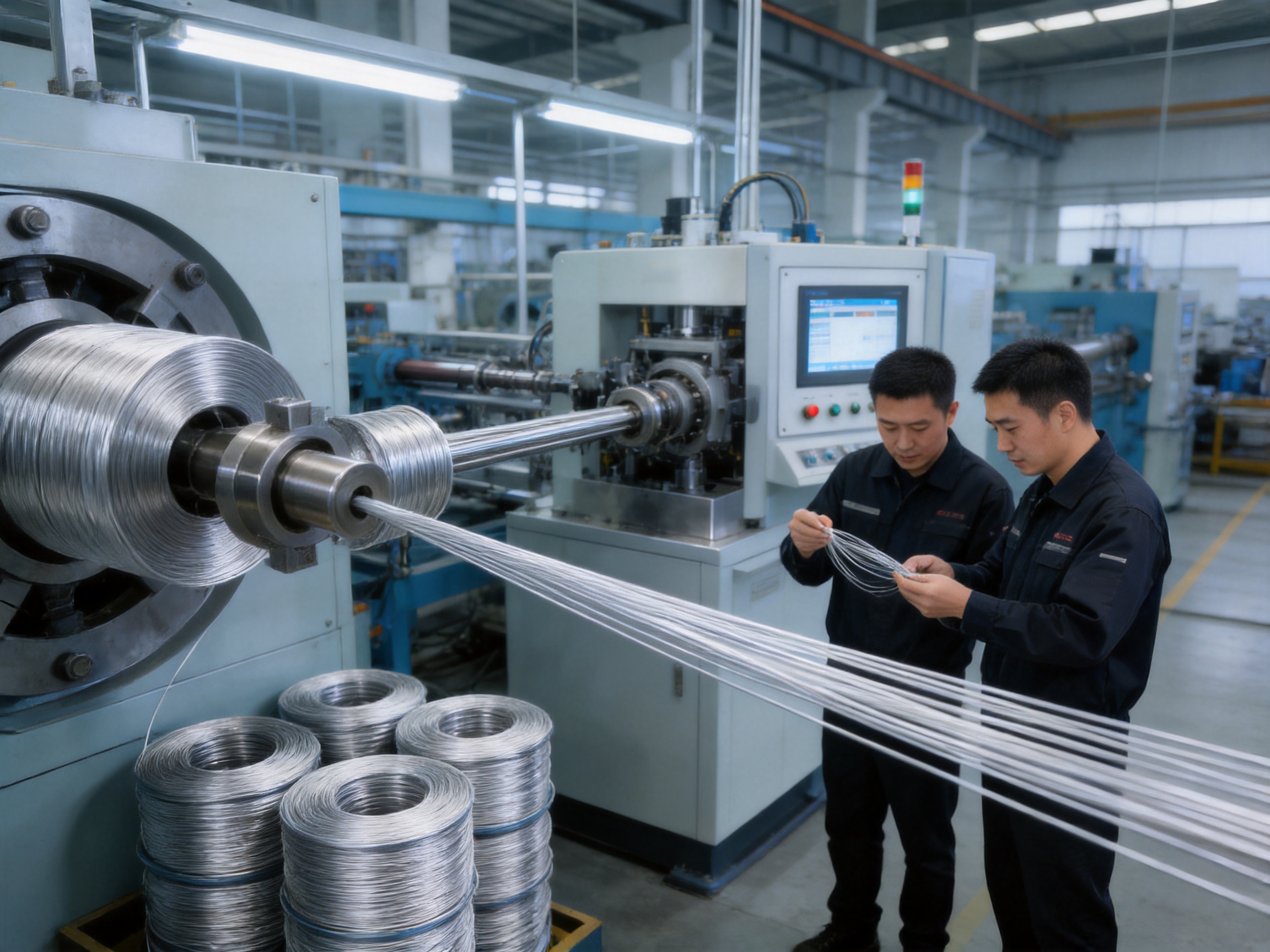
The company introduces advanced equipment and facilities and has built an intelligent manufacturing system. Intelligent manufacturing can improve process stability, reduce human error, support data collection, and enable more accurate production control. For rivet wire, where consistency and traceability are important, such manufacturing discipline provides a direct customer benefit.
The company is guided by customer needs and committed to customer satisfaction. This is particularly important for aluminum rivet wire because different customers may have different requirements for diameter, packaging, mechanical condition, coil weight, surface finish, inspection documentation, or downstream processing behavior. A supplier capable of customization can help customers achieve better production efficiency and product performance.
Its products comply with international quality standards and are exported to many high-end overseas markets. Export experience is valuable because it indicates familiarity with diverse customer requirements, documentation expectations, and quality standards. For global buyers, this can reduce communication friction and sourcing risk.
Applications in Aviation
Aviation structures rely heavily on lightweight materials. Aircraft fuselages, wings, control surfaces, internal frames, and auxiliary structures often require fasteners that provide reliable strength while minimizing weight. Aluminum alloy rivets have a long history in aircraft manufacturing because they are compatible with aluminum sheet structures and help preserve lightweight design goals.
High-strength aluminum alloy wire for rivets is especially useful where the fastener must resist shear loads and maintain joint integrity under vibration and fatigue conditions. Aircraft experience repeated loading cycles during takeoff, flight, landing, pressurization, and environmental changes. A fastening material must therefore be consistent and dependable.
Although final rivet selection depends on engineering specifications and certification requirements, the quality of the wire used to manufacture the rivet is fundamental. Wire with controlled Cu content, good surface quality, and reliable mechanical properties gives rivet producers a better foundation for supplying aviation-grade fasteners.
Applications in Aerospace
Aerospace applications place extreme demands on materials. Launch systems, satellites, spacecraft components, and supporting equipment must often operate under severe mechanical, thermal, and environmental conditions. Weight reduction is even more critical in aerospace than in general aviation because every unit of mass can influence launch cost and mission performance.
High-strength aluminum alloy rivet wire contributes to lightweight fastening solutions. Its CuAl2 strengthening mechanism supports higher mechanical capacity than ordinary aluminum, while its aluminum base keeps density low. Good oxidation resistance also supports material stability during storage, manufacturing, and service exposure.
In aerospace manufacturing, consistency and documentation are essential. Material batches must often be carefully controlled. The manufacturing strengths of Jiangsu Hetuo Aluminum Wire Co., Ltd., including quality system certifications and production inspection, support customers that require a disciplined supply chain.
Applications in Military and Defense Equipment
Military applications require materials that can withstand demanding service conditions. Equipment may be exposed to vibration, impact, temperature variation, humidity, transport stress, and field repair requirements. Fasteners used in such systems must be strong, lightweight, and reliable.
High-strength aluminum alloy rivets can be used in military aircraft, vehicles, portable equipment, structural panels, and specialized assemblies where aluminum fastening is appropriate. The combination of shear resistance and oxidation resistance makes the wire suitable for producing rivets that support durable field performance.
Defense applications also value supply reliability. A manufacturer with a dedicated facility, professional technical staff, and strict quality systems can provide more stable support than a general-purpose supplier. This is an important consideration for customers who require long-term material consistency.
Importance of Chemical Composition Control
The chemical composition of aluminum alloy wire directly affects performance. For this rivet wire, copper is listed at 3.9% to 4.5%. Maintaining this range is essential because copper participates in strengthening phase formation. Too little copper may reduce strengthening potential, while too much or poorly distributed copper may affect ductility and processing stability.
Composition control also involves monitoring other elements and impurities. Elements present outside desired limits can influence corrosion behavior, workability, precipitation, and crack sensitivity. High-quality production therefore requires accurate measurement, controlled alloying practice, and reliable batch records.
For customers, consistent chemistry means predictable downstream processing. Rivet manufacturers can adjust tooling and process parameters with confidence when the wire behaves consistently. Conversely, unstable chemistry can lead to unpredictable hardness, cracking, or forming defects.
Dimensional Accuracy and Its Role in Rivet Production
Rivet production depends on wire diameter accuracy. The wire is often cut into blanks of a specified length, and the volume of each blank determines the dimensions of the final rivet. If diameter varies, blank volume changes even when cut length remains constant. This can cause inconsistent head size, incomplete forming, excessive flash, or dimensional rejection.
Precision wire drawing helps maintain tight diameter tolerance. Advanced equipment and controlled drawing practice reduce variation and support automated production. For high-volume rivet manufacturers, stable wire dimensions can improve productivity and reduce waste.
Dimensional consistency also affects feeding performance. Wire used in automated machines must feed smoothly without jamming, slipping, or causing misalignment. A stable surface and consistent roundness help improve machine efficiency.
Surface Integrity and Defect Prevention
The surface of rivet wire is more than an appearance feature. It directly affects forming behavior and final fastener reliability. Surface defects can become crack initiation points during heading or installation. Even small scratches may deepen under deformation, leading to rejected parts or weakened rivets.
High-quality aluminum alloy wire must be protected from mechanical damage during production, winding, packaging, transport, and storage. Proper coil handling and packaging are part of the quality system. Customers benefit when wire arrives clean, orderly, and ready for production.
Surface integrity also supports oxidation resistance. A clean and stable surface allows the natural protective behavior of aluminum to function effectively. Excessive contamination or damage can interfere with performance and processing.
Comparison with Competing Materials
Compared with Pure Aluminum Wire
Pure aluminum wire offers excellent formability and corrosion resistance, but it generally lacks the strength required for demanding rivet applications. In low-load environments, pure aluminum may be acceptable. However, for aviation, aerospace, and military fields, higher shear resistance is often required. CuAl2-strengthened aluminum alloy wire provides a stronger alternative while retaining aluminum’s lightweight advantage.
Compared with General Aluminum Alloy Wire
Not all aluminum alloy wires are designed for rivet production. Some are optimized for electrical use, welding, general forming, or decorative applications. Rivet wire must combine specific alloy chemistry, mechanical behavior, surface quality, and dimensional consistency. High-strength aluminum alloy wire for rivets is more application-focused than general-purpose aluminum alloy wire.
Compared with Steel Rivet Materials
Steel rivets can provide high strength, but they are much heavier than aluminum alloy rivets. In weight-sensitive industries, this can be a serious disadvantage. Steel may also create galvanic compatibility concerns when joined with aluminum structures unless properly managed. Aluminum alloy rivets are often more compatible with aluminum assemblies and help reduce total structural weight.
Compared with Low-Cost Commodity Wire
Low-cost wire may appear attractive from a purchasing perspective, but inconsistent quality can increase total cost. Problems such as poor surface condition, unstable diameter, irregular chemistry, or inadequate mechanical properties can cause scrap, production delays, equipment wear, customer complaints, and joint failures. A high-quality rivet wire supplier provides value not only through the material itself but also through reduced manufacturing risk.
Customization and Customer-Oriented Supply
Customers often require customized aluminum rivet wire because production equipment, rivet dimensions, performance standards, and packaging needs vary. Jiangsu Hetuo Aluminum Wire Co., Ltd. specializes in custom wire for aluminum rivets, supporting customers who need tailored solutions rather than generic material.
Customization may involve diameter selection, coil size, mechanical condition, surface finish, packaging method, inspection documentation, and production scheduling. A customer-oriented supplier can work with downstream manufacturers to improve compatibility with existing equipment and product requirements.
For international buyers, communication and consistency are especially important. A supplier with export experience and quality certifications can help simplify procurement, reduce uncertainty, and support long-term cooperation.
Sustainability and Lightweight Engineering
Aluminum alloy wire for rivets contributes to sustainability in several ways. First, lightweight structures can reduce energy consumption during service. In aircraft and transport systems, lower weight can improve fuel efficiency and reduce emissions over the life of the product. Second, aluminum is recyclable, and recycling aluminum generally requires significantly less energy than producing primary aluminum from ore. Third, durable fastening materials can extend the service life of assemblies and reduce replacement frequency.
The company aims to provide lighter, stronger, and more sustainable aluminum alloy wire and welding material solutions for global industries. This direction aligns with the broader trend toward material efficiency, energy reduction, and high-performance lightweight structures.
Quality Management as a Competitive Advantage
Quality management is one of the most important advantages in the aluminum rivet wire market. Customers in demanding industries cannot rely on appearance alone. They need evidence that the supplier controls production, verifies material properties, and manages nonconformance effectively.
ISO 9001 certification indicates that the company follows a recognized quality management framework. This includes process control, documentation, customer focus, corrective action, and continuous improvement. IATF 16949 certification, widely associated with automotive industry quality standards, places strong emphasis on defect prevention, process discipline, and supply chain reliability. Even when the product is used outside automotive applications, the presence of IATF 16949 reflects a mature quality culture.
For rivet wire customers, these certifications can translate into more stable batches, clearer documentation, better traceability, and improved confidence in long-term supply. Quality management is not only a compliance matter; it is a commercial advantage that reduces risk for customers.
How to Evaluate Aluminum Rivet Wire Suppliers
When selecting a supplier for high-strength aluminum alloy wire for rivets, buyers should consider several factors. The first is alloy expertise. A supplier should understand aluminum-copper strengthening behavior and the relationship between chemistry, processing, and final performance.
The second factor is production capability. A dedicated factory with advanced equipment is better positioned to control quality than a supplier relying only on outsourced production. The third factor is quality certification and inspection discipline. Certifications such as ISO 9001 and IATF 16949 provide evidence of structured quality management.
The fourth factor is customization capability. Rivet manufacturers may need specific diameters, coil configurations, or mechanical conditions. A flexible supplier can reduce adaptation costs. The fifth factor is application experience. Materials used in aviation, aerospace, and military fields require a higher level of seriousness and technical communication.
Jiangsu Hetuo Aluminum Wire Co., Ltd. aligns with these evaluation points through its specialized product range, intelligent manufacturing system, advanced equipment, inspection commitment, and customer-oriented approach.
Practical Benefits for Rivet Manufacturers
For rivet manufacturers, the benefits of high-quality aluminum alloy wire can be seen throughout production. Stable wire diameter improves blank consistency. Clean surface quality reduces forming defects. Controlled mechanical properties support smoother heading. Reliable alloy chemistry improves final rivet performance. Good packaging reduces handling damage. Consistent supply helps production planning.
These benefits can reduce scrap rates, improve machine uptime, and support customer satisfaction. Although premium wire may cost more than commodity material, the total production value can be higher because fewer defects and more stable processing reduce hidden costs.
For manufacturers serving aviation, aerospace, military, or other high-end markets, the quality of the input wire affects reputation. A reliable wire supplier becomes part of the manufacturer’s own quality promise.
Practical Benefits for End Users
End users benefit from high-strength aluminum alloy rivets through stronger and lighter assemblies. In aircraft or aerospace systems, reduced weight can contribute to efficiency. In military equipment, lightweight fastening can support mobility and durability. In advanced industrial structures, reliable rivets can reduce maintenance requirements and improve service life.
End users may not always see the wire itself, but the wire determines the quality of the rivet. A high-quality rivet begins with high-quality wire. Therefore, material selection at the wire stage has consequences throughout the value chain.
Q&A Section
What is high-strength aluminum alloy wire for rivets?
It is a specialized aluminum alloy wire used to manufacture rivets for structural fastening. It is designed to provide a balance of strength, formability, oxidation resistance, and dimensional consistency.
What makes this rivet wire different from ordinary aluminum wire?
This product uses an aluminum-copper alloy design with CuAl2 phase strengthening. With copper content of approximately 3.9% to 4.5%, it offers better shear resistance and mechanical strength than ordinary pure aluminum wire.
Where is this product mainly used?
It is mainly used in aviation, aerospace, and military fields, as well as other advanced structures requiring lightweight and reliable fastening materials.
Why is shear resistance important for rivets?
Rivets often carry loads that try to slide connected parts against each other. High shear resistance helps the rivet maintain joint integrity and reduces the risk of structural failure.
Why is oxidation resistance valuable?
Good oxidation resistance supports surface stability, storage reliability, and long-term performance in environments where the material may be exposed to air, humidity, or temperature changes.
What role does CuAl2 phase strengthening play?
CuAl2 phase strengthening improves mechanical strength by forming copper-rich strengthening phases within the aluminum matrix. These phases help resist deformation and improve load-bearing capability.
Can the wire be customized?
Yes. The company specializes in custom wire for aluminum rivets and can support customer requirements related to product specifications, packaging, and performance expectations.
Why choose a certified manufacturer?
A certified manufacturer with ISO 9001 and IATF 16949 systems is more likely to maintain consistent production, documentation, traceability, inspection discipline, and continuous improvement.
How does this product support lightweight design?
Because it is aluminum-based, the wire helps produce rivets that are lighter than many steel fastening alternatives while still offering improved strength through alloy strengthening.
What customer problems can high-quality rivet wire reduce?
It can reduce forming defects, dimensional inconsistency, surface-related failures, scrap rates, machine downtime, and uncertainty in final rivet performance.
Conclusion
High-strength aluminum alloy wire for rivets is a critical material for industries that require lightweight, strong, and reliable fastening solutions. With CuAl2 phase strengthening and a controlled copper content of approximately 3.9% to 4.5%, this product offers advantages in shear resistance, oxidation resistance, and structural performance. It is especially suitable for aviation, aerospace, military, and other demanding applications where fastener quality directly affects safety and durability.
Compared with pure aluminum wire, general aluminum alloy wire, steel rivet materials, and low-cost commodity wire, this specialized rivet wire provides a stronger balance of weight reduction, mechanical strength, formability, and consistency. Its value is not limited to chemical composition alone; it also depends on advanced manufacturing, precision drawing, surface quality management, heat treatment control, inspection, and quality management systems.
Jiangsu Hetuo Aluminum Wire Co., Ltd. supports this product with a dedicated manufacturing base, advanced equipment, intelligent production systems, professional technical personnel, and internationally recognized quality certifications. The company’s focus on high-purity aluminum wire, high-strength aluminum alloy wire, and aluminum alloy welding materials gives it a strong technical foundation for serving high-end customers.
For rivet manufacturers and end users seeking dependable aluminum rivet wire, the right supplier can improve production efficiency, reduce risk, and enhance final product reliability. High-strength aluminum alloy wire for rivets represents a practical combination of metallurgical engineering and manufacturing discipline, helping global industries build lighter, stronger, and more sustainable structures.
References
1. Davis, J. R. Aluminum and Aluminum Alloys. ASM International.
2. Hatch, J. E. Aluminum: Properties and Physical Metallurgy. American Society for Metals.
3. Polmear, I. J. Light Alloys: Metallurgy of the Light Metals. Butterworth-Heinemann.
4. Kaufman, J. G. Introduction to Aluminum Alloys and Tempers. ASM International.
5. International Organization for Standardization. ISO 9001 Quality Management Systems Requirements.
6. International Automotive Task Force. IATF 16949 Quality Management System Standard.