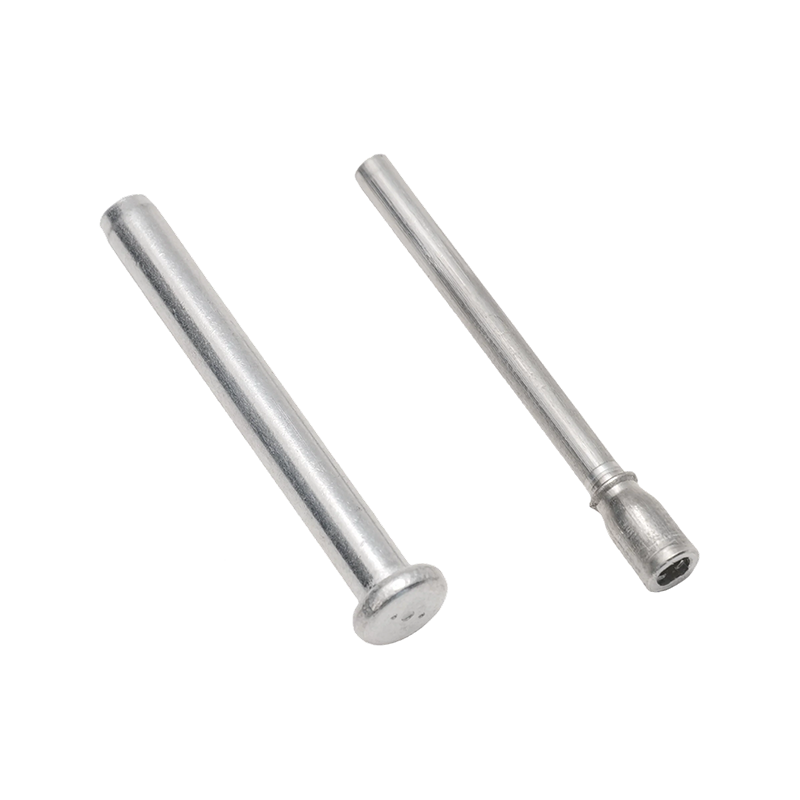


 English
 中文简体
中文简体 русский
 Deutsch
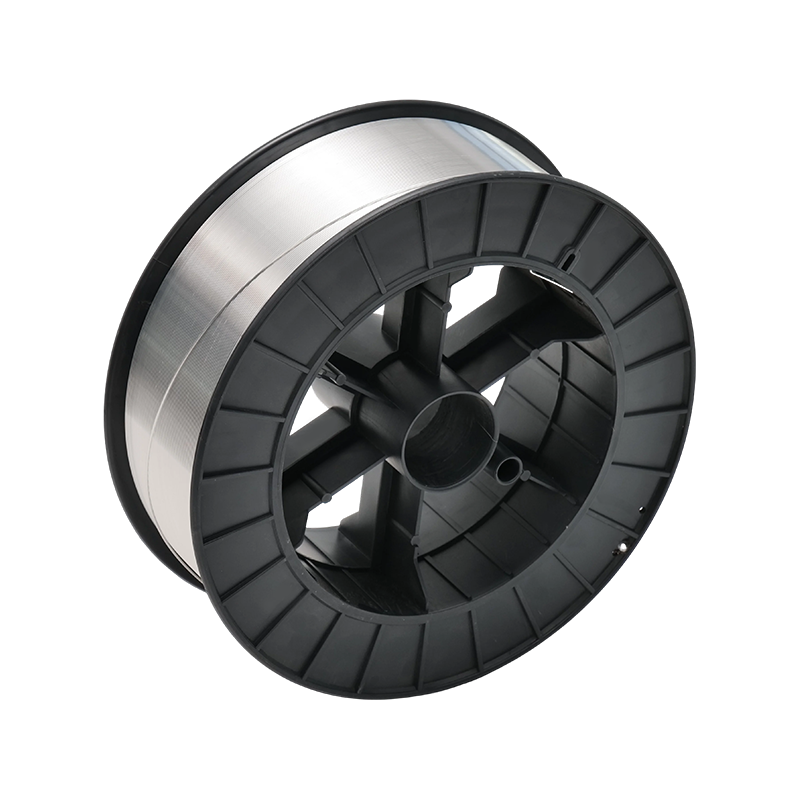
Aluminum MIG wire is an essential welding material for manufacturers that require clean weld appearance, stable arc performance, high deposition efficiency, and dependable joint quality. In modern industrial fabrication, aluminum and aluminum alloy welding materials must do more than simply melt and fill a joint. They must support repeatable production, reduce spatter, minimize downtime, protect mechanical properties, and deliver a consistent weld bead under demanding operating conditions. MIG Wire, used mainly for melting electrode argon arc welding, is designed to meet these needs by combining material purity, controlled alloy composition, excellent wire surface quality, and reliable feeding performance.
As aluminum continues to replace heavier metals in transportation, machinery, electrical equipment, marine structures, consumer products, and energy-related applications, the quality of aluminum welding wire becomes increasingly important. A strong base material can still fail if the filler wire is inconsistent, contaminated, poorly wound, or unable to feed smoothly through automatic or semi-automatic welding systems. For this reason, professional aluminum MIG wire production requires advanced drawing technology, strict surface treatment, accurate dimensional control, and a quality management system that verifies every critical parameter from raw material to finished spool.
Jiangsu Hetuo Aluminum Wire Co., Ltd. focuses on high-purity aluminum wire, high-strength aluminum alloy wire, and aluminum/aluminum alloy welding materials. Established in 2019 and located in Guannan Economic Development Zone, Lianyungang, Jiangsu Province, China, the company has developed an intelligent manufacturing system for aluminum alloy wire and welding material solutions. With a factory area of 40,000 square meters, experienced technical personnel, advanced equipment, and ISO 9001 and IATF 16949 quality management system certifications, the company is positioned to serve customers seeking stable, professional, and scalable aluminum MIG wire supply.
Content
- 1 Understanding Aluminum MIG Wire
- 2 Why Aluminum MIG Wire Quality Matters
- 3 Competitive Advantages of High-Quality Aluminum MIG Wire
- 4 Product Applications Across Industries
- 5 Advanced Manufacturing Processes Behind Reliable MIG Wire
- 6 Quality Management and Certification Strengths
- 7 Comparison of Key Performance Factors
- 8 Advantages in Automated and Robotic Welding
- 9 Weld Appearance and Post-Weld Efficiency
- 10 Material Purity and Its Role in Welding Reliability
- 11 High-Strength Aluminum Alloy Wire Expertise
- 12 Factory Scale and Supply Reliability
- 13 Packaging, Storage, and Handling Considerations
- 14 Selection Considerations for Aluminum MIG Wire
- 15 How MIG Wire Improves Total Welding Economics
- 16 Company Strengths Supporting Customer Confidence
- 17 Practical Welding Tips for Using Aluminum MIG Wire
- 18 Common Defects and How Quality Wire Helps Reduce Them
- 19 Sustainability and Aluminum Welding
- 20 Frequently Asked Questions
- 20.1 What is aluminum MIG wire used for?
- 20.2 Why is wire feeding performance so important for aluminum MIG welding?
- 20.3 How does surface cleanliness affect weld quality?
- 20.4 What makes high-quality MIG wire different from ordinary wire?
- 20.5 Can the same aluminum MIG wire be used for all aluminum alloys?
- 20.6 Why are ISO 9001 and IATF 16949 certifications valuable for welding wire customers?
- 20.7 How should aluminum MIG wire be stored?
- 20.8 Is premium aluminum MIG wire worth the cost?
- 21 Conclusion
- 22 References
- 23 Product: MIG Wire
Understanding Aluminum MIG Wire
MIG welding, commonly associated with gas metal arc welding, uses a continuously fed wire electrode that melts to form the weld metal. For aluminum welding, inert shielding gases such as argon are widely used because aluminum reacts readily with oxygen and moisture at high temperatures. The wire must therefore perform as both electrode and filler material, while the shielding gas protects the molten pool from atmospheric contamination. A well-manufactured aluminum MIG wire contributes directly to arc stability, bead shape, weld strength, porosity control, and production efficiency.
Unlike some welding consumables that are more forgiving of surface irregularities, aluminum MIG wire requires exceptional attention to surface condition. Aluminum is soft compared with steel, and any burr, oxide accumulation, excessive roughness, dimensional deviation, or poor spool winding can cause feeding problems. Feed instability may lead to burnback, bird-nesting, inconsistent arc length, weld defects, or operator downtime. A premium wire must therefore balance clean metallurgy with excellent physical handling properties.
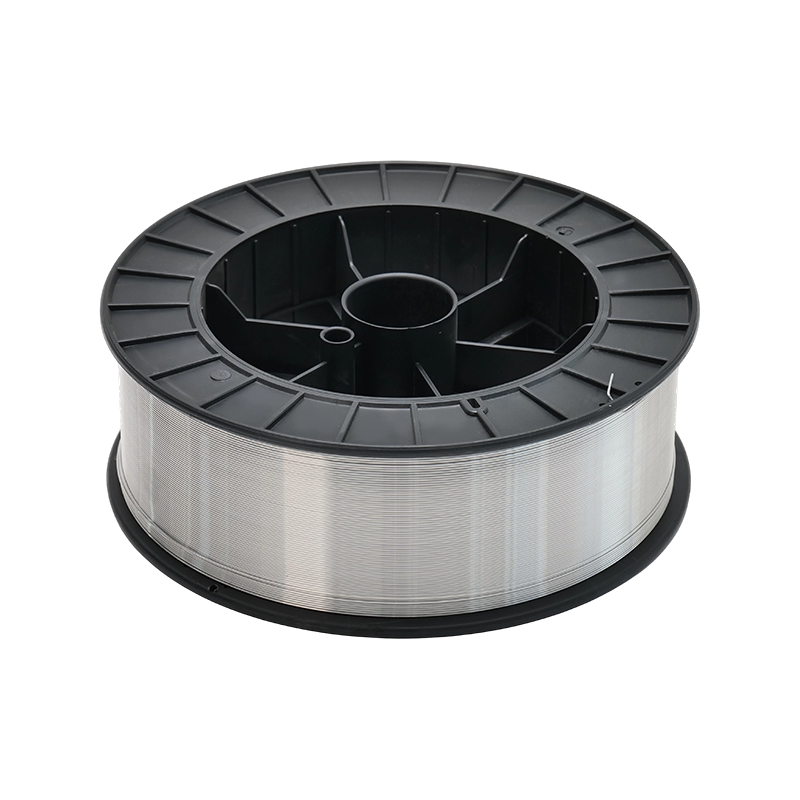
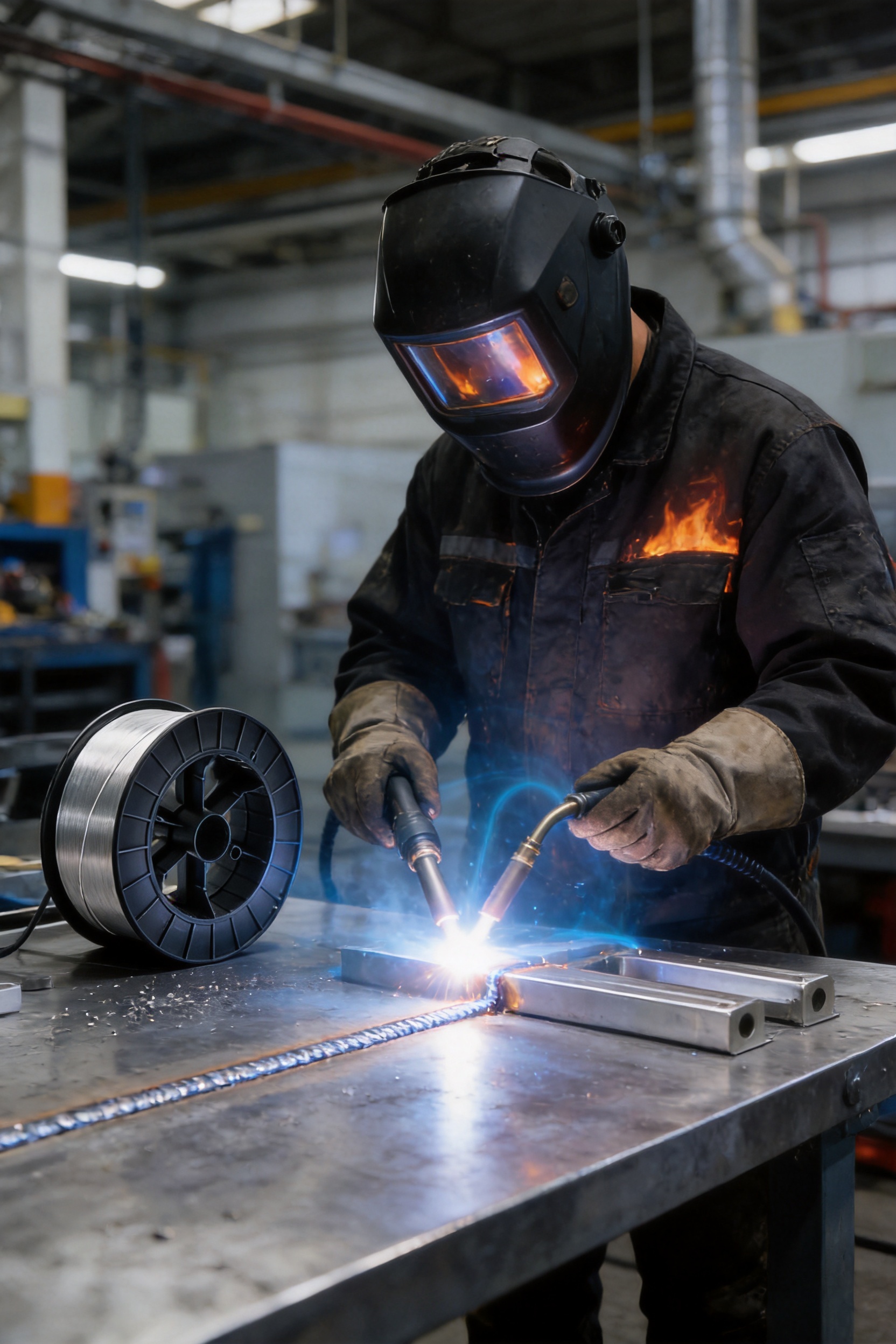
The product described here, MIG Wire in the aluminum and aluminum alloy welding materials category, is mainly used for melting electrode argon arc welding. This description reflects its role in producing welded aluminum structures through a process where the wire is continuously consumed. In production environments, it can be applied to manual MIG welding, mechanized welding, robotic welding, and automated production lines, depending on the customer’s welding equipment and application requirements.
Why Aluminum MIG Wire Quality Matters
Aluminum alloys are widely valued for low density, corrosion resistance, thermal conductivity, electrical conductivity, recyclability, and design flexibility. However, these advantages come with welding challenges. Aluminum forms a strong oxide layer, conducts heat rapidly, and has different thermal expansion behavior than steel. It also requires careful parameter control to avoid defects such as porosity, lack of fusion, cracking, excessive penetration, incomplete bead formation, or inconsistent mechanical performance.
The filler wire is one of the most important variables in controlling these challenges. A reliable aluminum MIG wire should provide consistent chemistry, a clean surface, uniform diameter, accurate cast and helix, smooth feeding, and stable arc behavior. If the wire quality changes from spool to spool, the welding team may need to repeatedly adjust current, voltage, travel speed, contact tip condition, gas flow, and torch angle. This increases labor cost and reduces production confidence.
Superior aluminum MIG wire supports stable process windows. When the wire feeds smoothly and melts predictably, operators and welding engineers can optimize parameters more efficiently. This improves bead uniformity, reduces rework, saves shielding gas, extends consumable life, and helps maintain predictable mechanical properties. For manufacturers operating in competitive industries, these advantages translate into lower total welding cost, even if the purchase price of the wire is not the lowest on the market.
Competitive Advantages of High-Quality Aluminum MIG Wire
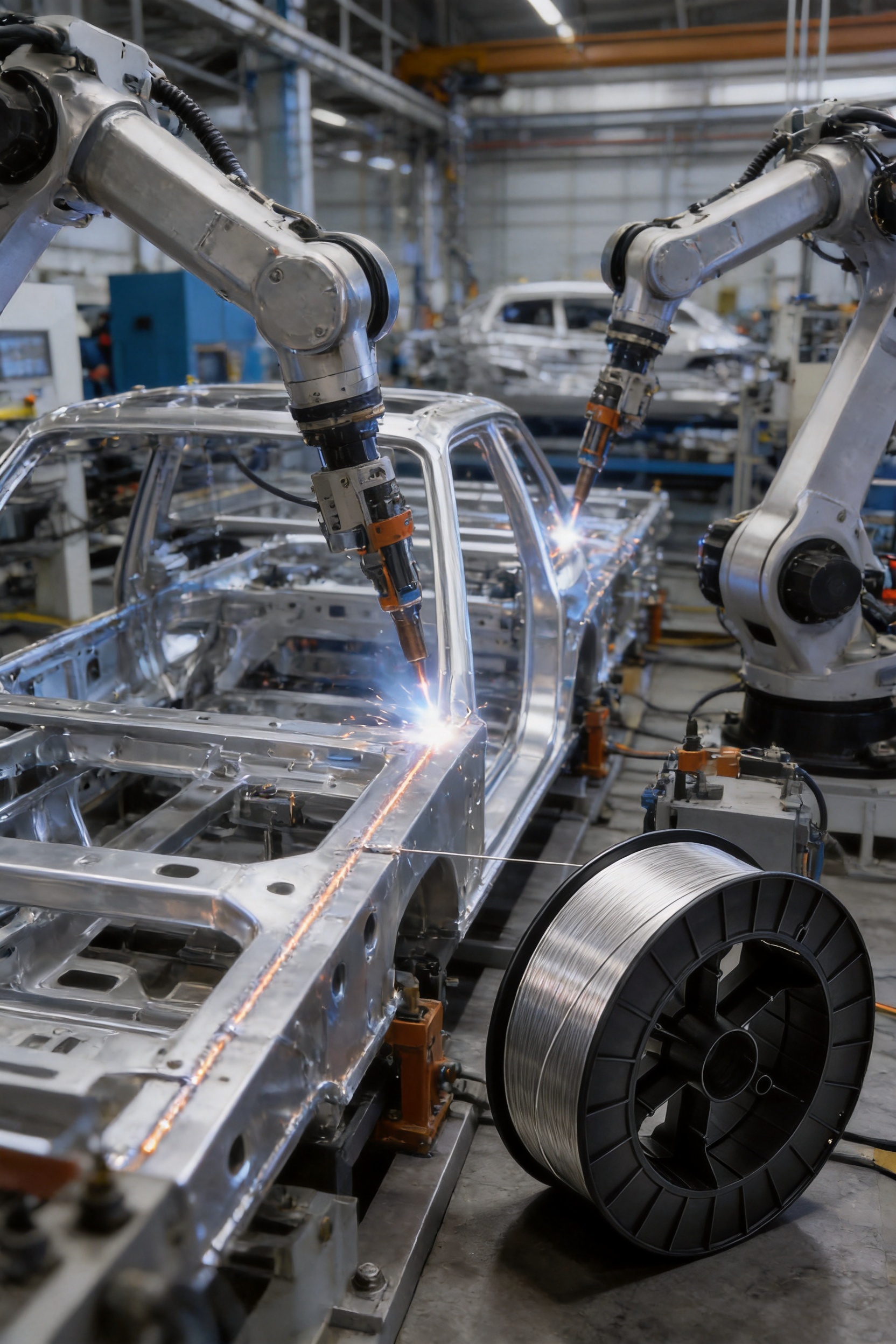
A key advantage of professionally produced aluminum MIG wire is stable feeding. Because aluminum wire is relatively soft, poor surface finish or uneven winding can cause the wire to shave, buckle, or jam in the liner. High-quality wire reduces friction and improves feeding consistency through careful drawing, cleaning, surface control, and spool packaging. This is especially important for long cable assemblies, push-pull torches, robotic cells, and automated welding equipment.
Another advantage is arc stability. Consistent wire diameter and alloy chemistry help maintain a predictable electrical resistance and melting rate. A stable arc reduces spatter and improves weld bead appearance. In aluminum welding, where appearance often matters for visible structures, enclosures, transportation parts, and consumer products, a clean bead can reduce post-weld finishing work.
Porosity control is also critical. Aluminum readily absorbs hydrogen in the molten state, and hydrogen can form pores as the weld metal solidifies. While shielding gas condition, base metal cleaning, and welding parameters are important, filler wire cleanliness is also a major factor. A properly manufactured wire with controlled surface contamination helps reduce the risk of gas-related defects. This improves weld acceptance rates in quality-sensitive production.
Premium MIG wire can also support higher productivity. Stable wire feeding allows higher travel speeds and fewer interruptions. Consistent spooling helps prevent downtime in continuous production. When welding operators trust the consumable, they can focus on joint preparation, parameter management, and production flow rather than troubleshooting wire-related problems. Over time, this reliability becomes a competitive advantage for both the wire supplier and the fabricator.
Product Applications Across Industries
Aluminum MIG wire is used in a broad range of industries because aluminum structures are found in many products that require a balance of strength, weight reduction, corrosion resistance, and appearance. In transportation manufacturing, aluminum welding wire may be used for vehicle parts, trailer bodies, railway components, frames, panels, and structural assemblies. Reducing weight can improve fuel efficiency or increase payload capacity, making aluminum welding a strategic manufacturing technology.
In marine and offshore-related applications, aluminum alloys are valued for corrosion resistance and low weight. Welding materials must contribute to joints that perform reliably in humid, salt-rich, and mechanically demanding environments. Although alloy selection must match the base material and service requirements, clean and stable MIG wire is essential for achieving consistent welds.
In machinery and equipment manufacturing, aluminum MIG wire can be used to fabricate housings, frames, brackets, platforms, support structures, and precision components. Manufacturers often require efficient welding processes that produce strong joints while minimizing distortion. Because aluminum conducts heat quickly, stable arc control and wire quality are important for managing heat input.
In electrical, energy, and electronic equipment fields, aluminum is selected for conductivity, weight savings, and corrosion resistance. Welding consumables used in these areas must be consistent and clean, especially where weld quality affects long-term product reliability. Precision and repeatability are particularly valuable when welding thin sections or components that must meet visual and dimensional requirements.
Advanced Manufacturing Processes Behind Reliable MIG Wire
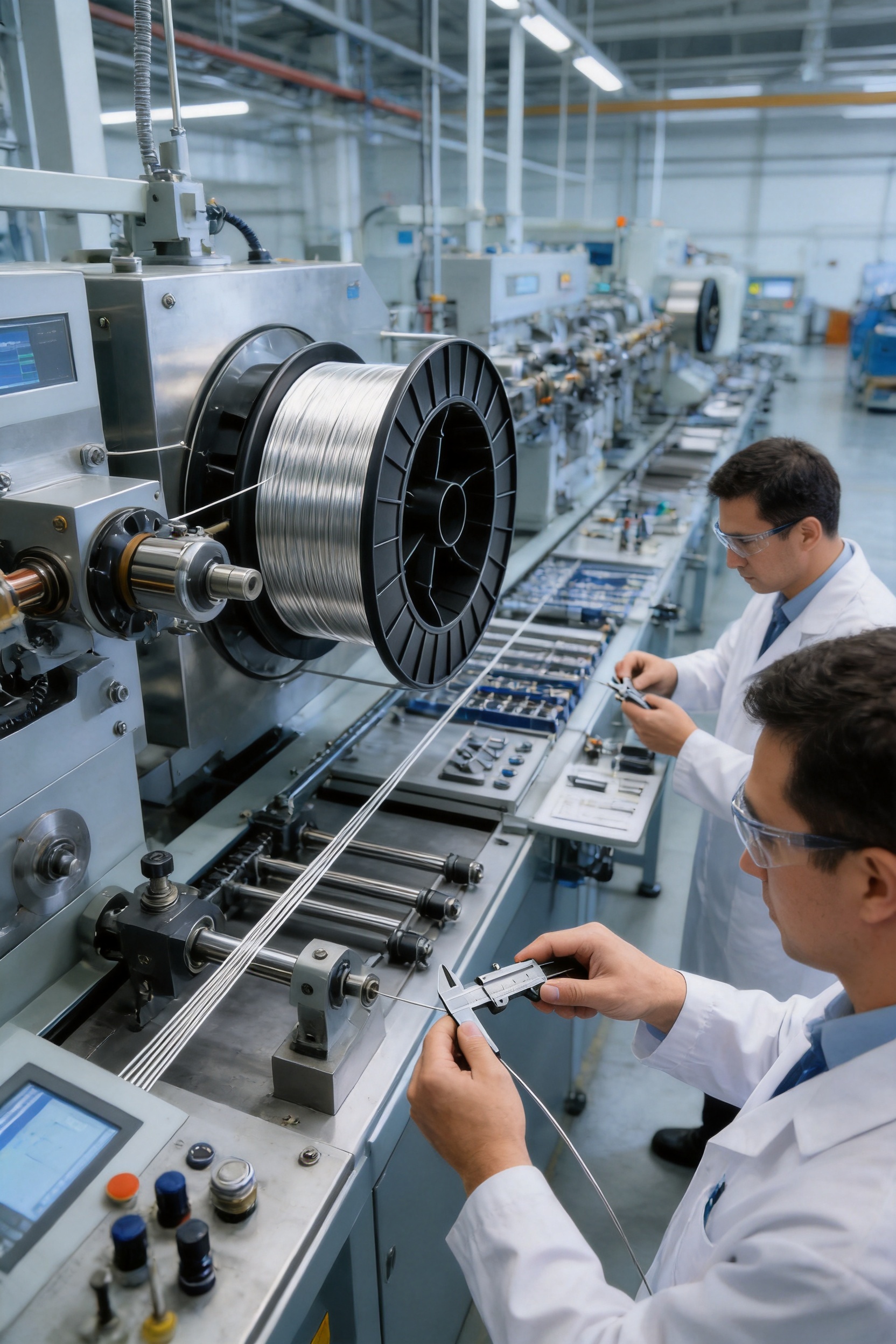
Producing high-quality aluminum MIG wire requires more than drawing metal into a smaller diameter. It is a controlled manufacturing sequence that begins with raw material selection and continues through melting or rod preparation, alloy control, wire drawing, intermediate treatment, surface cleaning, diameter inspection, winding, packaging, and final quality verification. Each step influences the final welding performance.
Jiangsu Hetuo Aluminum Wire Co., Ltd. has built an intelligent manufacturing system covering high-purity aluminum wire, high-strength aluminum alloy wire, and aluminum/aluminum alloy welding materials. This integrated capability allows the company to control key production factors and respond to various customer needs. The company introduces advanced equipment and facilities and applies quality inspection throughout the production process, supporting stable supply for customers that require dependable wire performance.
Raw material quality is the foundation. Aluminum and alloying elements must meet strict purity and composition requirements. Impurities can affect corrosion resistance, crack sensitivity, electrical behavior, and weld metal characteristics. By controlling incoming material inspection and chemical analysis, the manufacturer reduces the risk of inconsistency in the final wire.
Alloy composition control is equally important. Aluminum welding wire must be selected according to the base metal and service conditions. Variations in magnesium, silicon, manganese, or other alloying elements can change weld strength, ductility, crack resistance, and surface appearance. A professional manufacturer uses controlled processes and inspection systems to keep composition within specified limits.
Wire drawing is a critical stage. The wire must be reduced gradually to the required diameter while maintaining surface integrity and internal consistency. Drawing parameters, die quality, lubrication, cleaning, and tension control all affect the final wire. Poor drawing can create surface scratches, embedded contaminants, inconsistent diameter, or residual stress problems. Advanced drawing equipment helps maintain precision and repeatability.
Surface treatment is especially significant for aluminum MIG wire. The surface must be clean enough to reduce contamination and smooth enough to feed reliably. Excessive oxide, oil, moisture, dust, or drawing residue may contribute to welding defects. At the same time, the wire cannot be so rough that it wears liners and contact tips or causes feeding drag. The best production processes create a controlled surface condition suitable for industrial welding.
Spooling and winding are often underestimated, but they directly affect welding performance. Even a wire with excellent chemistry and diameter can fail in use if it is wound improperly. Crossed layers, excessive tension, inconsistent spool geometry, loose winding, or poor packaging can cause wire tangles and feeding interruption. High-quality winding ensures smooth payoff from the spool or drum and supports continuous welding operations.
Quality Management and Certification Strengths
Reliable MIG wire manufacturing depends on a quality culture supported by documented systems. Jiangsu Hetuo Aluminum Wire Co., Ltd. has obtained ISO 9001 and IATF 16949 quality management system certifications. ISO 9001 supports structured quality control, process documentation, corrective action, and customer-focused improvement. IATF 16949 is especially relevant to automotive supply chains and reflects a higher level of process discipline, risk management, traceability, and defect prevention.
For customers, these certifications provide confidence that quality is not based only on final inspection. Instead, quality is built into production through process planning, operator training, equipment management, inspection standards, material traceability, and continuous improvement. This is important for welding consumables because many defects may appear only during welding or after destructive and non-destructive testing. Preventing inconsistency before shipment is more valuable than detecting problems after the product reaches the customer.
Quality inspection throughout production can include chemical composition testing, diameter measurement, tensile evaluation, surface observation, winding inspection, packaging verification, and welding performance checks. The exact test program may vary depending on product specification and customer requirements, but the core principle is consistent: every critical factor that affects welding performance must be controlled.
The company’s team includes professional managers and technicians, which supports technical communication with customers. In welding material supply, this capability matters because customers often need assistance with product selection, packaging requirements, process matching, and quality documentation. A supplier with technical depth can better understand end-use requirements and help customers reduce welding risks.
Comparison of Key Performance Factors
The following table summarizes important performance factors that distinguish high-quality aluminum MIG wire from ordinary or poorly controlled alternatives. The comparison focuses on practical welding outcomes rather than only purchase price.
| Performance Factor | High-Quality Aluminum MIG Wire | Common Low-Control Alternative | Customer Benefit |
|---|---|---|---|
| Wire Diameter Consistency | Precisely controlled through advanced drawing and inspection | Possible variation causing unstable current and feeding | Stable arc, fewer parameter adjustments, improved weld uniformity |
| Surface Cleanliness | Controlled cleaning and surface management reduce contamination | Oil, dust, oxide, or residue may increase porosity risk | Cleaner welds, fewer defects, lower rework rate |
| Feeding Performance | Smooth surface and proper winding support continuous feeding | Higher risk of shaving, jamming, or bird-nesting | Less downtime, better productivity, reliable robotic welding |
| Alloy Composition | Managed to meet specified chemical requirements | Batch variation may affect weld properties | Predictable mechanical performance and process repeatability |
| Spooling Quality | Uniform winding and packaging protect wire during storage and use | Loose or uneven winding can interrupt welding | Better payoff, fewer production interruptions |
| Quality System | Supported by ISO 9001 and IATF 16949 certified management | Limited traceability or inconsistent process control | Greater confidence for industrial and automotive-related customers |
Advantages in Automated and Robotic Welding
Modern manufacturing increasingly uses robotic and automated welding systems to improve consistency, speed, and labor efficiency. These systems are highly productive, but they also reveal consumable problems quickly. A robot cannot compensate for wire tangles, inconsistent feeding resistance, or sudden arc instability as flexibly as an experienced manual welder. Therefore, wire quality becomes even more critical in automated welding.
Aluminum MIG wire for robotic welding must provide reliable payoff, stable feeding through the torch system, and consistent melting behavior. If the wire surface is too rough, it may create aluminum shavings that clog liners and contact tips. If it is too soft or poorly wound, it may buckle. If the diameter varies, the welding current and wire feed speed relationship may fluctuate. Each of these problems can stop production and reduce the value of automation.
High-quality MIG wire helps customers maximize the return on automated welding equipment. It enables longer continuous operation, reduces operator intervention, and supports repeatable weld bead formation. In high-volume production, even small reductions in downtime can deliver significant cost savings. For customers in automotive, transportation, machinery, and precision fabrication sectors, this reliability can be more valuable than a small difference in consumable cost.
Weld Appearance and Post-Weld Efficiency
Weld appearance is not only a cosmetic issue. A smooth, uniform bead often reflects stable process conditions and proper filler behavior. In aluminum products, visible welds may remain exposed or receive only light finishing. If the bead is irregular, heavily oxidized, porous, or spattered, the manufacturer may need grinding, brushing, rework, or rejection. These extra steps increase labor cost and can affect dimensional accuracy.
Premium aluminum MIG wire supports a more stable arc and controlled molten pool, which contributes to a cleaner bead profile. While welding parameters, shielding gas coverage, base metal cleaning, and operator technique remain essential, filler wire consistency helps reduce variation. When the wire melts evenly, the weld bead is easier to control, especially on thin sections and visible joints.
Reduced post-weld work also supports sustainability. Less rework means lower energy consumption, less abrasive use, less scrap, and better production efficiency. Aluminum itself is highly recyclable, and efficient welding practices strengthen the environmental value of aluminum fabrication.
Material Purity and Its Role in Welding Reliability
High-purity aluminum wire capability is one of the company’s important strengths. Although not every MIG wire application requires the highest purity level, a manufacturer experienced in high-purity aluminum wire production understands the importance of impurity control, clean processing, and disciplined material handling. These capabilities also benefit aluminum alloy welding materials, where contamination control directly influences weld quality.
Impurities and surface contaminants can contribute to porosity, reduced ductility, discoloration, or inconsistent arc performance. In aluminum welding, hydrogen-related porosity is a common concern, and contamination from moisture, lubricants, or dirty surfaces can increase risk. A supplier that emphasizes purity and cleanliness can help customers improve weld acceptance rates.
Material purity is also linked to corrosion behavior and electrical properties in certain applications. For components exposed to harsh environments or used in conductive assemblies, filler metal consistency may influence long-term reliability. Proper product selection must consider the base alloy and service conditions, but the quality of the wire remains a fundamental requirement.
High-Strength Aluminum Alloy Wire Expertise
In addition to aluminum welding materials, the company focuses on high-strength aluminum alloy wire. This background is valuable because many industrial customers require welding consumables and alloy wire solutions that balance strength, formability, corrosion resistance, and processing performance. High-strength aluminum alloys demand careful control of composition and manufacturing conditions, and that technical experience supports the production of demanding welding wire products.
High-strength aluminum structures are often used where weight reduction and mechanical performance are both critical. Welding these materials requires careful filler selection and process control. Although the filler wire may not always match the base metal strength exactly, it must be compatible with the application and capable of producing sound joints. A manufacturer with strong aluminum alloy knowledge is better prepared to support customers in these technical decisions.
This expertise also supports product development. As industries pursue lighter, stronger, and more sustainable designs, welding consumables must evolve. Manufacturers may need wires with improved feeding performance, tighter tolerances, specialized packaging, or alloy systems suited to new base materials. A company with aluminum alloy research and process capability can respond more effectively to these needs.
Factory Scale and Supply Reliability
Supply reliability is a major factor in welding consumable selection. A customer may qualify a wire after successful trials, but if the supplier cannot maintain stable delivery, production can still be disrupted. Jiangsu Hetuo Aluminum Wire Co., Ltd. operates a 40,000-square-meter factory and has a team of 60 employees, including 30 professional managers and technicians. This scale supports organized production, quality control, and customer service.
For industrial buyers, factory scale matters because welding wire is often consumed continuously. Production planning may require monthly or annual supply programs, batch traceability, packaging consistency, and delivery coordination. A supplier with dedicated facilities and technical staff can better support long-term cooperation.
Export experience also matters. The company’s products comply with international quality standards and are exported to many high-end overseas markets. International customers often require consistent documentation, packaging durability, communication efficiency, and stable quality across shipments. Meeting these expectations strengthens confidence in the supplier’s manufacturing and management capabilities.
Packaging, Storage, and Handling Considerations
Even the best aluminum MIG wire must be protected after production. Aluminum wire can be affected by moisture, dust, mechanical damage, and improper storage. Packaging should protect the wire surface and preserve spool integrity during transportation and warehouse handling. Good packaging reduces the risk of corrosion, contamination, deformation, and winding damage.
Customers should store aluminum MIG wire in clean, dry conditions and avoid sudden temperature changes that may cause condensation. Before welding, the wire should be kept protected until it is needed. Operators should avoid touching the wire with oily or dirty gloves. The welding area should also be controlled to prevent dust, moisture, and airflow problems that affect shielding gas coverage.
Proper storage and handling help customers realize the full value of premium wire. If wire is exposed to contamination after delivery, welding performance may suffer regardless of manufacturing quality. Therefore, supplier and user responsibilities work together: the supplier provides clean, consistent wire, and the customer maintains proper handling practices.
Selection Considerations for Aluminum MIG Wire
Selecting the right aluminum MIG wire requires understanding the base metal, joint design, service environment, required mechanical properties, corrosion requirements, welding process, shielding gas, and equipment configuration. Different aluminum alloys require different filler choices. For example, some applications prioritize crack resistance, while others emphasize strength, color match after anodizing, corrosion resistance, or ductility.
Wire diameter selection depends on material thickness, welding position, power source capacity, travel speed, and deposition rate requirements. Smaller diameters may be suitable for thinner materials or lower current ranges, while larger diameters support higher deposition in heavier sections. However, diameter choice must also consider feeding equipment and torch configuration.
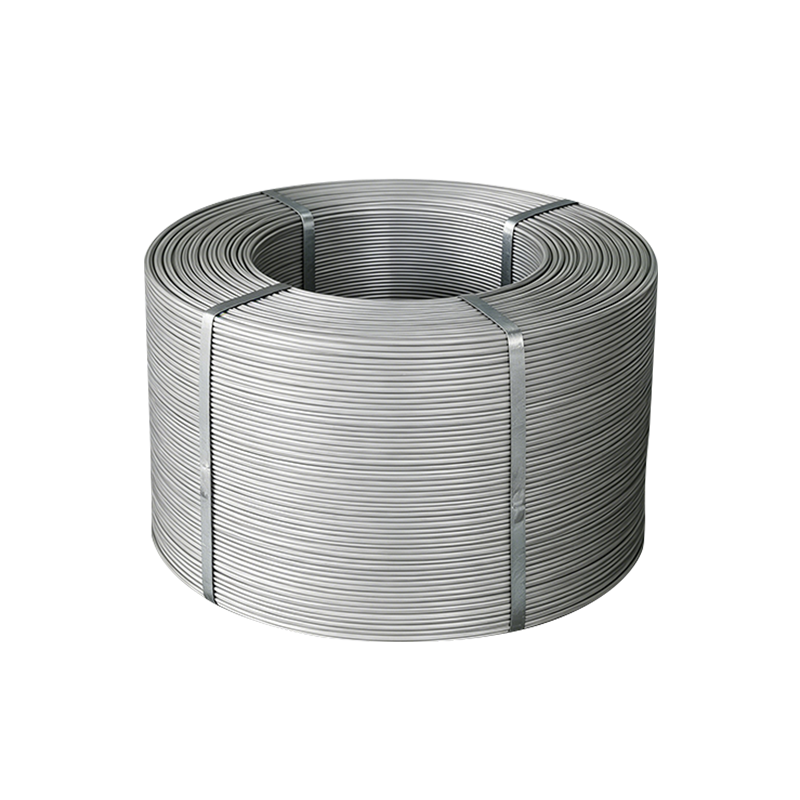
Packaging format should match the production environment. Spools may be suitable for manual or small-batch operations, while larger packaging may be preferred for automated lines requiring longer continuous welding time. Winding quality and payoff behavior are especially important when using automated systems.
Customers should also consider technical support and quality documentation. For production welding, qualification procedures may require material certificates, batch traceability, welding trials, and performance records. A professional supplier can support these requirements more effectively than a commodity seller with limited process control.
How MIG Wire Improves Total Welding Economics
The cost of welding wire is only one part of total welding cost. Labor, energy, shielding gas, equipment downtime, rework, inspection, scrap, and delivery delays often have a much larger financial impact. A low-price wire that causes unstable feeding or porosity can become expensive quickly. Conversely, a consistent wire can reduce hidden costs and improve production flow.
High-quality aluminum MIG wire contributes to total cost reduction by reducing stoppages, improving first-pass yield, lowering contact tip and liner problems, reducing rework, and supporting faster parameter optimization. In automated production, the cost of downtime can be especially high because one wire-related interruption may stop an entire cell or line. Reliable wire helps prevent these losses.
Consistent quality also reduces training burden. When operators use a predictable consumable, they can standardize procedures more easily. Welding engineers can develop parameter windows with confidence, and quality teams can identify process issues without constantly suspecting consumable variation. This creates a more stable production system.
Company Strengths Supporting Customer Confidence
Jiangsu Hetuo Aluminum Wire Co., Ltd. is guided by customer needs and committed to customer satisfaction. This customer-focused approach is important because welding consumables must meet real production requirements, not only catalog specifications. Customers may need help with product trials, packaging choices, technical questions, quality records, or shipment planning. A responsive supplier creates value beyond the physical wire.
The company’s intelligent manufacturing system provides a strong foundation for stable product quality. Advanced equipment, systematic inspection, and professional personnel help ensure that aluminum MIG wire is manufactured with attention to detail. The company’s experience in high-purity aluminum wire, high-strength aluminum alloy wire, and aluminum/aluminum alloy welding materials gives it a broad technical base in aluminum processing.
Its location in Guannan Economic Development Zone, Lianyungang, Jiangsu Province, China, supports industrial development and logistics coordination. As a manufacturer serving domestic and overseas markets, the company aims to provide lighter, stronger, and more sustainable aluminum alloy wire and welding material solutions for global industries.
For customers comparing suppliers, these strengths matter. A strong supplier should offer consistent product quality, scalable production, technical understanding, certified management systems, and long-term cooperation capability. These factors reduce purchasing risk and support stable manufacturing performance.
Practical Welding Tips for Using Aluminum MIG Wire
To achieve the best results with aluminum MIG wire, users should clean the base metal properly before welding. Aluminum oxide has a much higher melting point than aluminum itself, so mechanical brushing with a clean stainless-steel brush or suitable chemical cleaning may be necessary depending on the application. Oil, grease, moisture, and cutting fluids should be removed before welding.
Shielding gas quality and coverage are critical. Pure argon is commonly used for many aluminum MIG welding applications, while argon-helium mixtures may be used for thicker sections or higher heat input needs. Gas flow should be sufficient to protect the molten pool, but excessive flow may create turbulence and draw in air. Torch angle, nozzle condition, and workplace airflow should also be controlled.
Feeding equipment should be set up specifically for aluminum. U-groove drive rolls, proper liner selection, correct drive roll pressure, and appropriate contact tips can improve feeding. Excessive drive roll pressure can deform the wire, while insufficient pressure can cause slipping. Push-pull systems are often preferred for reliable feeding over longer distances.
Welding parameters should be optimized through trials. Voltage, wire feed speed, travel speed, stick-out, torch angle, and joint fit-up all influence weld quality. Because aluminum conducts heat quickly, preheating may be considered for thick sections, but overheating should be avoided. The goal is to achieve fusion and bead control without excessive distortion or burn-through.
Common Defects and How Quality Wire Helps Reduce Them
Porosity is one of the most common concerns in aluminum welding. It can result from moisture, contamination, inadequate shielding gas, dirty base metal, or poor wire surface condition. High-quality wire reduces one important source of contamination, but users must also maintain clean welding practices.
Burnback can occur when the wire melts back to the contact tip, often due to feeding problems, incorrect parameters, or unstable arc conditions. Consistent wire diameter and smooth feeding help reduce this risk. Proper equipment setup is also essential.
Bird-nesting refers to wire tangling or buckling near the drive rolls. Because aluminum is soft, this problem can occur if feeding resistance is too high or drive roll settings are wrong. Uniform wire, smooth surface, proper winding, and suitable feeding equipment help prevent it.
Lack of fusion can result from insufficient heat input, poor joint preparation, incorrect technique, or oxide contamination. While filler wire quality cannot solve all fusion issues, stable arc behavior helps operators maintain better pool control. Clean wire also reduces additional contamination in the weld zone.
Cracking may occur when filler selection, joint design, restraint, or welding parameters are unsuitable. Choosing the correct aluminum MIG wire for the base alloy is essential. A technically capable supplier can help customers review application requirements and reduce selection risk.
Sustainability and Aluminum Welding
Aluminum is widely recognized for its recyclability and contribution to lightweight design. In transportation, lighter aluminum structures can reduce energy consumption during operation. In industrial products, aluminum can provide long service life and corrosion resistance. Welding materials that support reliable aluminum fabrication therefore contribute indirectly to sustainable manufacturing.
High-quality MIG wire supports sustainability by reducing defects, scrap, and rework. Every rejected weld consumes material, energy, shielding gas, labor, and inspection resources. By improving first-pass yield, premium wire helps manufacturers use resources more efficiently. Clean production and quality control also reduce waste within the wire manufacturing process.
Jiangsu Hetuo Aluminum Wire Co., Ltd. aims to provide lighter, stronger, and more sustainable aluminum alloy wire and welding material solutions for global industries. This direction aligns with the broader market trend toward efficient materials, responsible production, and durable welded structures.
Frequently Asked Questions
What is aluminum MIG wire used for?
Aluminum MIG wire is used as a continuously fed electrode and filler metal in gas-shielded welding processes. It is mainly used for melting electrode argon arc welding of aluminum and aluminum alloy components in industries such as transportation, machinery, marine fabrication, electrical equipment, and general aluminum structure manufacturing.
Why is wire feeding performance so important for aluminum MIG welding?
Aluminum wire is softer than steel wire, so it is more sensitive to feeding resistance, surface defects, poor winding, and incorrect drive roll pressure. Good feeding performance reduces burnback, bird-nesting, arc instability, and production downtime.
How does surface cleanliness affect weld quality?
Surface cleanliness affects the amount of contamination introduced into the molten weld pool. Oil, moisture, dust, oxide, or drawing residue can increase the risk of porosity and unstable welding. Clean, well-controlled wire helps produce more reliable welds.
What makes high-quality MIG wire different from ordinary wire?
High-quality MIG wire typically offers tighter diameter control, cleaner surface condition, more consistent alloy composition, better winding, reliable packaging, and stronger quality traceability. These factors improve arc stability, feeding performance, weld appearance, and overall production efficiency.
Can the same aluminum MIG wire be used for all aluminum alloys?
No. Filler wire selection should be matched to the base metal, joint requirements, strength needs, corrosion environment, and welding procedure. Customers should consult relevant welding standards or technical specialists when selecting wire for critical applications.
Why are ISO 9001 and IATF 16949 certifications valuable for welding wire customers?
These certifications show that the manufacturer operates under structured quality management systems. They support process control, traceability, defect prevention, corrective action, and customer-focused improvement, which are important for consistent welding consumable performance.
How should aluminum MIG wire be stored?
It should be stored in a clean, dry environment and protected from moisture, dust, mechanical damage, and sudden temperature changes. The packaging should remain sealed until use whenever possible to reduce contamination risk.
For industrial users, premium wire can reduce total welding cost by lowering downtime, rework, scrap, contact tip problems, and quality variation. The value is especially clear in automated, robotic, or high-volume production environments.
Conclusion
Aluminum MIG wire is a critical welding material for manufacturers that demand stable arc performance, clean welds, efficient production, and reliable joint quality. Because aluminum welding is sensitive to contamination, feeding instability, and process variation, the quality of the wire has a direct impact on welding results. A superior MIG wire provides consistent chemistry, controlled diameter, clean surface condition, smooth feeding, proper winding, and dependable packaging.
Jiangsu Hetuo Aluminum Wire Co., Ltd. brings together advanced manufacturing equipment, intelligent production systems, strict quality inspection, professional technical personnel, and certified quality management. Its capabilities in high-purity aluminum wire, high-strength aluminum alloy wire, and aluminum/aluminum alloy welding materials support the production of reliable MIG Wire for industrial welding applications. With ISO 9001 and IATF 16949 certifications, a 40,000-square-meter factory, and export experience in high-end overseas markets, the company offers strong manufacturing and service advantages.
For customers, choosing the right aluminum MIG wire is not only a purchasing decision but also a production strategy. Reliable wire improves weld consistency, reduces hidden costs, supports automation, and helps create lighter, stronger, and more sustainable aluminum structures. In a competitive market, dependable MIG wire provides measurable value through quality, efficiency, and long-term manufacturing confidence.
References
American Welding Society. Welding Handbook, Volume 2: Welding Processes.
American Welding Society. Specification for Aluminum and Aluminum-Alloy Welding Electrodes and Rods.
ASM International. ASM Handbook, Volume 6: Welding, Brazing, and Soldering.
International Organization for Standardization. ISO 9001 Quality Management Systems Requirements.
International Automotive Task Force. IATF 16949 Automotive Quality Management System Standard.
The Aluminum Association. Aluminum Standards and Data.
Lincoln Electric. Aluminum MIG Welding Guide.
Miller Electric. Guidelines for Gas Metal Arc Welding of Aluminum.