

 English
 中文简体
中文简体 русский
 Deutsch
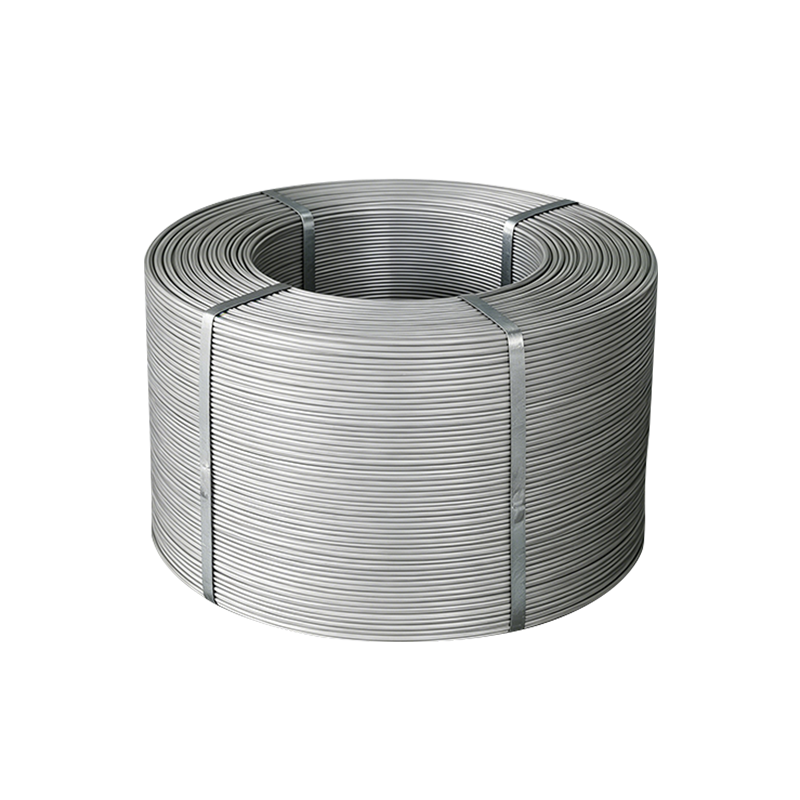
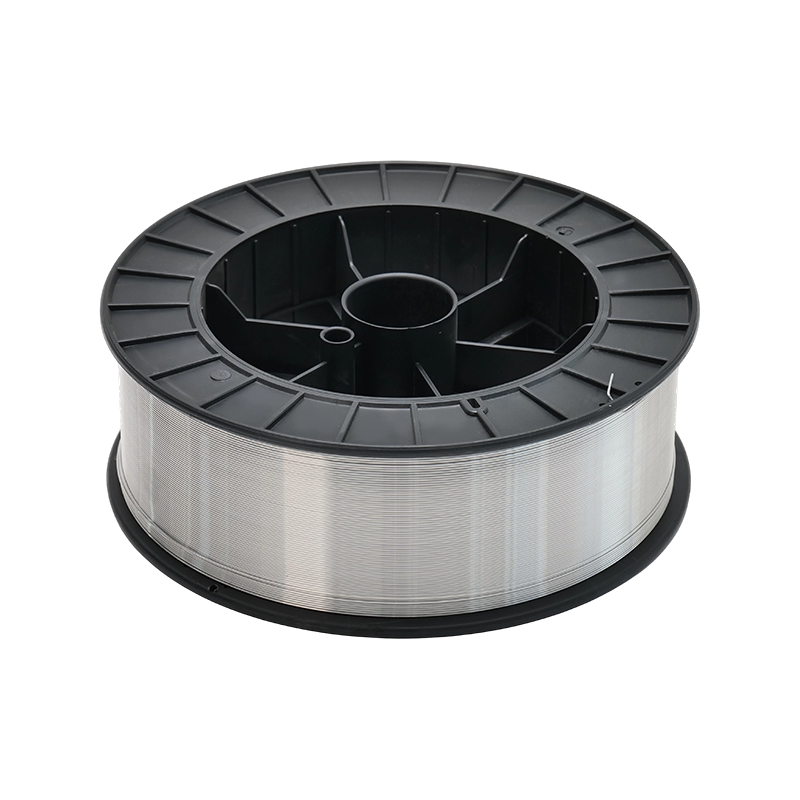
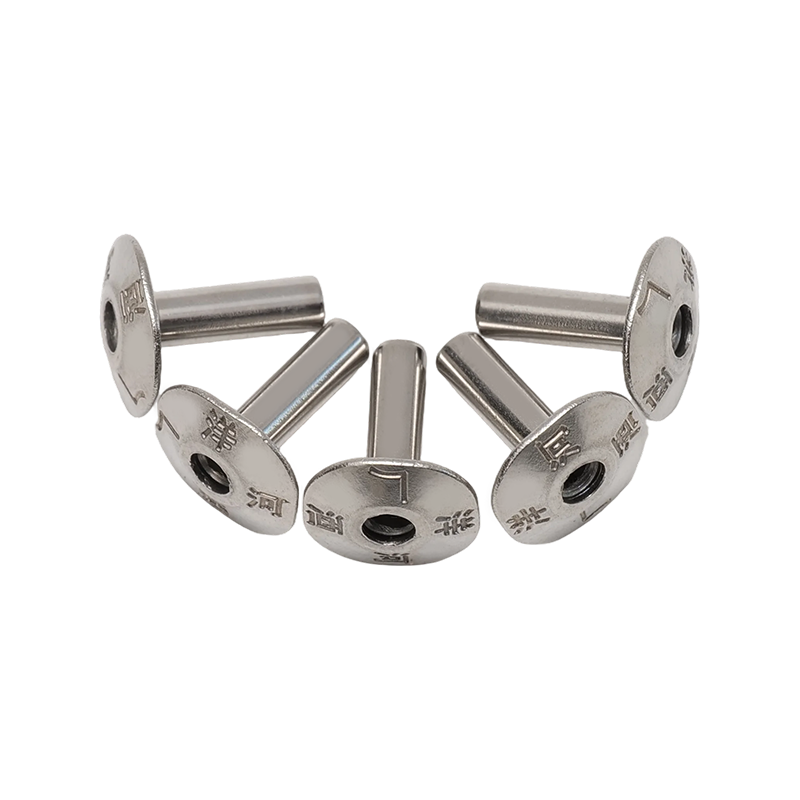
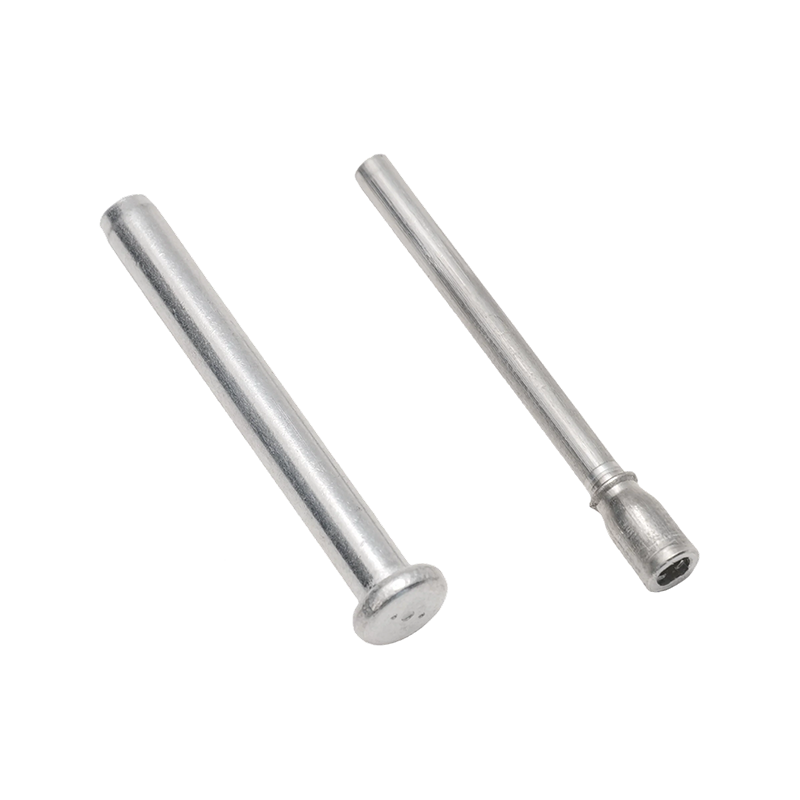
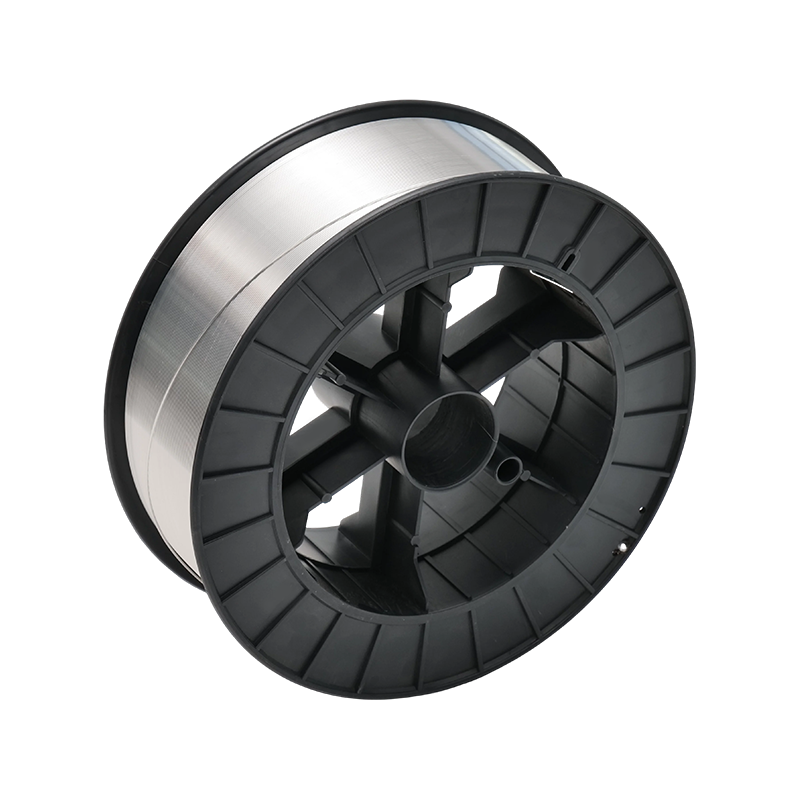
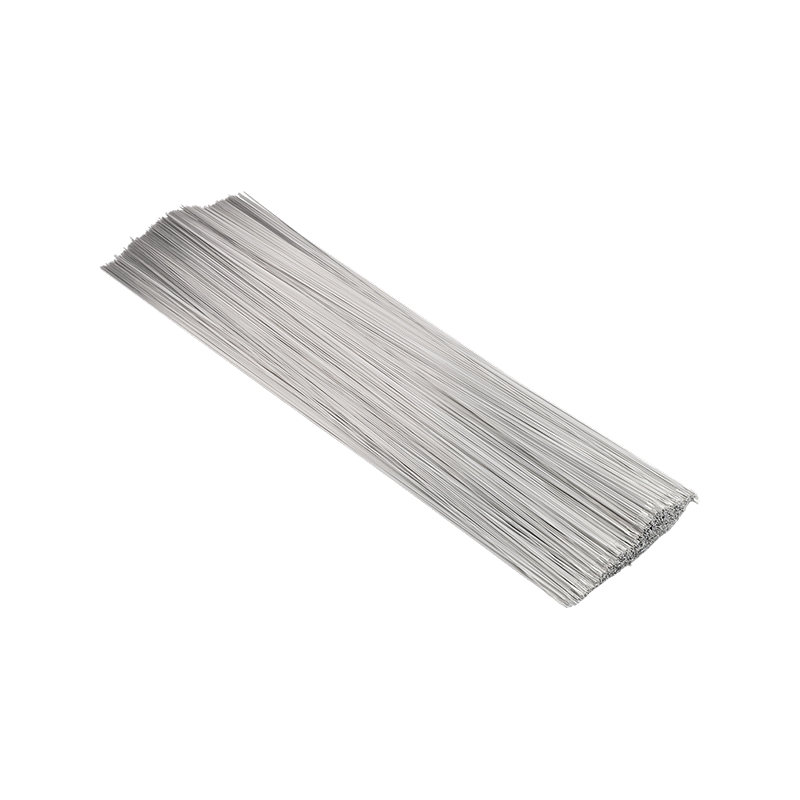
High-strength aluminum alloy wire for rivets is a specialized material engineered for fastening systems that must perform reliably under demanding mechanical, environmental, and manufacturing conditions. In aviation, aerospace, defense equipment, precision machinery, transportation, and high-performance structural assemblies, rivets are more than simple joining components. They are load-bearing elements that must combine strength, shear resistance, fatigue performance, corrosion behavior, dimensional consistency, and stable forming characteristics.
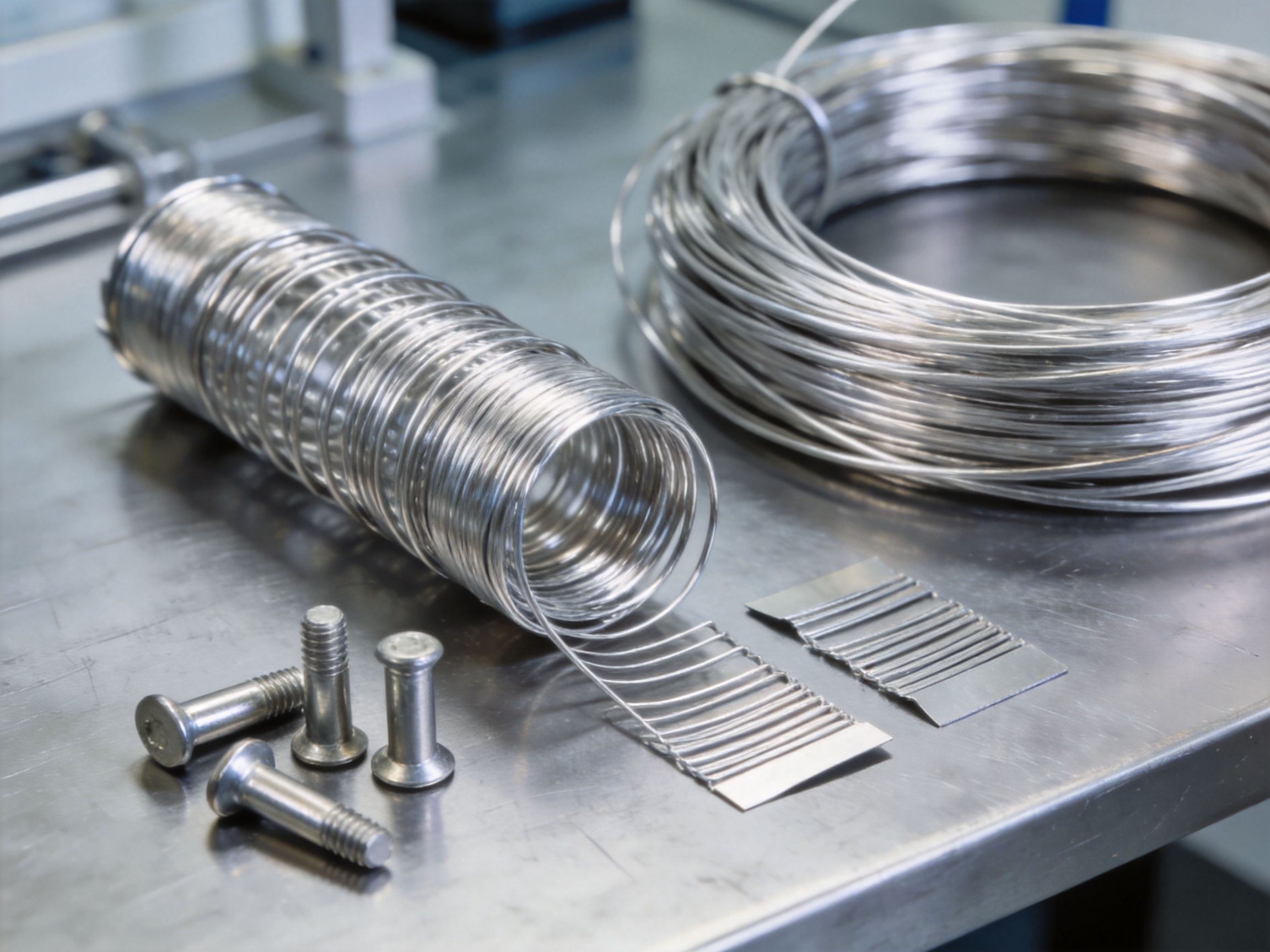
The product discussed here is high-strength aluminum alloy wire designed for aluminum rivets. It belongs to the high-strength aluminum alloy wire category and is mainly used in aviation, aerospace, and military-related fields. Its strengthening mechanism is associated with the CuAl2 phase, a key metallurgical feature of aluminum-copper alloy systems. With controlled copper content in the range of Cu: 3.9 to 4.5, the alloy is designed to achieve a balanced combination of mechanical strength, oxidation resistance, and shear resistance.
For manufacturers of rivets and users of fastening materials, the quality of the wire determines the quality of the final rivet. A rivet wire must be clean, uniform, stable, and predictable during drawing, cutting, heading, forming, heat treatment, and final assembly. If the wire has unstable chemistry, poor surface quality, nonuniform diameter, excessive inclusions, or inconsistent mechanical properties, the final rivets may suffer from cracking, weak shear performance, uneven deformation, or premature failure. For critical applications, such defects are unacceptable.
Jiangsu Hetuo Aluminum Wire Co., Ltd. focuses on high-purity aluminum wire, high-strength aluminum alloy wire, and aluminum and aluminum alloy welding materials. Established in 2019 and located in Guannan Economic Development Zone, Lianyungang City, Jiangsu Province, China, the company has developed an intelligent manufacturing system supported by advanced equipment, strict quality inspection, and quality management certifications including ISO 9001 and IATF 16949. These strengths support the consistent production of aluminum rivet wire for demanding industrial customers.
Content
- 1 Material Purpose and Application Background
- 2 Core Product Characteristics
- 3 Why CuAl2 Phase Strengthening Matters
- 4 Advantages over General Aluminum Wire and Lower-Grade Rivet Wire
- 5 Manufacturing Strengths Supporting Product Performance
- 6 Quality Management and Certification Advantages
- 7 Raw Material and Chemical Composition Control
- 8 Wire Drawing and Dimensional Precision
- 9 Surface Quality and Oxidation Resistance
- 10 Mechanical Performance and Shear Resistance
- 11 Applications in Aviation
- 12 Applications in Aerospace
- 13 Applications in Military and Defense Equipment
- 14 Customization and Customer-Oriented Production
- 15 Packaging, Handling, and Logistics Considerations
- 16 How the Product Supports Sustainable Lightweight Engineering
- 17 Competitive Advantages at a Glance
- 18 Selection Considerations for Buyers
- 19 Q&A Section
- 19.1 What is high-strength aluminum alloy wire for rivets?
- 19.2 What are the main application fields of this rivet wire?
- 19.3 Why is copper content important in this alloy?
- 19.4 What does CuAl2 phase strengthening mean?
- 19.5 How does this product differ from ordinary aluminum wire?
- 19.6 Why is surface quality important for rivet wire?
- 19.7 What manufacturing strengths support the product quality?
- 19.8 Can the wire be customized?
- 19.9 Why is shear resistance important for rivets?
- 19.10 Why should customers consider supplier quality certifications?
- 20 Conclusion
- 21 References
Material Purpose and Application Background
Rivets are among the oldest fastening technologies, yet they remain essential in modern high-performance structures. In aircraft frames, fuselage assemblies, wing components, military equipment, and aerospace structural systems, rivets provide permanent mechanical joining without requiring melting of the base material. This is especially valuable when thermal distortion, metallurgical changes, or weld-related defects must be avoided.
Aluminum alloy rivets are widely used because aluminum provides a favorable strength-to-weight ratio. In aviation and aerospace applications, every gram matters. A fastener must contribute to structural integrity without adding unnecessary mass. High-strength aluminum alloy wire for rivets is therefore designed to deliver mechanical performance while preserving the lightweight benefits of aluminum.
The specific rivet wire described in the provided product information is strengthened by the CuAl2 phase. In aluminum-copper alloys, copper can form strengthening precipitates that improve hardness and strength after suitable thermal processing. This makes the material suitable for rivets that must resist shear loads and maintain stable performance during service.
The product is especially relevant for fields where fastening reliability affects safety, mission success, and long-term maintenance costs. Aviation and aerospace structures are exposed to vibration, cyclic stress, changing temperatures, humidity, oxidation, and mechanical impact. Military equipment may face even harsher conditions, including shock, field maintenance challenges, and extended storage requirements. In these conditions, rivet material must provide both strength and consistency.
Core Product Characteristics
The high-strength aluminum alloy wire for rivets is defined by a focused set of characteristics: controlled aluminum-copper chemistry, CuAl2 phase strengthening, good oxidation resistance, strong shear resistance, and suitability for precision rivet manufacturing. These characteristics are interrelated and must be achieved through careful alloy design and process control.
The copper content range of Cu: 3.9 to 4.5 is important because copper is the principal strengthening element in this type of aluminum alloy system. Too little copper may reduce the potential for strengthening. Too much copper may increase processing difficulty, influence corrosion behavior, or create an imbalance in ductility and formability. Controlled chemistry helps ensure that the wire can be processed into rivets with predictable results.
Good oxidation resistance is valuable during storage, transportation, manufacturing, and service. Aluminum naturally forms an oxide film on the surface, but alloy composition, surface cleanliness, and processing quality influence the quality and stability of that surface. For rivet wire, surface condition is critical because defects or excessive oxidation can affect heading, forming, and final appearance.
Shear resistance is one of the most important performance indicators for rivets. Rivets frequently carry loads in shear, especially when they join overlapping sheets or structural panels. A rivet must resist deformation and fracture under forces acting parallel to the joined surfaces. High-strength aluminum alloy wire with suitable metallurgical strengthening helps produce rivets that withstand such loads more effectively.
| Product Attribute | Technical Meaning | Value for Rivet Manufacturers |
|---|---|---|
| Product Type | High-strength aluminum alloy wire for rivets | Designed for precision rivet production and structural fastening |
| Main Application Fields | Aviation, aerospace, military, and high-performance machinery | Suitable for demanding assemblies requiring reliability and low weight |
| Strengthening Feature | CuAl2 phase strengthening | Improves mechanical strength and shear resistance potential |
| Copper Content | Cu: 3.9 to 4.5 | Supports consistent alloy performance and controlled heat-treatment response |
| Key Advantages | Oxidation resistance, shear resistance, stable processing quality | Helps reduce cracking, forming defects, and inconsistent rivet performance |
| Company Manufacturing Support | Advanced equipment, quality inspection, ISO 9001 and IATF 16949 systems | Provides stable supply for customers requiring repeatable quality |
Why CuAl2 Phase Strengthening Matters
CuAl2 phase strengthening is a central feature of aluminum-copper alloy systems. In practical terms, strengthening phases help the aluminum matrix resist deformation. When properly controlled through composition and processing, these phases contribute to higher strength and hardness compared with pure aluminum or lower-strength aluminum alloys.
For rivet applications, this strengthening mechanism is valuable because rivets must be formable during production but strong during service. The material must survive drawing into wire, cutting into blanks, and forming into rivet shapes. At the same time, once installed, it must bear mechanical load. This creates a demanding balance between ductility and strength.
Competitor materials may fail to maintain this balance if they focus only on high strength or only on easy formability. A wire that is too soft may be easy to form but may not provide adequate shear strength. A wire that is too hard may crack during heading or installation. The advantage of a controlled aluminum-copper alloy wire lies in its ability to support a carefully engineered performance window.
The Cu: 3.9 to 4.5 range reflects a deliberate alloy design rather than a generic aluminum wire composition. This allows rivet producers to work with a material intended for structural fastening instead of adapting a general-purpose wire to a critical application. For customers, this means better process predictability, fewer trial adjustments, and improved consistency across production batches.
Advantages over General Aluminum Wire and Lower-Grade Rivet Wire
Not all aluminum wire is suitable for rivets, and not all rivet wire is suitable for aviation or defense-related applications. General aluminum wire may be designed for electrical conductivity, decorative use, tying, mesh production, or low-load forming. Such wire may not have the strength, chemical control, or mechanical stability needed for high-performance rivets.
High-strength aluminum alloy wire for rivets offers a more specialized solution. Compared with lower-grade or general-purpose products, it provides a stronger material foundation for rivets exposed to shear loads. Its copper-based strengthening system gives it a clear technical advantage where mechanical performance matters.
Another advantage is oxidation behavior. In low-quality wire, poor surface preparation, contamination, or inconsistent drawing lubrication may lead to surface defects and nonuniform oxidation. These issues can affect forming and cause defects on the final rivet surface. A more controlled manufacturing process helps produce cleaner, smoother wire surfaces that are easier to process and inspect.
Dimensional consistency is also important. Rivet manufacturers require wire that maintains diameter tolerance along the coil or spool. If wire diameter fluctuates, blank weight and rivet geometry may vary. This can lead to inconsistent head formation, poor fit, or quality rejection. Advanced wire drawing and inspection processes help control this risk.
Compared with competitors that rely on less integrated production systems, a manufacturer with advanced equipment, strict inspection, and certified quality systems can provide more dependable batch-to-batch repeatability. This is especially important for customers in aviation, aerospace, and defense supply chains, where documentation, traceability, and quality assurance are often as important as the material itself.
Manufacturing Strengths Supporting Product Performance
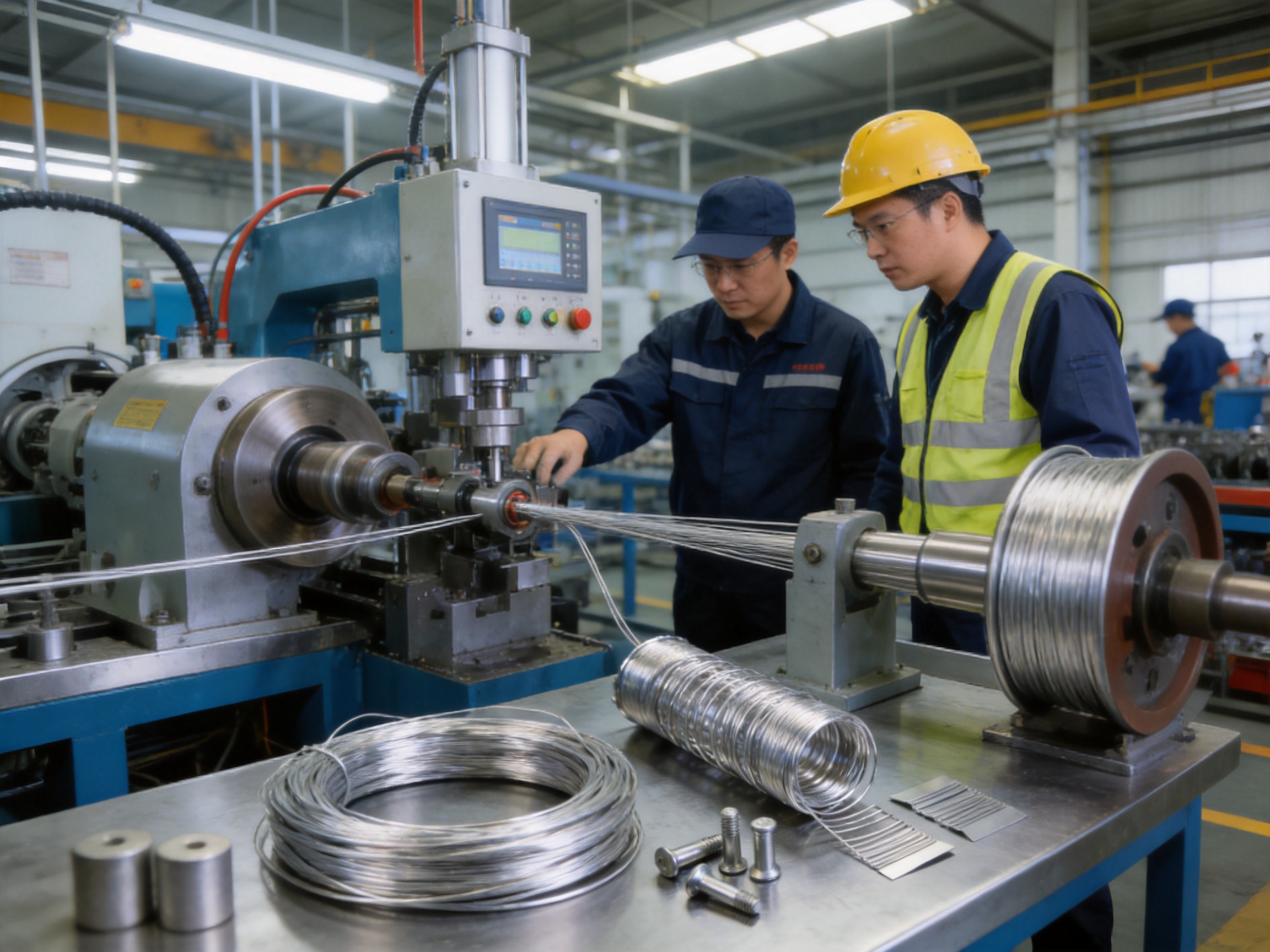
High-strength aluminum alloy wire is not created by chemical composition alone. The final performance depends on the full manufacturing route, including raw material selection, melting and alloying control, casting or rod preparation, homogenization, rolling or extrusion, drawing, intermediate heat treatment, surface control, final sizing, inspection, packaging, and traceability.
Jiangsu Hetuo Aluminum Wire Co., Ltd. has built an intelligent manufacturing system covering high-purity aluminum wire, high-strength aluminum alloy wire, and aluminum and aluminum alloy welding materials. This integrated capability is important because high-strength aluminum alloy wire requires both metallurgical knowledge and precision wire-processing expertise. The company’s production foundation allows it to serve customers needing customized aluminum wire and aluminum alloy wire solutions.
The factory covers 40,000 square meters and has 60 employees, including 30 professional managers and technicians. This combination of production scale and technical staffing supports stable manufacturing, process improvement, and quality response. For industrial customers, especially those purchasing wire for rivet production, stable supplier capability reduces supply risk and improves long-term cooperation.
Advanced equipment and facilities are essential for producing fine aluminum wire and high-strength alloy wire. Wire drawing equipment must maintain stable tension, precise die alignment, controlled lubrication, and consistent reduction schedules. Heat-treatment equipment must provide uniform temperature control so that metallurgical properties are repeatable. Inspection devices must verify chemical, dimensional, surface, and mechanical characteristics before shipment.
The company strictly implements quality inspection throughout production. This is a significant advantage because defects are easier to prevent than to correct after the wire has been processed into rivets. In-process inspection can identify deviations early, helping avoid large batches of nonconforming material. For customers, this means fewer production interruptions and more confidence in incoming material quality.
Quality Management and Certification Advantages
Quality certifications do not replace technical capability, but they provide a structured framework for maintaining and improving that capability. Jiangsu Hetuo Aluminum Wire Co., Ltd. has obtained ISO 9001 and IATF 16949 quality management system certifications. These certifications are especially relevant for industrial and automotive-related supply chains and demonstrate a commitment to documented processes, continual improvement, defect prevention, and customer satisfaction.
ISO 9001 provides a foundation for systematic quality management. It emphasizes process control, customer focus, leadership, risk-based thinking, performance evaluation, and continual improvement. For aluminum alloy wire production, this can translate into controlled procedures for raw material acceptance, production planning, inspection, corrective action, calibration, and customer feedback.
IATF 16949 is associated with automotive quality management and is known for its focus on defect prevention, variation reduction, traceability, and supply chain discipline. Although rivet wire for aerospace and defense may involve different standards depending on the customer, the presence of IATF 16949 certification indicates that the manufacturer understands demanding industrial quality systems.
For customers comparing suppliers, quality management strength is a practical differentiator. A competitor may offer a similar alloy name or nominal chemical range, but if the production system lacks strong process control, the customer may experience inconsistent results. Certified systems help reduce this risk by requiring regular monitoring, documentation, and improvement actions.
In high-performance fastening materials, traceability is not simply administrative. If a customer needs to investigate a forming issue, verify batch chemistry, or review mechanical test results, the supplier must be able to provide reliable records. A strong quality system supports this requirement and improves communication between supplier and customer.
Raw Material and Chemical Composition Control
For high-strength aluminum alloy wire, chemical composition control is the starting point of quality. The copper content specified for this rivet wire is Cu: 3.9 to 4.5. This range must be controlled carefully because copper distribution affects strengthening response, mechanical properties, and processing behavior.
Composition control begins with raw material selection and continues through melting, alloying, sampling, analysis, and batch release. In aluminum alloys, impurities such as iron, silicon, and other elements can influence ductility, surface quality, and fracture behavior. While the provided product data highlights copper, a responsible manufacturer also monitors the broader composition to ensure the alloy remains suitable for high-performance use.
Uniformity is as important as nominal content. Even if the average copper content falls within the desired range, segregation or uneven distribution can create local variations in strength and formability. Proper melting, refining, casting, and homogenization practices help improve chemical and microstructural uniformity.
Compared with suppliers that rely on less controlled raw material sources or less precise alloying methods, a manufacturer with strict chemical inspection can offer more stable performance. This is especially important for rivet wire because the downstream process may involve high-speed cold forming. Local hard spots, inclusions, or inconsistent microstructure can lead to cracking or tool wear.
For customers, chemical stability reduces the need for frequent process adjustments. If each batch behaves similarly during drawing, cutting, and heading, the customer can maintain efficient production. This reduces scrap, labor cost, and quality risk.
Wire Drawing and Dimensional Precision
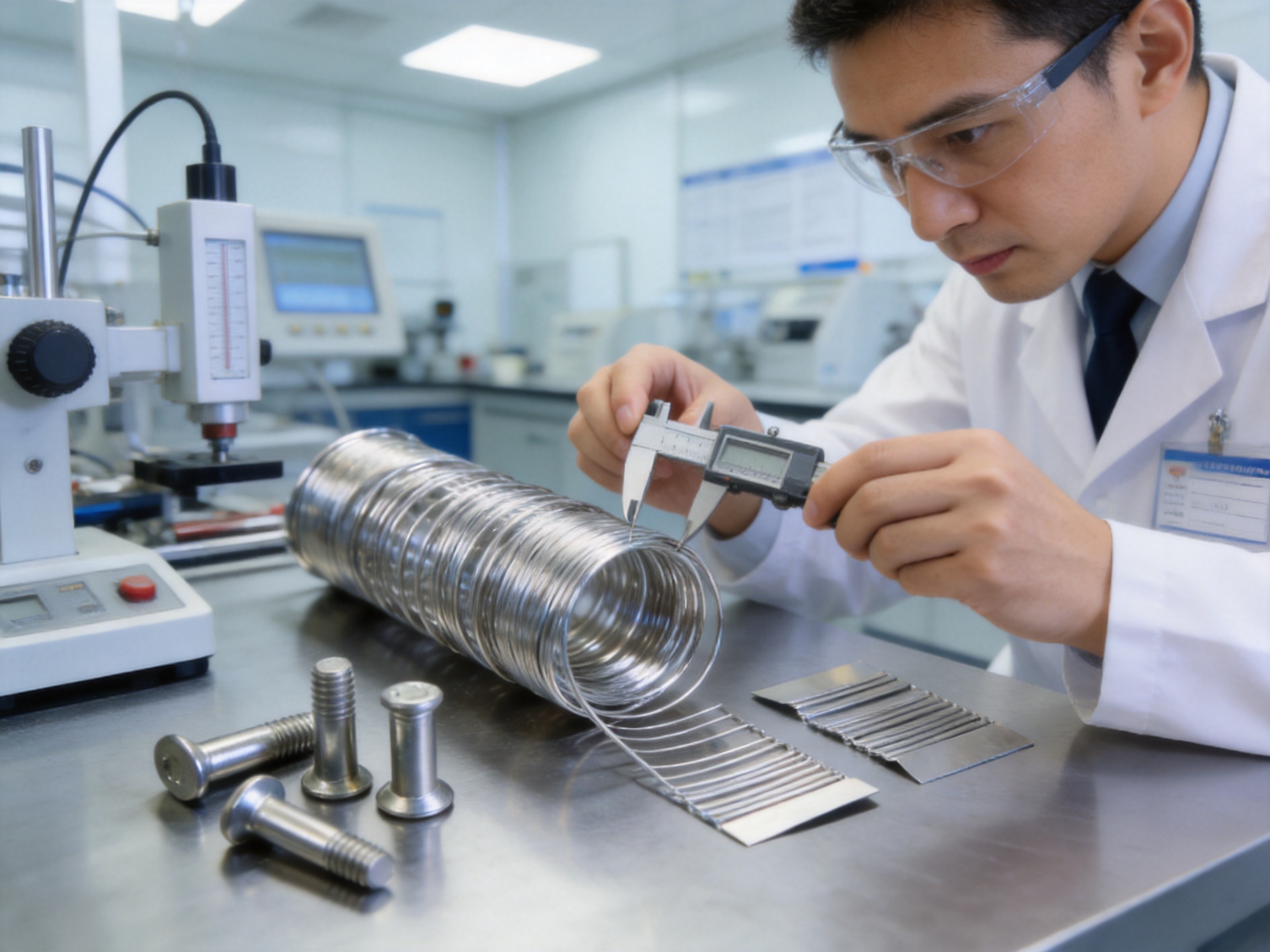
Wire drawing is a key process in transforming aluminum alloy rod into rivet wire. During drawing, the material is pulled through a series of dies to reduce diameter and improve dimensional accuracy. The process affects not only size but also surface condition, strain hardening, internal stress, and mechanical properties.
For rivet manufacturers, dimensional precision directly influences blank volume. A small variation in wire diameter can cause a meaningful variation in the amount of material used for each rivet. This affects head size, shank length, installation behavior, and final joint quality. Therefore, controlled wire drawing is essential.
High-strength aluminum alloy wire presents more processing challenges than pure aluminum wire. The alloy must be drawn without excessive cracking, surface tearing, or internal damage. This requires proper die design, lubrication, reduction ratio planning, and intermediate annealing or heat treatment when necessary.
Advanced drawing equipment helps maintain stable wire path, tension, speed, and die engagement. Stable equipment reduces vibration and surface defects. It also supports long production runs with consistent diameter. For customers purchasing wire for rivets, this means fewer interruptions and more reliable forming results.
Compared with competitors using older or less controlled drawing systems, a manufacturer with modern production facilities can better manage tolerance, surface finish, and coil quality. These factors may appear secondary, but in rivet manufacturing they strongly influence productivity and defect rates.
Surface Quality and Oxidation Resistance
Surface quality is one of the most visible and functional aspects of rivet wire. A wire may have good chemistry and strength, but if its surface is scratched, contaminated, oxidized unevenly, or damaged during drawing, it may fail during forming or produce rivets with unacceptable appearance.
The product’s good oxidation resistance helps maintain performance in storage and service. However, oxidation resistance is not only a property of the alloy. It is also influenced by surface cleanliness, handling, packaging, and environmental protection. A controlled manufacturing process helps preserve the surface from production to delivery.
Rivet production often involves cold heading or forming. During these operations, the wire surface experiences high contact pressure with tooling. Surface defects can act as crack initiation sites. Smooth, clean wire reduces this risk and improves tool life. Consistent surface condition also helps maintain stable friction during forming.
In aviation and aerospace components, surface-related defects are taken seriously because small imperfections can become stress concentration points. High-quality aluminum rivet wire should therefore be inspected for scratches, folds, pits, oxide spots, and other visible flaws.
Compared with lower-quality competitors, a supplier that emphasizes surface control can provide measurable downstream benefits. Customers may experience fewer cracked rivets, fewer cosmetic rejections, less tool contamination, and improved production efficiency.
Mechanical Performance and Shear Resistance
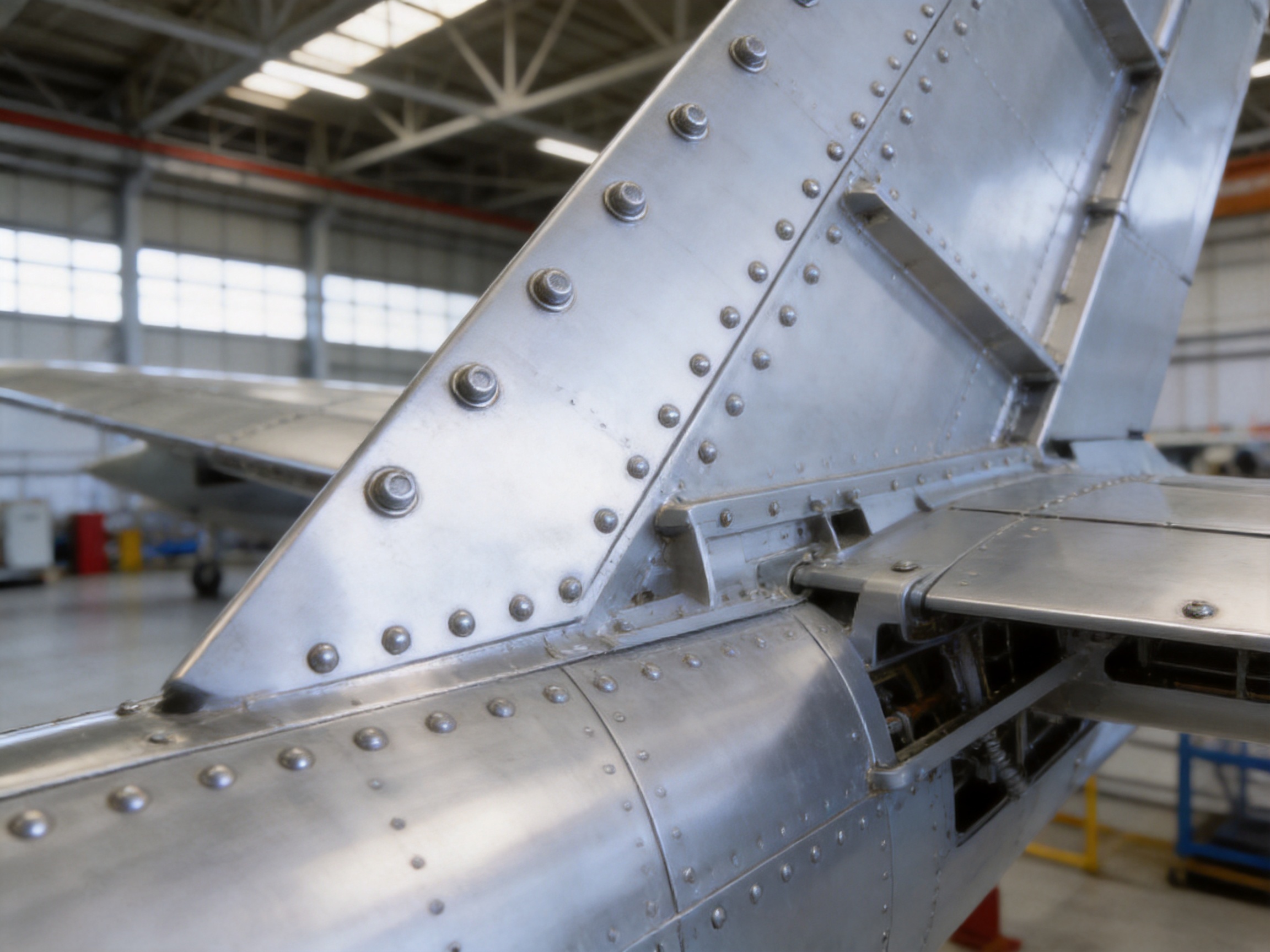
Shear resistance is a central reason to use high-strength aluminum alloy wire for rivets. In many lap joints and structural assemblies, the rivet carries load across the interface of joined materials. The force tries to slide the materials relative to each other, placing the rivet in shear.
A rivet made from inadequate material may deform excessively, loosen, or fracture. In critical structures, such failure can compromise the entire assembly. Therefore, the wire used to produce the rivet must provide a reliable mechanical foundation.
The CuAl2 phase strengthening mechanism contributes to shear performance by increasing resistance to plastic deformation. When properly processed, aluminum-copper alloy wire can offer significantly higher strength than pure aluminum wire while retaining the lightweight benefits of aluminum.
However, shear resistance must be balanced with formability. Rivets are often formed before installation and may also deform during installation. If the wire is too brittle or has poor ductility, the rivet may crack. This is why process control, microstructure management, and heat-treatment knowledge are essential.
Customers should evaluate not only nominal strength values but also consistency across batches. A material with slightly lower but highly consistent performance may be preferable to a material with high average strength but large variation. Consistency allows rivet manufacturers to set stable process parameters and meet customer requirements more reliably.
Applications in Aviation
Aviation is one of the most important application fields for high-strength aluminum alloy rivet wire. Aircraft structures require fasteners that are lightweight, reliable, and compatible with aluminum sheet and profile materials. Rivets are used in fuselage skins, frames, ribs, panels, internal structures, and various assemblies.
The aviation industry values aluminum rivets because they help reduce total aircraft weight while maintaining structural integrity. A lighter aircraft consumes less fuel, carries more payload, and can improve operating efficiency. Therefore, material selection for even small components such as rivets contributes to overall performance.
In aviation production, quality consistency is mandatory. Rivet wire must support stable forming so that rivets meet dimensional and mechanical requirements. Poor wire quality can create manufacturing delays, inspection failures, and increased cost.
High-strength aluminum alloy wire with controlled copper content is suitable for rivet applications where improved shear resistance is required. Its oxidation resistance also supports better storage and handling, which matters in large production environments where materials may be stored before use.
Compared with ordinary aluminum rivet wire, this product offers a stronger technical foundation for aviation-related fastening. Its composition and strengthening system are aligned with structural performance rather than simple formability.
Applications in Aerospace
Aerospace applications often impose even more demanding requirements than conventional industrial uses. Components may experience vibration, launch loads, thermal cycling, vacuum-related conditions, and strict reliability expectations. Fasteners used in aerospace structures must therefore be produced from materials with excellent consistency.
High-strength aluminum alloy rivet wire can support aerospace assemblies where lightweight mechanical fastening is needed. The combination of low density, controlled alloy strengthening, and shear resistance is valuable for satellites, launch-related structures, aerospace panels, and precision equipment housings.
In aerospace manufacturing, traceability and documentation are often required. Customers may need records of material origin, chemical composition, heat treatment, inspection results, and batch identification. A manufacturer with ISO 9001 and IATF 16949 quality systems is better positioned to support such documentation requirements than suppliers without structured quality management.
Another aerospace concern is repeatability. Aerospace production runs may be smaller than mass automotive production, but the tolerance for failure is extremely low. A supplier capable of customized production and strict inspection can help customers obtain wire that matches specific forming and performance needs.
Compared with low-cost commodity wire, high-strength aluminum alloy rivet wire provides a more reliable solution for aerospace customers seeking predictable material behavior and technical support.
Applications in Military and Defense Equipment
Military and defense applications require materials that can withstand demanding conditions and uncertain operating environments. Equipment may be exposed to vibration, impact, moisture, temperature variation, and long storage periods. Fasteners used in such equipment must remain reliable over time.
High-strength aluminum alloy rivets are useful where weight reduction and mechanical performance are both important. Defense vehicles, aerospace defense systems, communication equipment, field structures, and precision assemblies may benefit from lightweight fastening materials.
The product’s shear resistance is particularly relevant in equipment exposed to dynamic loads. Its oxidation resistance helps improve storage stability and service durability. Controlled chemistry supports consistent performance, which is necessary for defense procurement and manufacturing systems.
For defense-related supply chains, supplier reliability matters. Customers need stable production capacity, quality records, and responsive communication. Jiangsu Hetuo Aluminum Wire Co., Ltd. offers advantages through its manufacturing scale, technical team, inspection system, and quality certifications.
Compared with competitors that focus only on basic aluminum wire production, a company specializing in high-strength aluminum alloy wire and welding materials can better understand the performance needs of demanding industrial and defense-related applications.
Customization and Customer-Oriented Production
Rivet manufacturers may require different wire diameters, coil weights, surface conditions, mechanical states, packaging formats, and inspection documents. A customer-oriented manufacturer must be able to discuss these requirements and provide suitable solutions.
Jiangsu Hetuo Aluminum Wire Co., Ltd. is guided by customer needs and committed to customer satisfaction. This orientation is important because rivet wire is not always a one-size-fits-all product. Different customers may use different heading machines, cutting methods, heat-treatment processes, and installation standards. Wire must be compatible with the customer’s actual process.
Customization may include diameter control, delivery state adjustment, packaging design, and technical communication regarding forming performance. For high-strength aluminum alloy wire, customization should be supported by metallurgical understanding rather than simple dimensional changes.
Customers benefit when a supplier can provide both production capability and technical dialogue. If a forming issue occurs, the supplier can help analyze whether it relates to wire hardness, surface condition, lubrication, diameter tolerance, or customer process settings. This collaborative approach reduces problem-solving time.
Compared with commodity suppliers that sell standard wire without technical support, a specialized aluminum alloy wire manufacturer can create greater value by helping customers improve productivity, reduce scrap, and stabilize final rivet quality.
Packaging, Handling, and Logistics Considerations
Even high-quality wire can be damaged if packaging and handling are inadequate. Rivet wire should be protected from moisture, mechanical impact, surface abrasion, contamination, and coil deformation. Packaging must keep the wire clean and organized for efficient use at the customer’s facility.
For high-strength aluminum alloy wire, surface protection is especially important. Scratches or dents caused during transportation can become forming defects. Proper coil winding, wrapping, labeling, and shipping protection help preserve material quality.
Batch identification is another important packaging feature. Customers should be able to trace each coil or package to production records and inspection results. This supports quality management and simplifies material control in the customer’s warehouse.
A supplier serving high-end overseas markets must understand international logistics requirements. Export packaging, documentation, product labeling, and shipment planning all contribute to customer satisfaction. Jiangsu Hetuo Aluminum Wire Co., Ltd. exports products to many high-end overseas markets, demonstrating experience with global customer needs.
Compared with suppliers that treat packaging as an afterthought, a manufacturer focused on high-quality aluminum alloy wire recognizes that delivery condition is part of product quality.
How the Product Supports Sustainable Lightweight Engineering
Modern industry increasingly seeks lighter, stronger, and more sustainable materials. Aluminum alloy wire for rivets supports this trend by enabling lightweight mechanical fastening. In transportation and aerospace, reducing weight can lower fuel consumption, improve energy efficiency, and reduce emissions during operation.
High-strength aluminum alloy rivets allow designers to use aluminum fastening solutions in applications requiring better shear performance than pure aluminum rivets can provide. This helps preserve the lightweight advantages of aluminum while improving structural capability.
Sustainability is not only about material density. It also includes manufacturing efficiency, reduced scrap, longer service life, and reliable quality. If high-quality wire reduces defective rivets and production waste, it contributes to more efficient resource use.
Jiangsu Hetuo Aluminum Wire Co., Ltd. aims to provide lighter, stronger, and more sustainable aluminum alloy wire and welding material solutions for global industries. This mission aligns with the needs of customers seeking advanced materials for modern engineering.
Compared with lower-grade wire that may cause high scrap rates or inconsistent product performance, a controlled high-strength aluminum alloy wire can improve the overall sustainability of the manufacturing chain.
Competitive Advantages at a Glance
The product’s competitive value comes from the combination of material design, manufacturing capability, quality systems, and application focus. Many suppliers can provide aluminum wire, but fewer can provide high-strength aluminum alloy wire specifically positioned for demanding rivet applications.
First, the alloy is designed around a meaningful strengthening mechanism. CuAl2 phase strengthening supports the mechanical performance needed for shear-resistant rivets. This differentiates it from general aluminum wire or low-strength alternatives.
Second, the copper content range of Cu: 3.9 to 4.5 provides a defined chemical foundation. Controlled composition helps customers achieve repeatable results. This is particularly valuable in high-speed rivet production and critical assembly applications.
Third, the company’s manufacturing system supports product reliability. Advanced equipment, intelligent manufacturing, strict inspection, and experienced technical personnel help control the factors that determine final wire quality.
Fourth, the company’s ISO 9001 and IATF 16949 certifications demonstrate quality management discipline. For customers in demanding supply chains, this reduces supplier qualification concerns and supports long-term cooperation.
Fifth, the company’s product portfolio includes high-purity aluminum wire, high-strength aluminum alloy wire, and aluminum and aluminum alloy welding materials. This broad expertise in aluminum materials strengthens its ability to serve customers across multiple applications.
Selection Considerations for Buyers
When selecting aluminum rivet wire, buyers should evaluate more than price. The lowest-cost wire may become expensive if it causes forming defects, tool wear, rejected rivets, production downtime, or customer complaints. A better purchasing decision considers total value.
Important evaluation points include chemical composition, diameter tolerance, surface quality, mechanical properties, coil condition, inspection records, supplier certifications, production capacity, customization ability, and technical support. Buyers should also consider whether the wire is intended for ordinary rivets or high-performance structural rivets.
For aviation, aerospace, and defense-related applications, buyers should pay special attention to traceability and consistency. A supplier should be able to provide reliable batch information and respond to technical questions. Quality management certifications are helpful indicators of supplier discipline.
The high-strength aluminum alloy wire described here is suitable for customers who need stronger, more reliable rivet material than ordinary aluminum wire can provide. Its CuAl2 phase strengthening, copper control, oxidation resistance, and shear resistance make it a strong candidate for critical fastening applications.
Buyers should communicate their specific requirements clearly, including diameter, tolerance, delivery state, packaging, application field, downstream forming process, and expected inspection requirements. This allows the supplier to recommend the most suitable production and delivery solution.
Q&A Section
What is high-strength aluminum alloy wire for rivets?
High-strength aluminum alloy wire for rivets is an aluminum-based wire material engineered for producing rivets that require improved mechanical performance. It is used to manufacture fasteners for applications where strength, shear resistance, oxidation resistance, and stable forming behavior are important.
What are the main application fields of this rivet wire?
The product is mainly used in aviation, aerospace, and military-related fields. It may also be suitable for other high-performance structural applications where lightweight fastening and reliable shear performance are required.
Why is copper content important in this alloy?
Copper is a key strengthening element in this aluminum alloy system. The specified copper range of Cu: 3.9 to 4.5 supports CuAl2 phase strengthening, which helps improve strength and shear resistance. Controlled copper content also supports consistent processing and performance.
What does CuAl2 phase strengthening mean?
CuAl2 phase strengthening refers to the strengthening effect associated with aluminum-copper phases in the alloy microstructure. These phases help the aluminum matrix resist deformation, making the material stronger than general-purpose aluminum wire when properly processed.
How does this product differ from ordinary aluminum wire?
Ordinary aluminum wire may be designed for general forming, electrical, or low-load applications. High-strength aluminum alloy wire for rivets is specifically designed for structural fastening performance. It offers better shear resistance, controlled chemistry, and more suitable mechanical characteristics for rivet production.
Why is surface quality important for rivet wire?
Surface defects can cause cracking, poor forming, tool wear, and cosmetic rejection during rivet manufacturing. Clean and smooth wire supports stable heading, cutting, and forming. It also helps improve final rivet quality.
What manufacturing strengths support the product quality?
The manufacturer uses advanced equipment, intelligent manufacturing systems, strict production inspection, and experienced technical personnel. Its quality systems include ISO 9001 and IATF 16949 certifications, supporting stable production and consistent quality management.
Can the wire be customized?
Yes, rivet wire requirements may vary by customer. Customization may involve diameter, tolerance, coil format, delivery condition, packaging, and inspection documentation. Customers should provide their processing and application requirements for proper technical coordination.
Why is shear resistance important for rivets?
Rivets often carry loads that act parallel to the joined surfaces. This places the rivet in shear. High shear resistance helps the rivet maintain joint integrity and resist deformation or fracture under load.
Why should customers consider supplier quality certifications?
Quality certifications indicate that the supplier follows structured management systems for process control, inspection, traceability, corrective action, and continual improvement. This is especially important for demanding industrial, aviation, aerospace, and defense-related supply chains.
Conclusion
High-strength aluminum alloy wire for rivets is a critical material for customers who need reliable fastening performance in lightweight structures. With CuAl2 phase strengthening, controlled copper content of Cu: 3.9 to 4.5, good oxidation resistance, and strong shear resistance, the product offers a technical advantage over ordinary aluminum wire and lower-grade rivet materials.
Its value is most apparent in aviation, aerospace, military, and other high-performance applications where rivets must deliver consistent mechanical behavior. The wire must not only meet chemical expectations but also provide dimensional precision, surface quality, forming stability, and traceable manufacturing quality.
Jiangsu Hetuo Aluminum Wire Co., Ltd. supports this product with advanced manufacturing capability, a 40,000-square-meter factory, professional management and technical personnel, strict inspection throughout production, and ISO 9001 and IATF 16949 quality management system certifications. The company’s focus on high-purity aluminum wire, high-strength aluminum alloy wire, and aluminum and aluminum alloy welding materials provides a strong technical foundation for serving global customers.
For rivet manufacturers and industrial buyers, choosing the right wire supplier can improve production efficiency, reduce defect risk, and enhance final rivet reliability. This high-strength aluminum alloy wire for rivets provides a balanced solution for customers seeking lightweight, strong, and dependable fastening materials.
References
1. Davis, J. R. Aluminum and Aluminum Alloys. ASM International.
2. Hatch, J. E. Aluminum: Properties and Physical Metallurgy. American Society for Metals.
3. Kaufman, J. G. Introduction to Aluminum Alloys and Tempers. ASM International.
4. Totten, G. E., and MacKenzie, D. S. Handbook of Aluminum: Physical Metallurgy and Processes. CRC Press.
5. International Organization for Standardization. ISO 9001 Quality Management Systems Requirements.
6. International Automotive Task Force. IATF 16949 Automotive Quality Management System Standard.
7. Polmear, I., StJohn, D., Nie, J. F., and Qian, M. Light Alloys: Metallurgy of the Light Metals. Butterworth-Heinemann.